
What is International Residential Code?
International Residential Code is a model building code published by the International Code Council for one- and two-family dwellings and townhouses. The code sets minimum requirements for structural design, fire safety, plumbing, mechanical systems, energy use, and other residential construction features. Local governments adopt, amend, and enforce the code.
Quick Facts About International Residential Code
Category
Residential building code
Used for
One- and two-family homes and townhouses
Common confusion
A model code is not automatically local law
Also called
IRC, International Residential Building Code
Often discussed with
Gutter Installation, Gutter Inspection
Key Takeaways About International Residential Code
- The IRC is a model code. Not binding law in every community.
- Local governments may adopt the IRC with amendments that change residential requirements.
- The code covers structural, fire, plumbing, mechanical, electrical, and energy provisions.
- Permits and inspections help verify that covered work follows the locally adopted code.
- Gutter work may involve roof drainage, discharge, exterior wall, and foundation protection requirements.
Understanding International Residential Code

International Residential Code, often called the IRC, is a model code from the International Code Council. It gives jurisdictions common minimum rules for designing and building homes. These homes include detached one- and two-family homes and townhouses. The code covers foundations, framing, fire protection, plumbing, mechanical systems, energy conservation, and residential safety.
The IRC doesn't carry legal force everywhere because the International Code Council publishes it. A city, county, or state must adopt the code through its legal process. That authority may also add local amendments or choose a particular edition. It may enforce related codes for electrical work, zoning, stormwater, or historic properties.
How International Residential Code Works, Is Measured, or Is Used?
Building officials use the locally adopted IRC during plan review, permitting, inspections, and enforcement. A contractor or property owner first identifies the project scope. They then check the applicable edition and local amendments. Inspectors compare visible work with rules for roof drainage, flashing, structural support, water control, and other systems.
The IRC uses measurable requirements instead of one pass or fail rating. Examples include dimensions, material specifications, fastening patterns, clearances, slopes, load limits, and installation methods. For a roof drainage project, the reviewer may examine gutter attachment, outlet placement, and downspout discharge. They may also check protection against water entering the building or damaging the foundation.
Code compliance depends on the work and the jurisdiction. A minor repair may follow different rules from new construction. A replacement can trigger requirements for current materials or attachment methods. Product instructions, approved construction documents, permits, and inspection records can help show proper installation. They can show that the work matches the adopted requirements.
Why International Residential Code Matters?
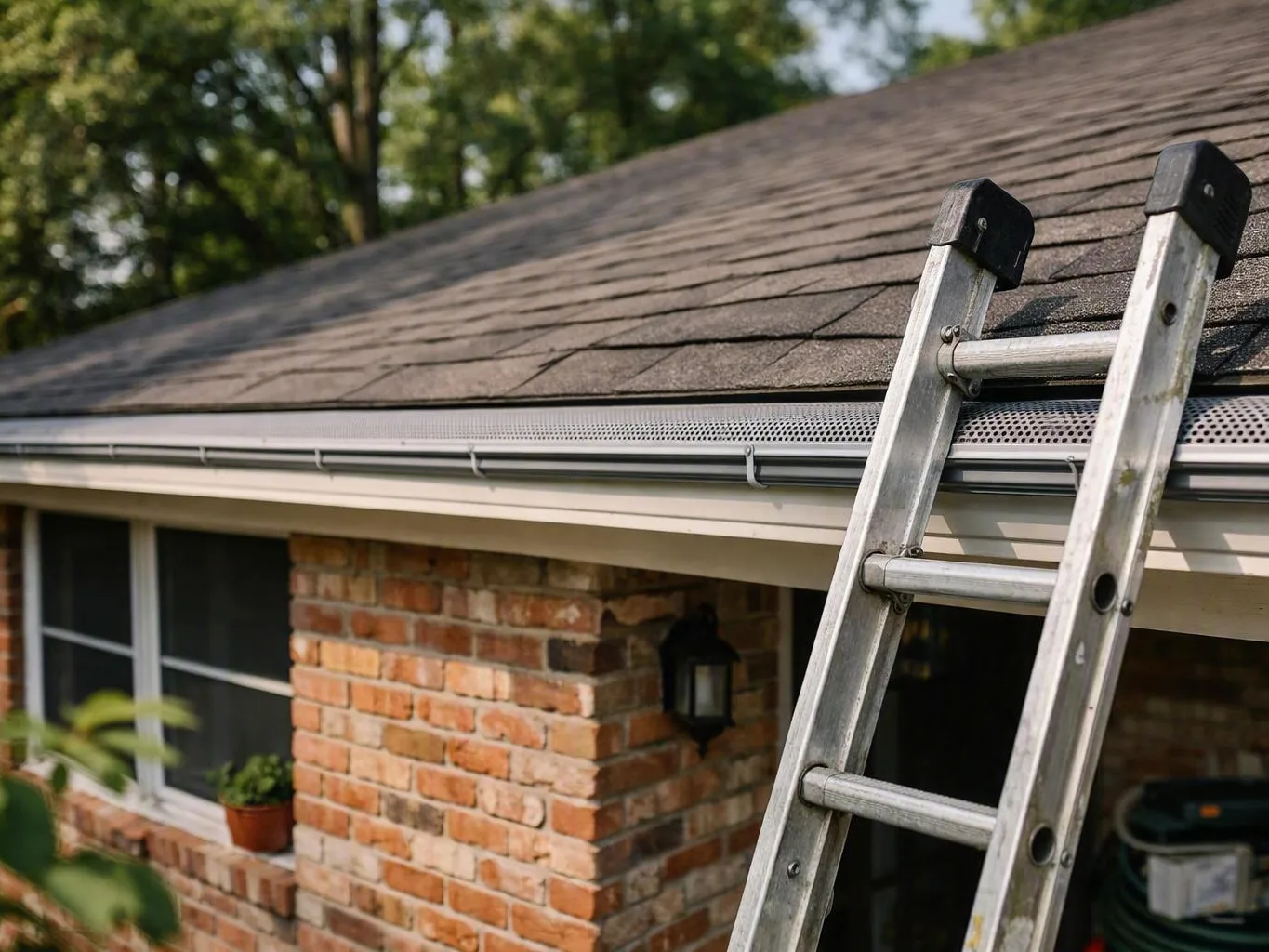
The IRC creates a consistent safety baseline for residential construction. Its requirements help reduce risks from structural failure, fire spread, unsafe mechanical systems, and uncontrolled water movement. The code also gives building officials and project teams a shared reference. They use it when reviewing plans or resolving installation questions.
Compliance doesn't guarantee that a building will never experience a defect. Poor workmanship, deferred maintenance, unusual site conditions, or local amendments can still affect speed. The code also represents minimum requirements. A designer may specify stronger materials or better drainage when conditions justify that choice. These conditions include roof size, soil, or rainfall patterns.
When International Residential Code Matters Most?
The IRC becomes especially relevant during new construction, additions, major repairs, and reroofing. It also applies to changes that affect water control or structural components. It matters when a permit's required or when an inspector asks for documentation. In Memphis, the locally adopted requirements control the final compliance decision. Municipal amendments also control that decision.
Before work begins, review four details, the code edition, permit status, project classification, and drainage plan. Pay close attention to gutter hangers, downspouts, roof-to-wall flashing, and discharge locations. Water could reach siding, crawlspaces, slabs, or footings at these locations. These checks help separate a code question from a product preference or maintenance issue.
How to Evaluate International Residential Code?
- Confirm which IRC edition and local amendments the permitting authority has adopted.
- Check whether the project requires a permit, plan review, or inspection.
- Compare gutter and downspout details with approved plans and manufacturer instructions.
- Verify that water discharges away from walls, crawlspaces, slabs, and foundations.
- Ask whether the work meets minimum code or includes stronger site-specific improvements.
Related Concepts Compared
International Residential Code vs. Local Building Code
The IRC is a model document. A local building code is the enforceable law created when a jurisdiction adopts the IRC, often with local amendments.
International Residential Code vs. International Building Code
The International Building Code generally covers broader building types. Including commercial structures and larger residential buildings. The IRC focuses mainly on one- and two-family dwellings and townhouses.
International Residential Code vs. Building Standard
A standard usually gives technical specifications or test methods for a material or system. The IRC combines many requirements into a code that a jurisdiction can adopt and enforce.
Expert Note
The code edition on a permit matters more than the newest edition published by the International Code Council. Local amendments may change roof drainage, discharge, attachment, or permit requirements, so project documents and the authority having jurisdiction should be checked first.
Common Mistakes or Myths About International Residential Code
- Assuming the newest IRC edition automatically applies in every city or county.
- Treating the IRC as a recommendation instead of checking local adoption laws.
- Ignoring local amendments that change drainage, permits, materials, or inspection steps.
- Confusing manufacturer installation instructions with the complete set of code requirements.
International Residential Code in Practice: A Real-World Example
A homeowner replaces damaged gutters during a permitted roof project. The contractor reviews the locally adopted IRC, approved plans, and product instructions. The contractor then checks hanger spacing, downspout routing, and discharge away from the foundation. The inspector checks the finished work under the requirements adopted for that project.
Sources & Further Reading on International Residential Code
Related Services
All Pro Roofing and Gutters
Have Questions About International Residential Code?
Contact All Pro Roofing and Gutters for practical guidance on International Residential Code and related gutter installation and gutter guards work in Memphis.