
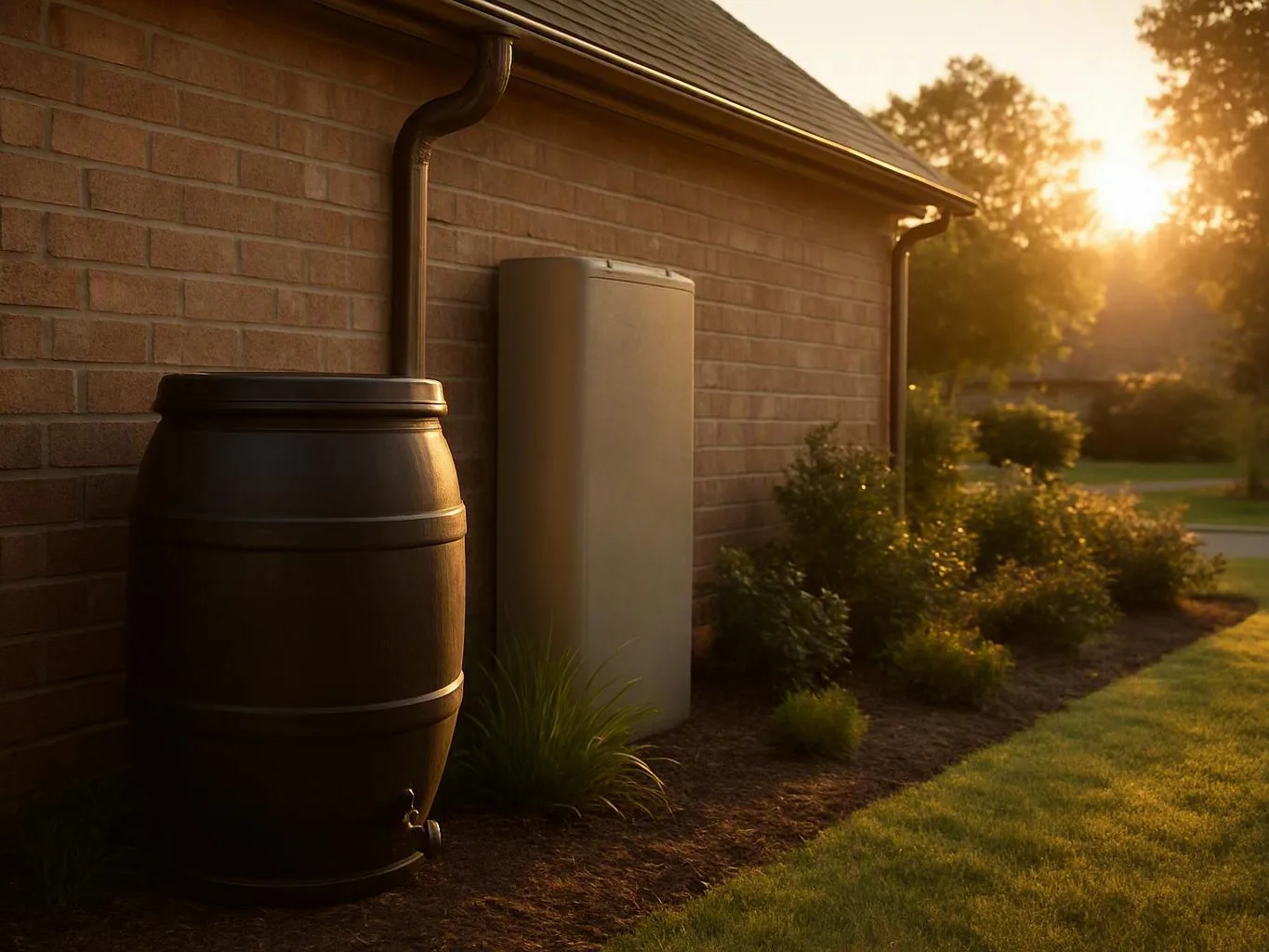
Roof Catchment Mapping
A roof catchment map traces each gutter run and downspout. The map shows which roof areas can feed storage.
Capture roof runoff during Memphis storms and guide overflow away from your home. We fit storage to your roof, yard, and drainage path.
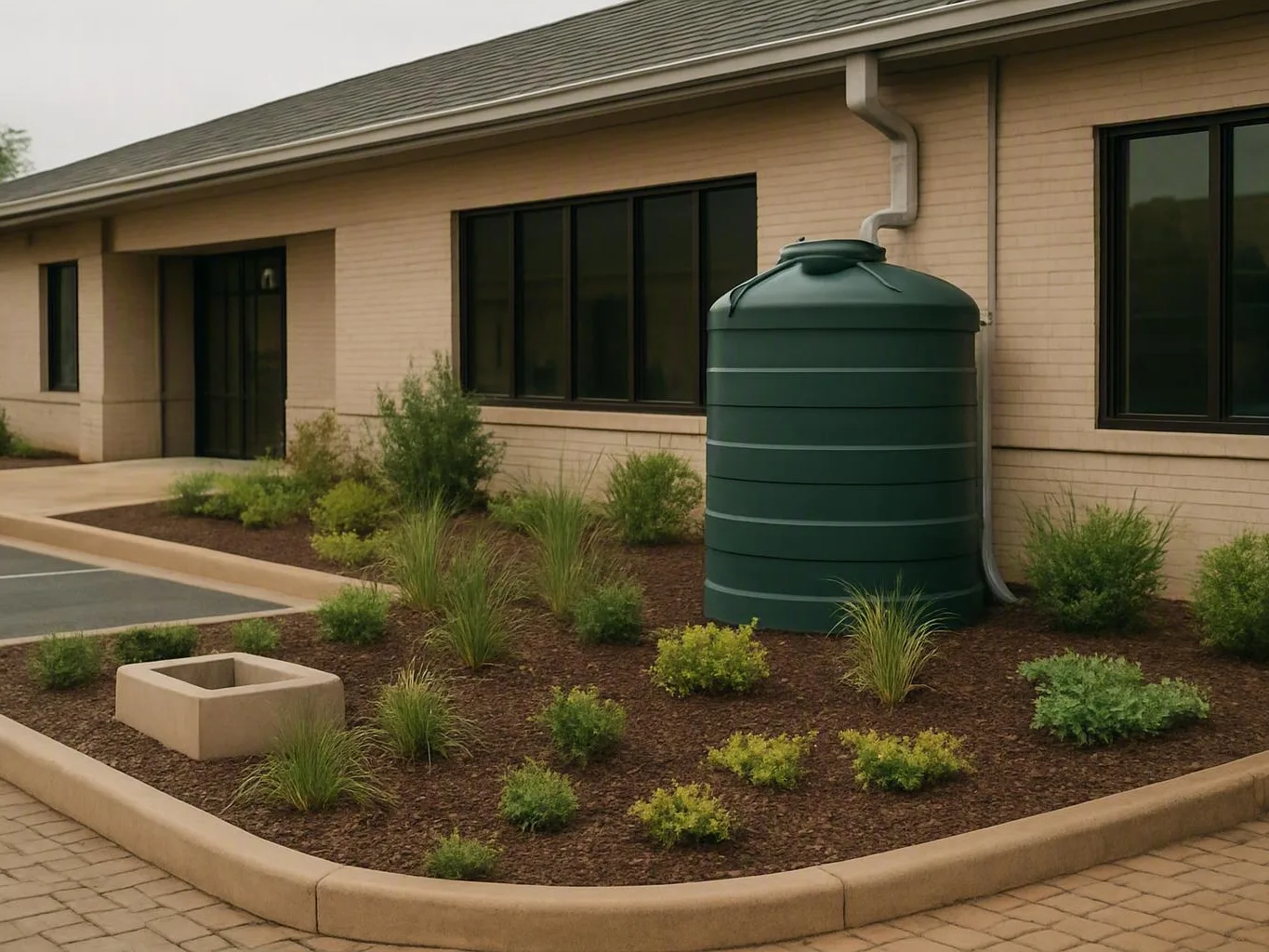
Gutter-Connected Cistern and Rain Barrel Systems are rainwater storage systems that collect roof runoff through gutters.
According to Rutgers New Jersey Agricultural Experiment Station (2020), one inch of rainfall on a 1,000-square-foot roof can yield approximately 623 gallons of runoff for a gutter-connected rain-barrel or cistern system.
Source: Rutgers New Jersey Agricultural Experiment Station·Year: 2020
Residential rain barrels typically store 50 to 75 gallons, a key storage-sizing range for gutter-connected barrel installations, as reported by Rutgers New Jersey Agricultural Experiment Station (2020).
Source: Rutgers New Jersey Agricultural Experiment Station·Year: 2020
Data from University of Maryland Extension (2024) shows that using a rain barrel can save approximately 1,300 gallons of water during peak summer months.
Source: University of Maryland Extension·Year: 2024

Gutter-Connected Cistern and Rain Barrel Systems store roof runoff and control excess water. Memphis homes face hot summers, heavy storms, and short cold snaps. A tank needs a firm base, screened inlet, shutoff, and overflow path. Downtown Memphis and Midtown have older brick and wood-frame homes with varied roof lines. East Memphis and Germantown include ranch homes and newer lots with different yard grades. These settings change where tanks fit and where overflow should go. A rushed install may connect a tank without testing the full flow path. We use Gutter Installation and Gutter Guards, then test inlets and outlets before final checks. Our stance is simple. Overflow planning matters as much as tank size.
A roof catchment map traces each gutter run and downspout. The map shows which roof areas can feed storage.
An inlet screen and first-flush diverter (a small waste-water release) keep early roof dirt out of the tank. You receive a cleaner storage path.
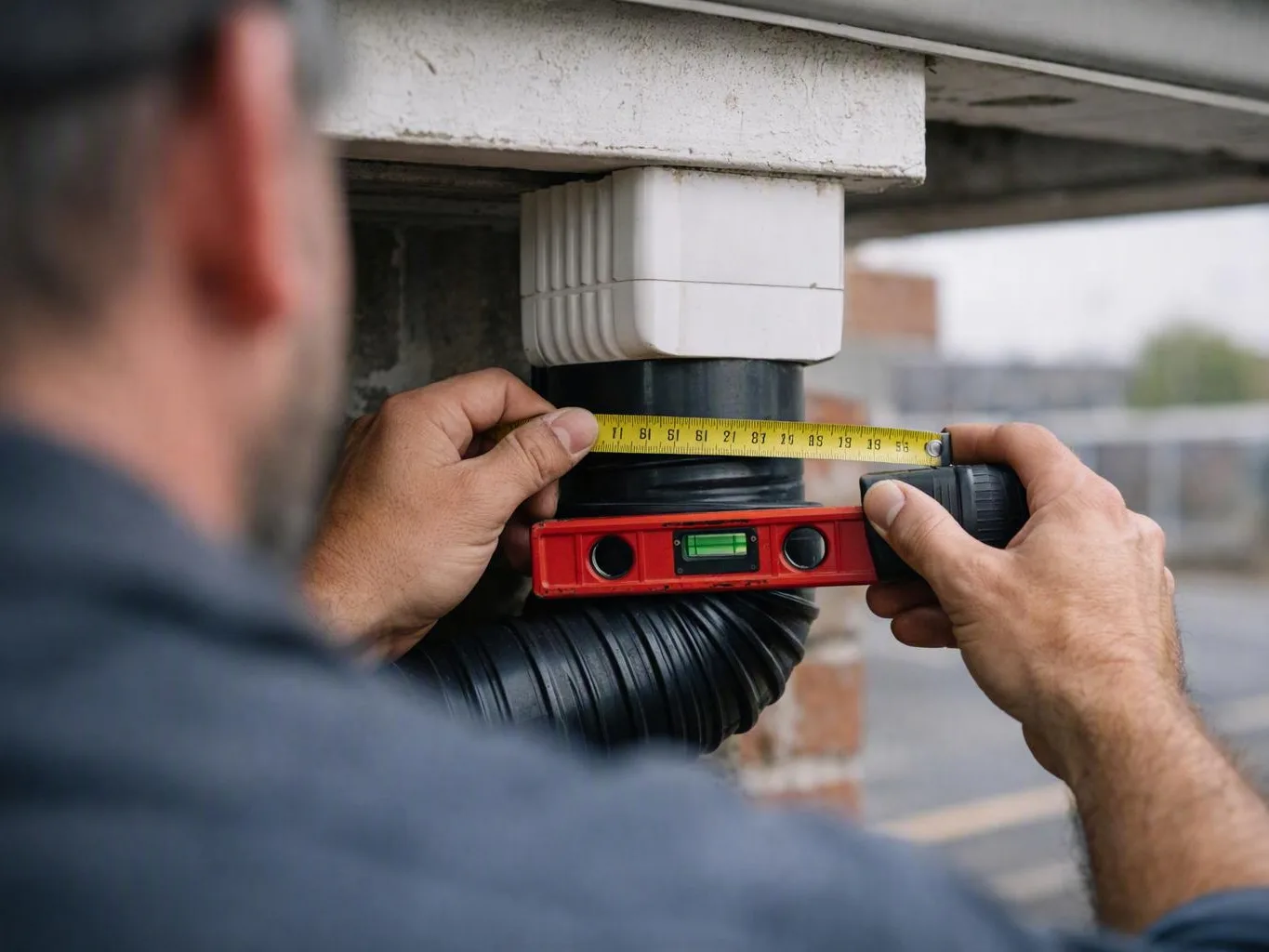
A level-base check confirms the tank sits on firm support. This lowers tilt, stress, and outlet strain.
A flow test sends water through the inlet and overflow line. The test confirms water leaves the tank safely.
A maintenance checklist covers screens, tank lids, valves, and guards. You know what to check before storm season.
Scope and options vary by site conditions, materials, and access. Common options:
Small roof section
One screened inlet with a tested overflow path.
Larger roof catchment
Mapped inlets with split flow and tank checks.
Higher storage demand
Cistern placement, base review, valves, and overflow testing.
Final scope is confirmed on site. Call for a clear quote before work begins.
These steps help the site visit stay safe and focused.
DIY rain barrel work may suit a small ground-level barrel, but roof-linked systems need safe ladder work and overflow control.
Ladder work on gutters causes thousands of fall injuries each year, so leave two-story cleaning to equipped professionals.
A flow test checks the gutter inlet, screen, tank valve, and overflow line.
The test gives you a record of the working water path.
Gutter-Connected Cistern and Rain Barrel Systems capture roof runoff for outdoor water use.
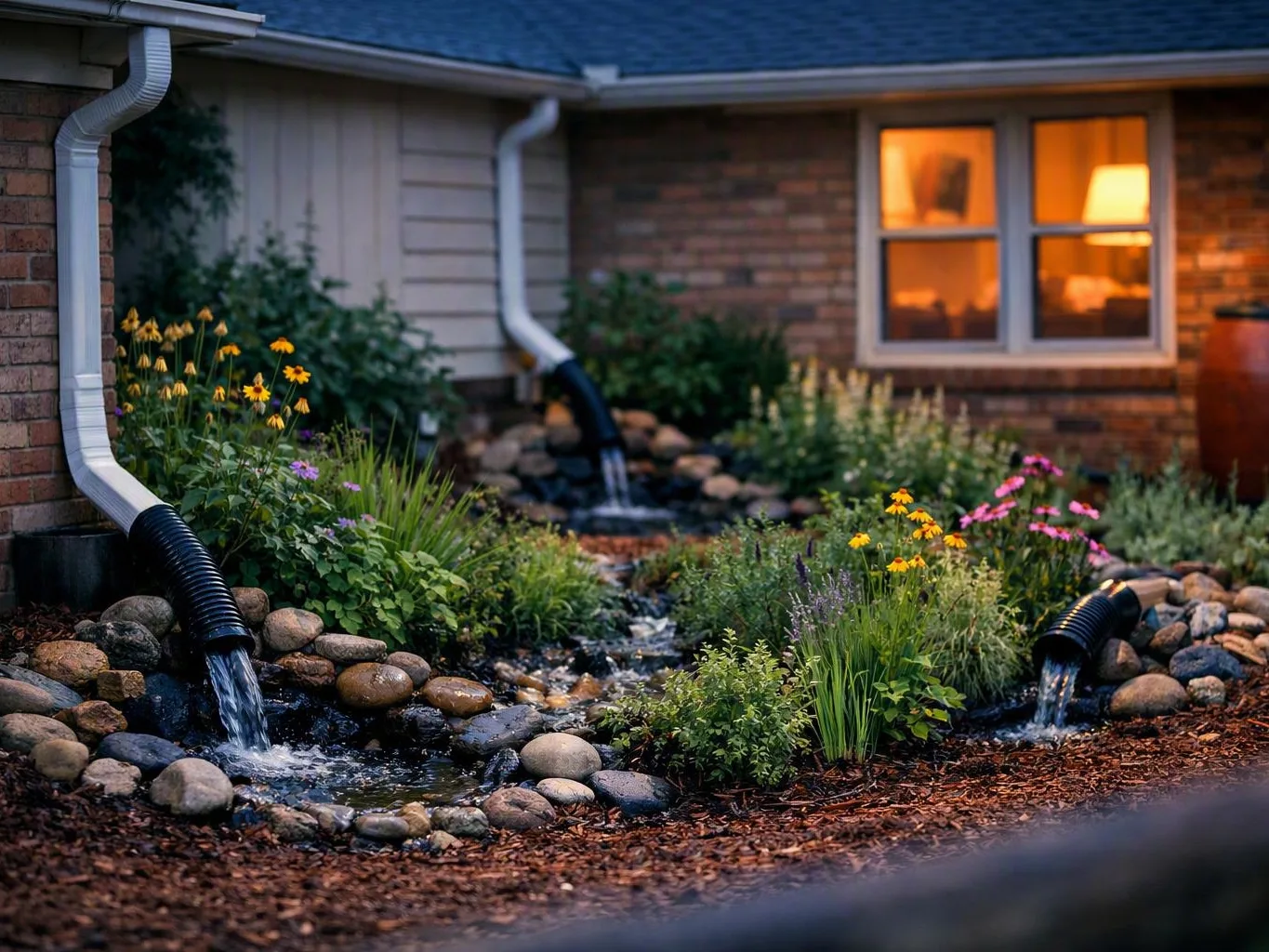
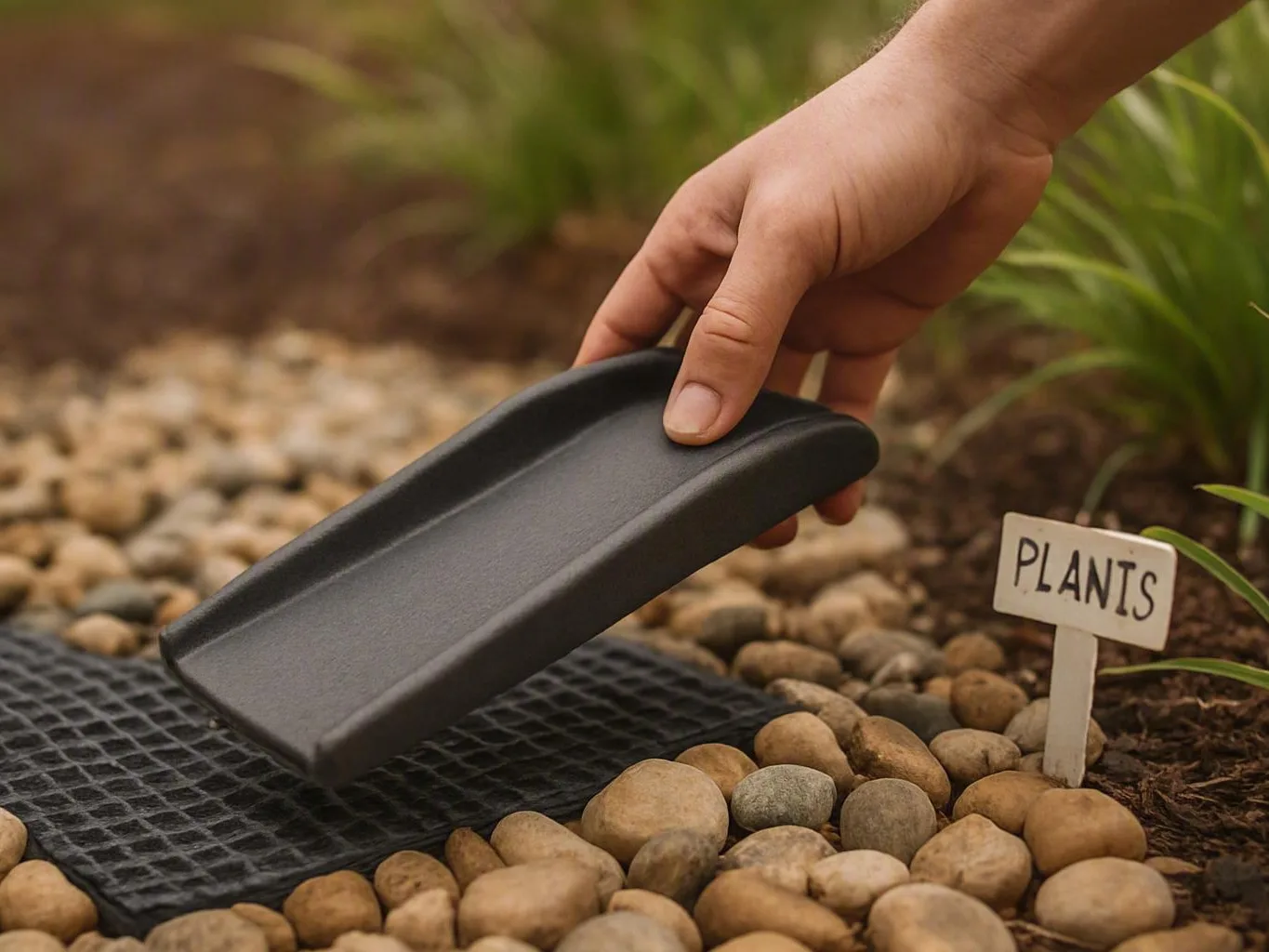
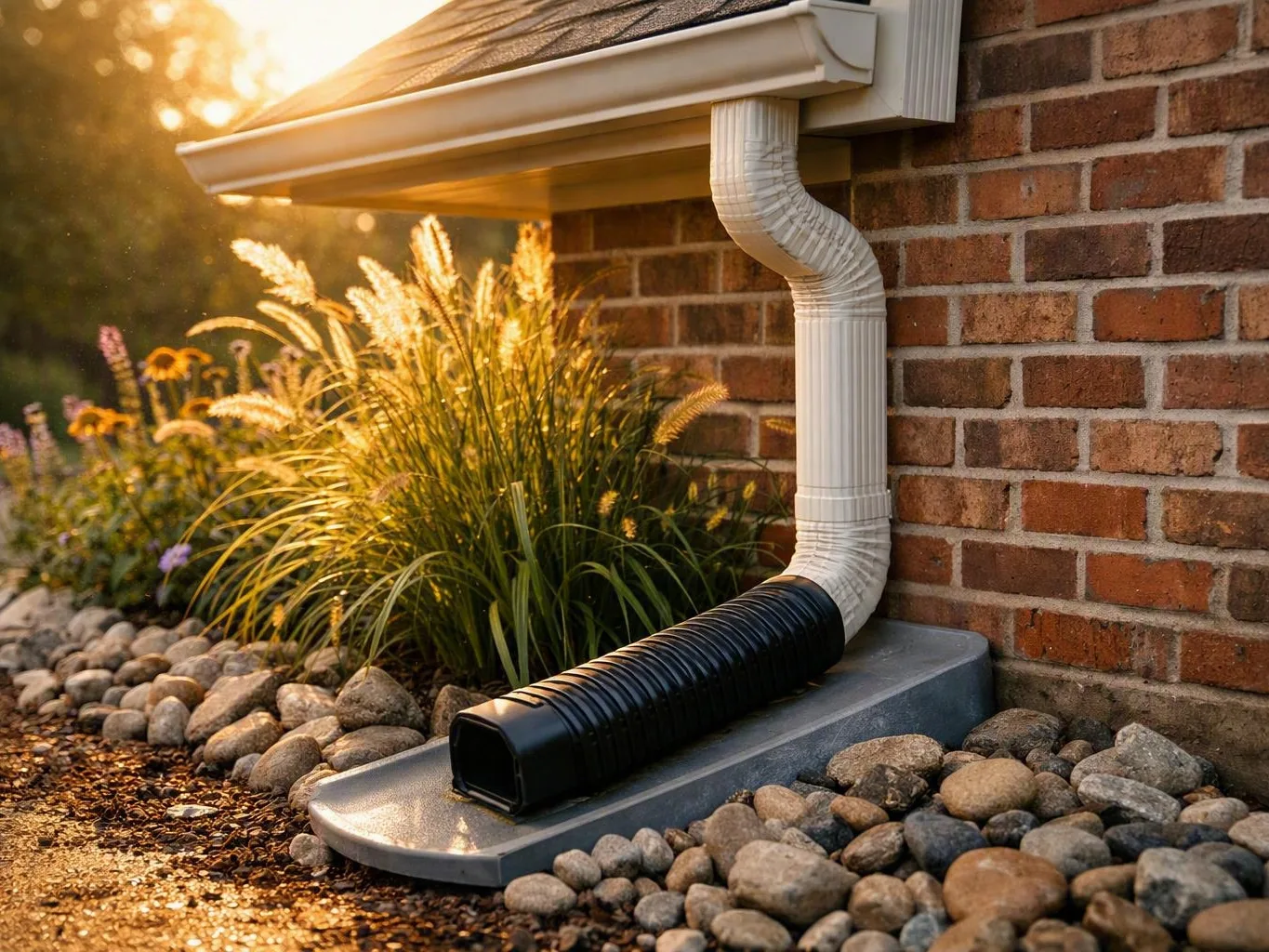
After you request an estimate, we’ll review roof flow, tank space, and overflow needs, with same-day scheduling available for urgent drainage concerns.
Memphis, TN

A Memphis, TN homeowner sees water spilling beside the wall after a late storm. Summer rain can fill a small barrel before the outlet drains it. We isolate the tank inlet, check the downspout, and trace the overflow route. The safe first step is to keep people away from slick ground and avoid climbing. An urgent inspection can show whether the issue needs a screen, larger storage path, or safer discharge point.
A Memphis, TN owner sees rust marks near an older brick home. The visible stain may point to a split elbow or buried outlet. We inspect the joint, trace the pipe, and check the base before linking a cistern. A written scope separates repair work from new storage work.
A Memphis, TN ranch home has soil washing near its rear wall during storms. The crew checks roof flow, yard grade, tank access, and overflow distance. We also review ladder safety and any local permit questions before work starts. A screened inlet and planned discharge can reduce debris and runoff pressure.