
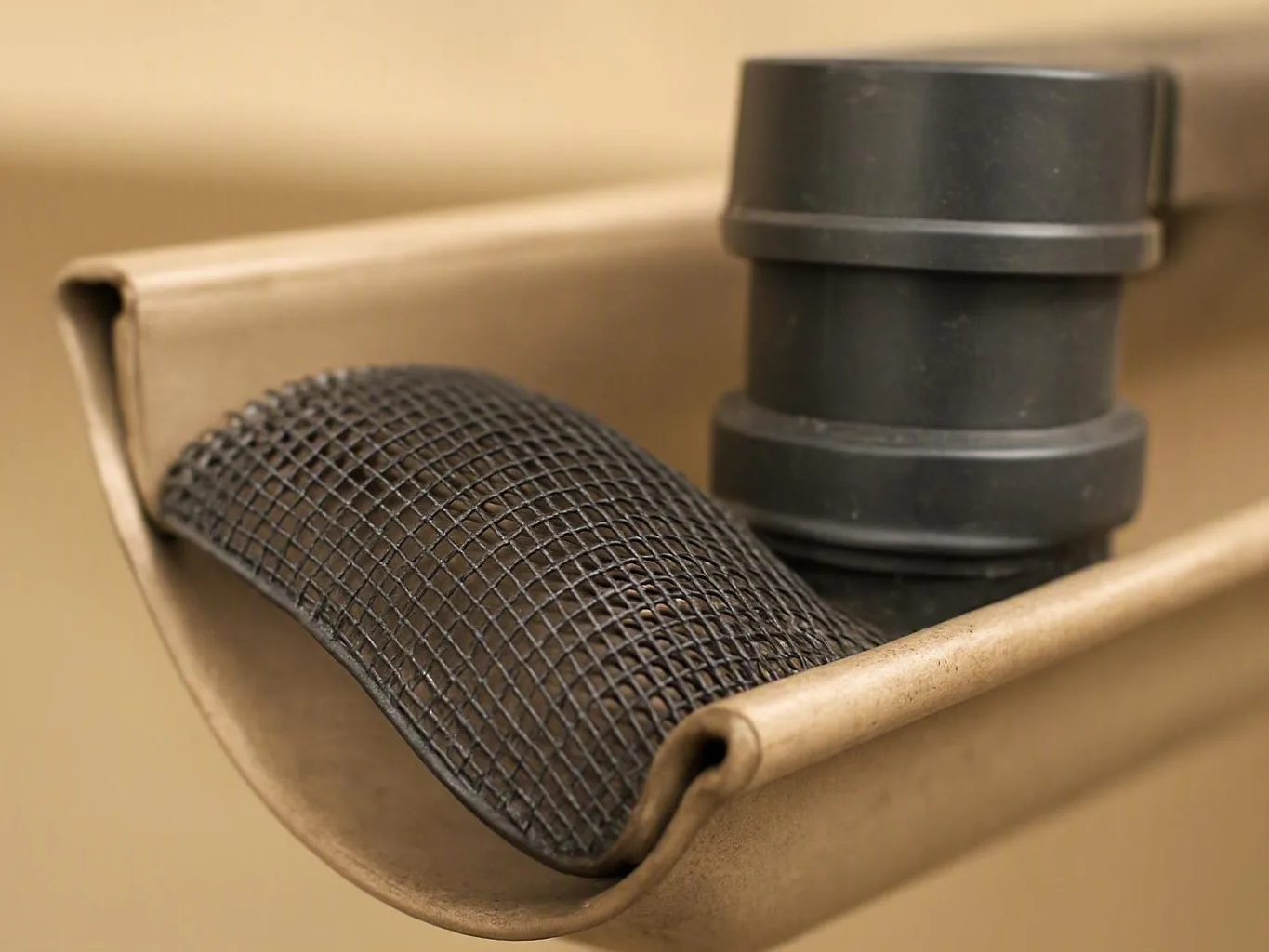
Roof Catchment Mapping
We map roof sections, gutters, downspouts, and low points. The map shows where captured water starts and ends.
Rainwater storage can help control runoff from Memphis roofs. We plan gutter flow, storage, and safe discharge for the site.
Maps roof water before storage parts are chosen.
Keeps leaves and pine needles out of tanks.
Plans overflow away from walls and walkways.
Fits tight roof access near Downtown Memphis.
Accounts for hot storms and damp summer weather.
Creates records for stormwater credit discussions.
Stormwater-Credit Rainwater Harvesting Gutter Systems are roof runoff control systems that collect, store, and release rainwater.
According to Texas A&M AgriLife Extension Service (2005), the rainwater-harvesting calculation uses 0.623 gallons of collected water per square foot of roof catchment for each inch of rainfall before applying collection-efficiency losses.
Source: Texas A&M AgriLife Extension Service·Year: 2005
Data from Texas A&M AgriLife Extension Service (2005) shows that a 1,000-square-foot roof receiving 1 inch of rain has a gross harvest potential of 623 gallons before collection losses.
Source: Texas A&M AgriLife Extension Service·Year: 2005

Stormwater-Credit Rainwater Harvesting Gutter Systems control roof runoff before it reaches streets or low ground. The plan links gutters, screens, tanks, overflow pipes, and final discharge. Memphis has hot, damp summers and frequent thunderstorms, so overflow planning matters. Downtown buildings near Beale Street may have tight roof access and mixed commercial use. East Memphis homes and sites may have more yard space for tanks and safe discharge. Each setting needs a different layout, access plan, and maintenance path. A weak shortcut is adding a tank without measuring roof flow. That can leave the tank full while runoff still bypasses the system. We use a roof-to-tank flow map, check gutter slope, and list each overflow point. The file can support questions about stormwater credit rules. The plan also includes Gutter Installation and Gutter Guards where needed. We prefer a complete flow path over a tank added after the fact. City stormwater rules may limit credits to eligible nonresidential properties.
We map roof sections, gutters, downspouts, and low points. The map shows where captured water starts and ends.
We compare roof area with the planned storm volume. This check helps set storage and overflow needs.
We place screens, guards, and leaf controls before the tank inlet. The layout limits debris without blocking flow.
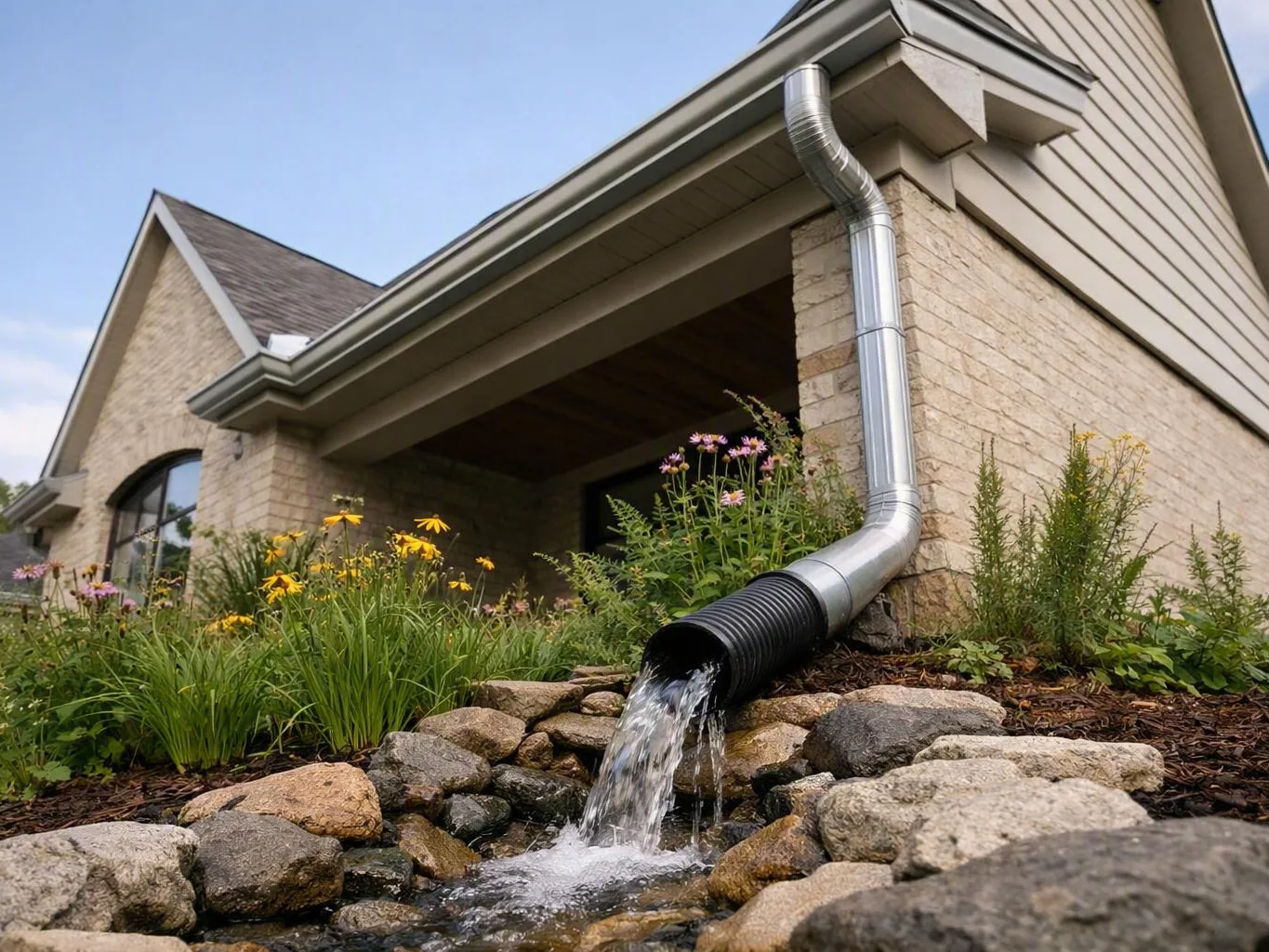
We trace overflow toward a safe discharge point. The route keeps extra storm water away from walls and busy paths.
We record parts, flow paths, and care tasks. The file gives owners useful documents for local stormwater questions.
All Pro Roofing and Gutters holds every Stormwater-Credit Rainwater Harvesting Gutter Systems engagement to the same standard—from first inquiry through completed work. Here is what guides our process.
Every Stormwater-Credit Rainwater Harvesting Gutter Systems case is reviewed against our own checks before sign-off, so you receive exactly what was agreed.
Clear documentation at every stage—what we reviewed, what we found, and what happens next.
Dedicated communication throughout the process—from your first inquiry to completed Stormwater-Credit Rainwater Harvesting Gutter Systems.
These steps help the inspection focus on flow, storage, access, and site rules.
A stormwater credit file should identify the roof area, storage tank, filters, overflow route, and discharge point.
Stormwater-Credit Rainwater Harvesting Gutter Systems capture roof runoff and guide storage for eligible storm controls.

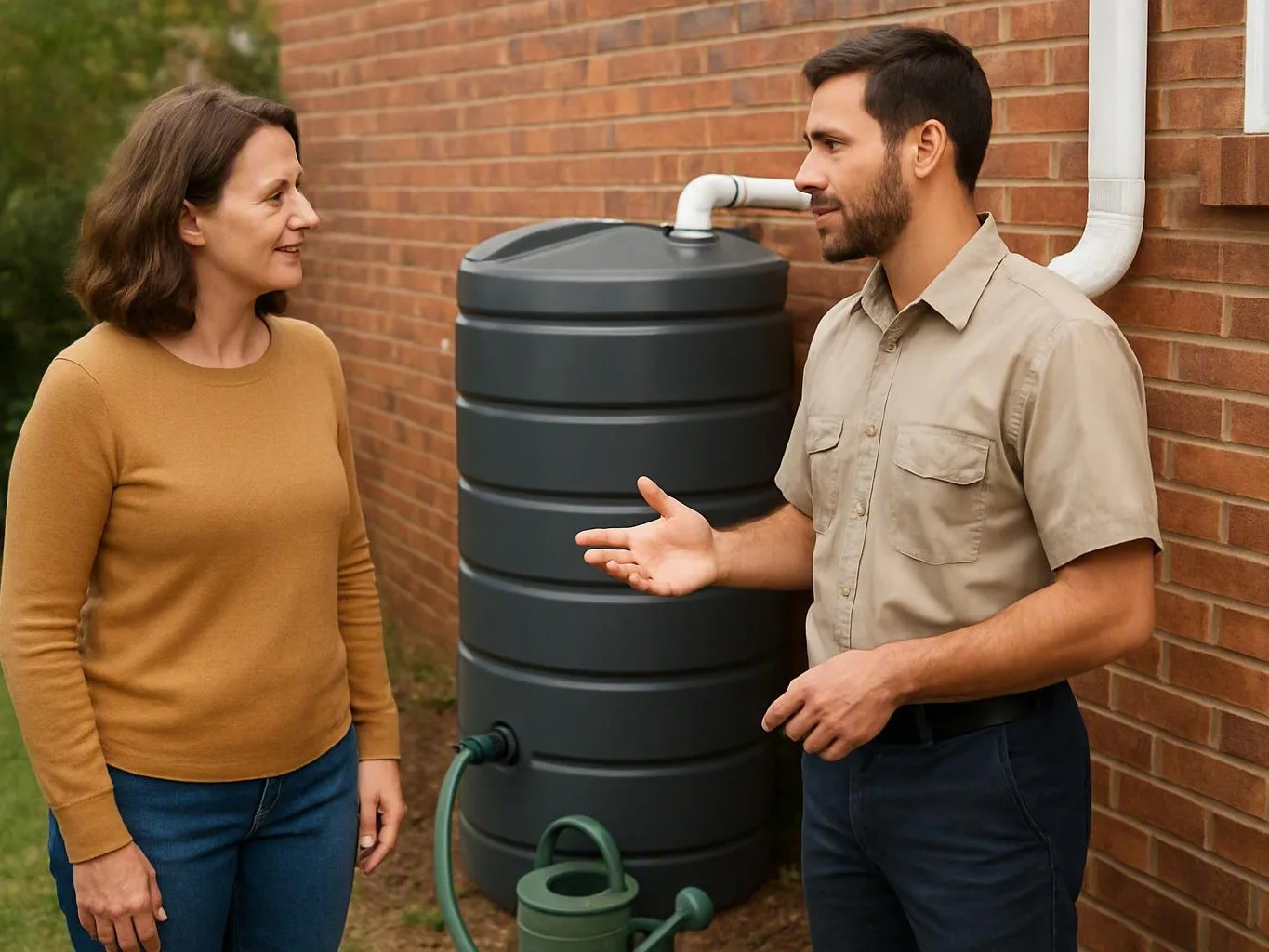

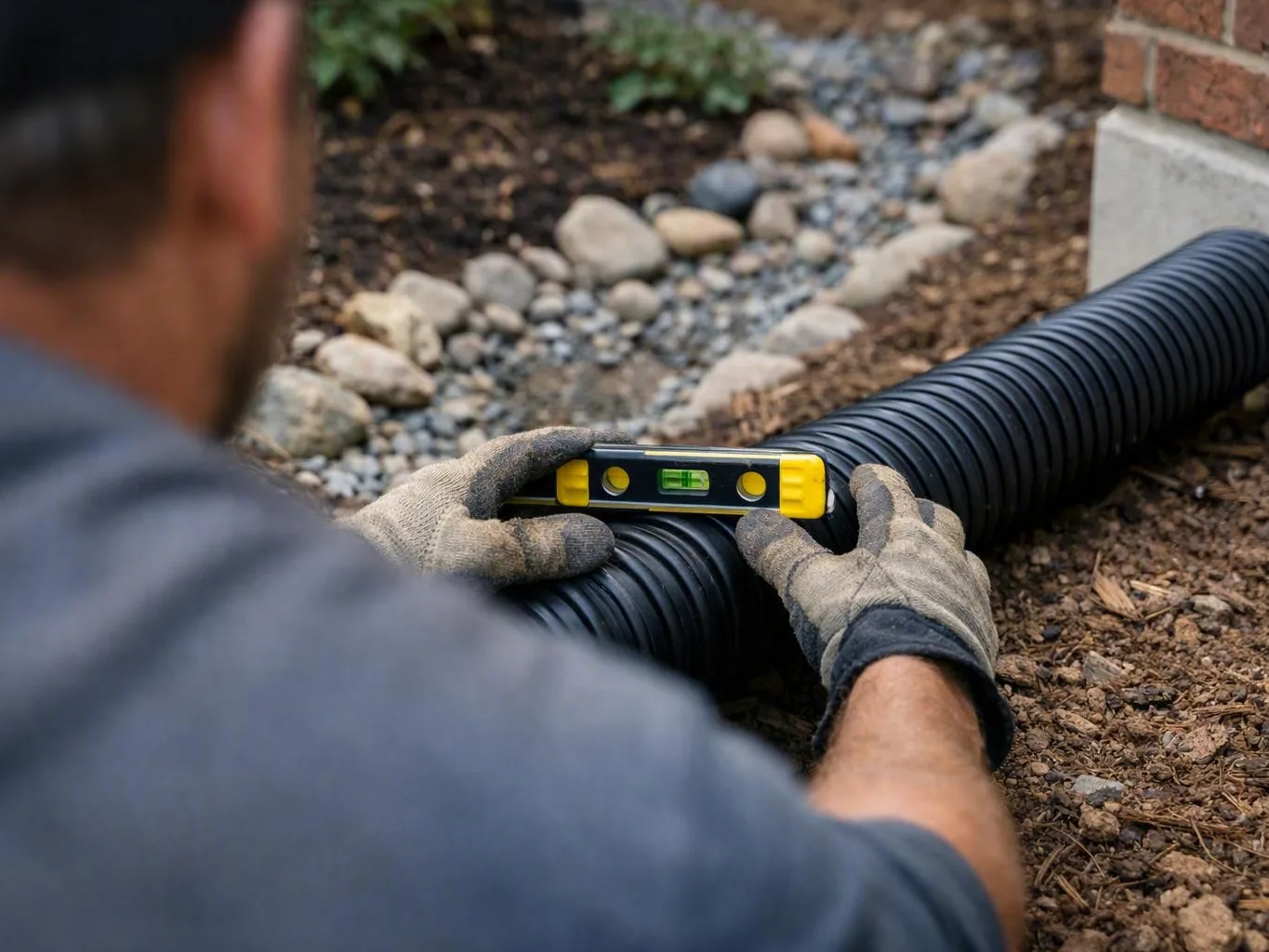
Need stormwater credit records or safer overflow near Memphis roof drains? Request an estimate for emergency dispatch or same-day scheduling.
Need stormwater credit records or safer overflow near Memphis roof drains? Request an estimate for emergency dispatch or same-day scheduling.
Memphis, TN

Budget limits can make a full drainage rebuild hard. In Memphis, a site may show water stains beside a tank after a summer storm. The hidden cause may be a blocked screen, weak gutter slope, or short overflow route. We inspect the roof catchment, isolate the blocked path, and document safe storage changes. Keep people away from pooled water until the flow path is checked.
A property manager finds loose screens before opening a Memphis, TN commercial space. Older brick buildings and tight roof paths can make tank and gutter access unsafe. We check ladders, roof edges, guards, tank lids, and discharge points before use. We also note any city review needs. The manager receives a written scope that separates safety work from later storage work.
A storm damages a Memphis, TN apartment roof after hours. The first need is containment, not a rushed storage choice. We help isolate unsafe overflow and protect entry paths, then check the gutter and tank setup. State and city rules still guide the later repair.