
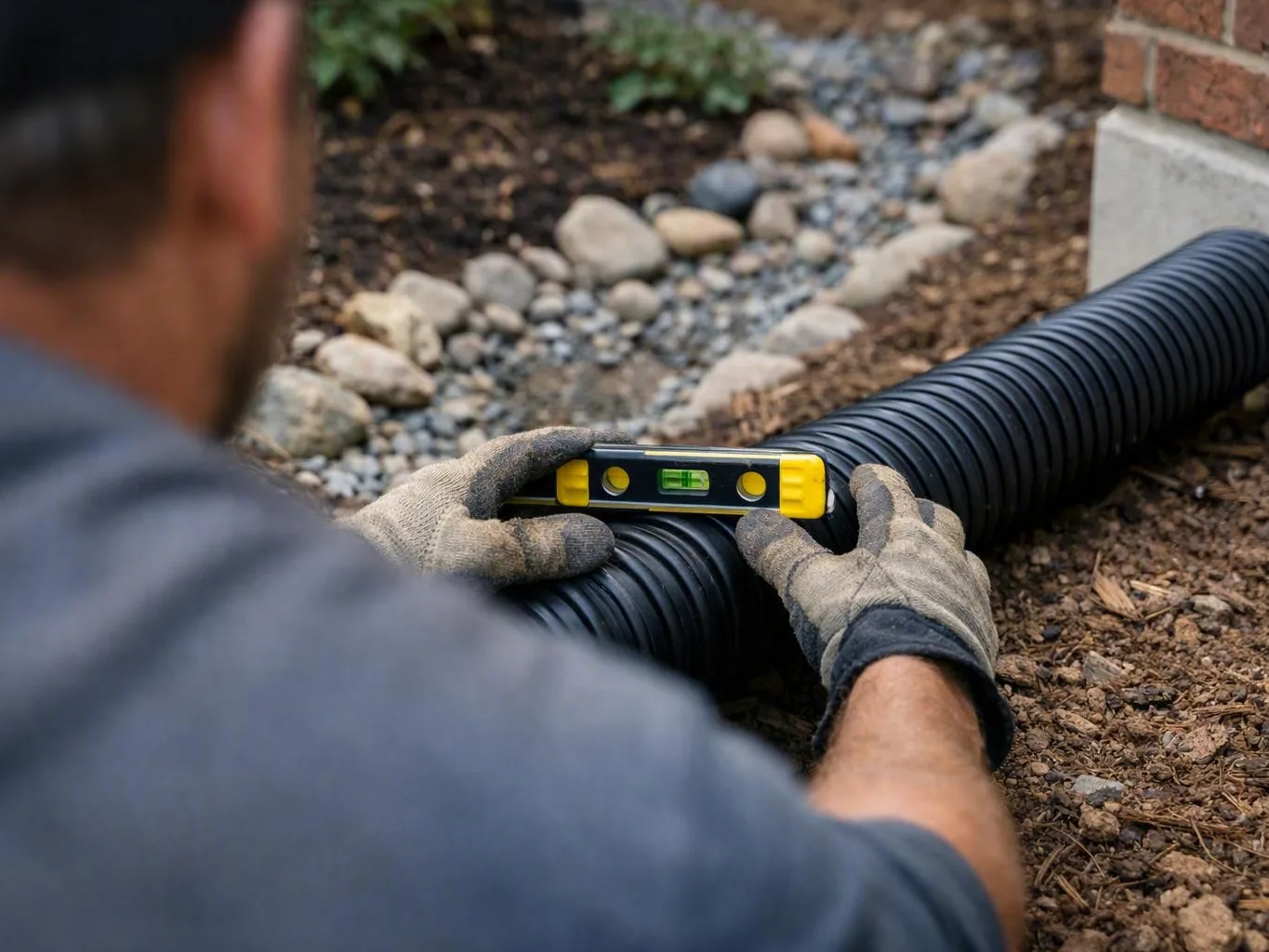
Outlet-to-Soil Trace
A drainage trace follows water from the downspout to the yard. It identifies pooling, washout, and the likely pipe route.
Buried downspout lines move storm water away from your home. Hot summers and strong storms make sound drainage work useful here.
Moves roof water away from foundation walls.
Limits soil washout around older brick homes.
Keeps muddy runoff away from walks and doors.
Creates a service point for future checks.
Accounts for Memphis storms and humid soil.
Fits narrow Midtown lots and wider suburban yards.
Underground Downspout Drainage is a buried water-control system that carries roof runoff away from a building.
According to Insurance Information Institute (2022), water damage and freezing accounted for 23.5% of U.S. homeowners insurance losses in 2022, highlighting the property-loss exposure that properly routed gutter and downspout drainage is intended to reduce.
Source: Insurance Information Institute·Year: 2022
Data from Insurance Information Institute (2022) shows that the average U.S. homeowners insurance claim for water damage and freezing was $12,514 in 2022.
Source: Insurance Information Institute·Year: 2022
One inch of rainfall on a 1,000-square-foot roof produces about 623 gallons of runoff, as reported by Penn State Extension (2024), which is a relevant volume for sizing downspouts and underground drainage conveyance.
Source: Penn State Extension·Year: 2024

Underground Downspout Drainage gives roof runoff a controlled path below the yard. It helps limit foundation pooling, soil loss, muddy walks, and wet planting beds during Memphis thunderstorms. Midtown and Cooper-Young have older brick and wood homes with tight lots. East Memphis and Germantown include postwar ranch homes with wider yards and longer pipe runs. Each setting changes access, pipe route, and outlet placement. A shortcut causes trouble when installers bury pipe without checking grade or the outlet. We trace the source, set the route, and test flow before backfill. Gutter Installation and Gutter Guards can reduce debris at the pipe entry, but they don't fix a crushed line.
A drainage trace follows water from the downspout to the yard. It identifies pooling, washout, and the likely pipe route.
A grade check confirms fall, pipe depth, and outlet position. The plan shows where digging and access limits may affect work.
Buried drainage pipe uses joined sections and a suitable outlet. The layout gives roof water a controlled path away from the wall.
A cleanout creates a service point near the line. Future checks can reach the pipe without guessing at its location.
A flow test sends water through the line before backfill. The result confirms discharge and exposes leaks or blockages.
Scope and options vary by site conditions, materials, and access. Common options:
Unknown blockage or pooling
Tracing, grade checks, and flow testing define the problem.
Controlled runoff discharge
Pipe and outlet work moves water away from the building.
Failed buried lines
Cleanouts, joints, and damaged sections receive focused attention.
Final scope is confirmed on site. Call for a clear quote before work begins.
These steps help crews trace runoff and protect access around your home.
A buried downspout line becomes urgent when water reaches foundation walls, doors, walkways, or unsafe soft soil.
Crews can isolate the likely blockage and plan the next repair step.
A drainage crew finds blockages by tracing outlets, checking grade, and running controlled water through the line.
A camera check may help locate a crushed or shifted section.
Gutter cleaning and outlet checks reduce debris before it reaches buried pipe.
Memphis humidity and strong summer storms make regular checks useful.
The drainage installation process includes route tracing, grade checks, pipe placement, outlet setup, and flow testing.
The final setup should leave a known discharge point and service access.
Underground Downspout Drainage carries roof runoff away from Memphis homes through buried pipe and outlet paths.
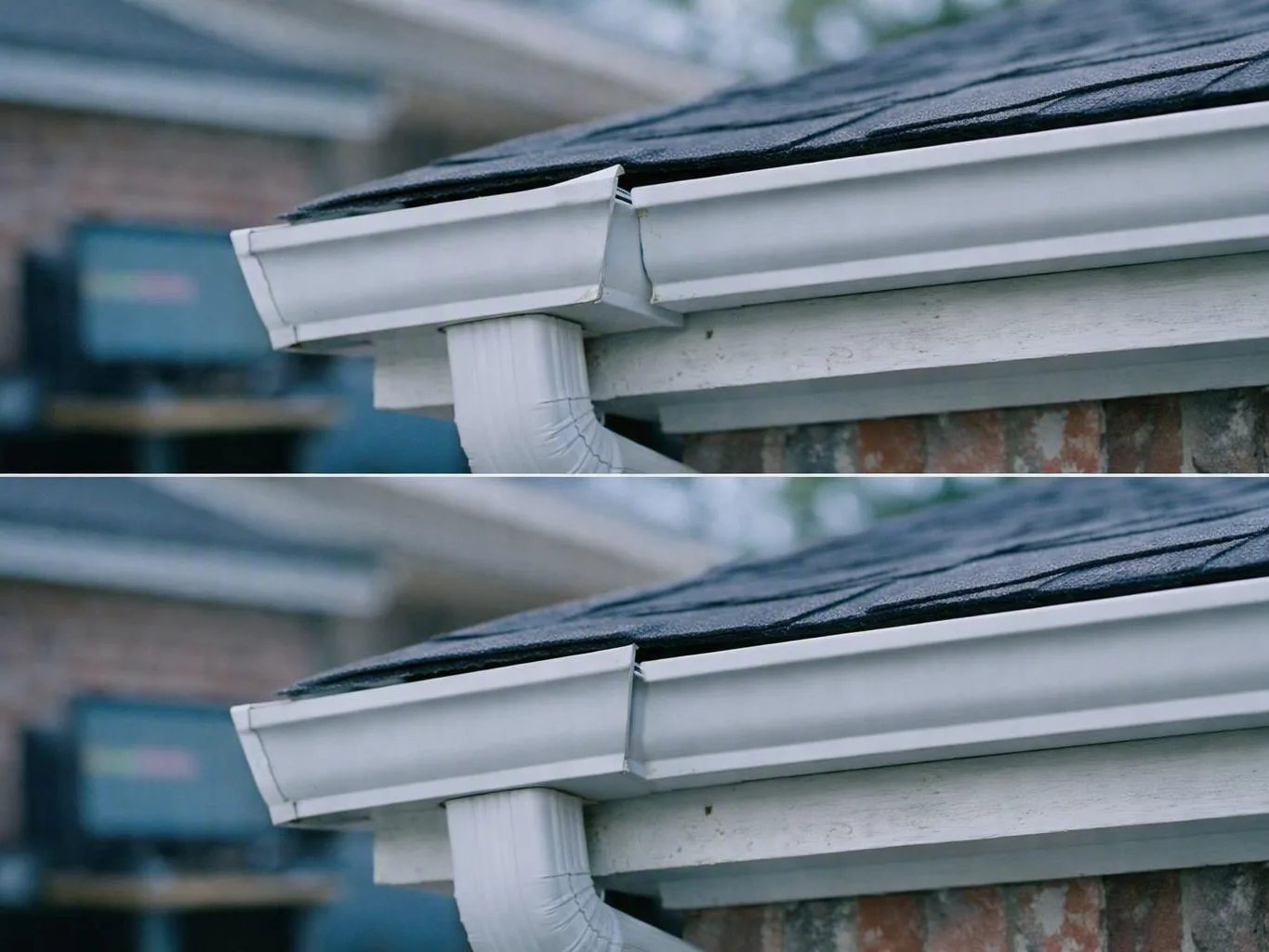
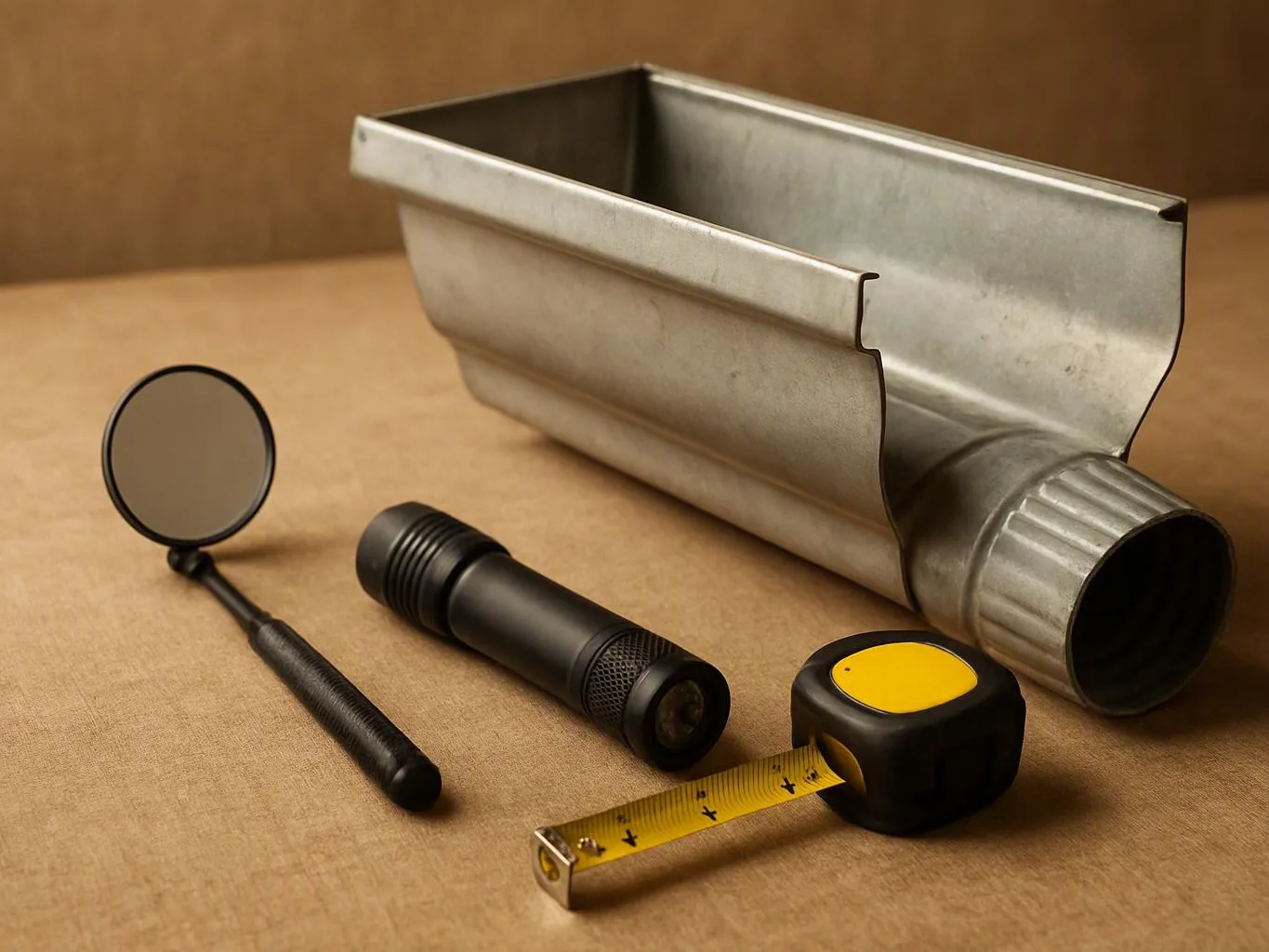

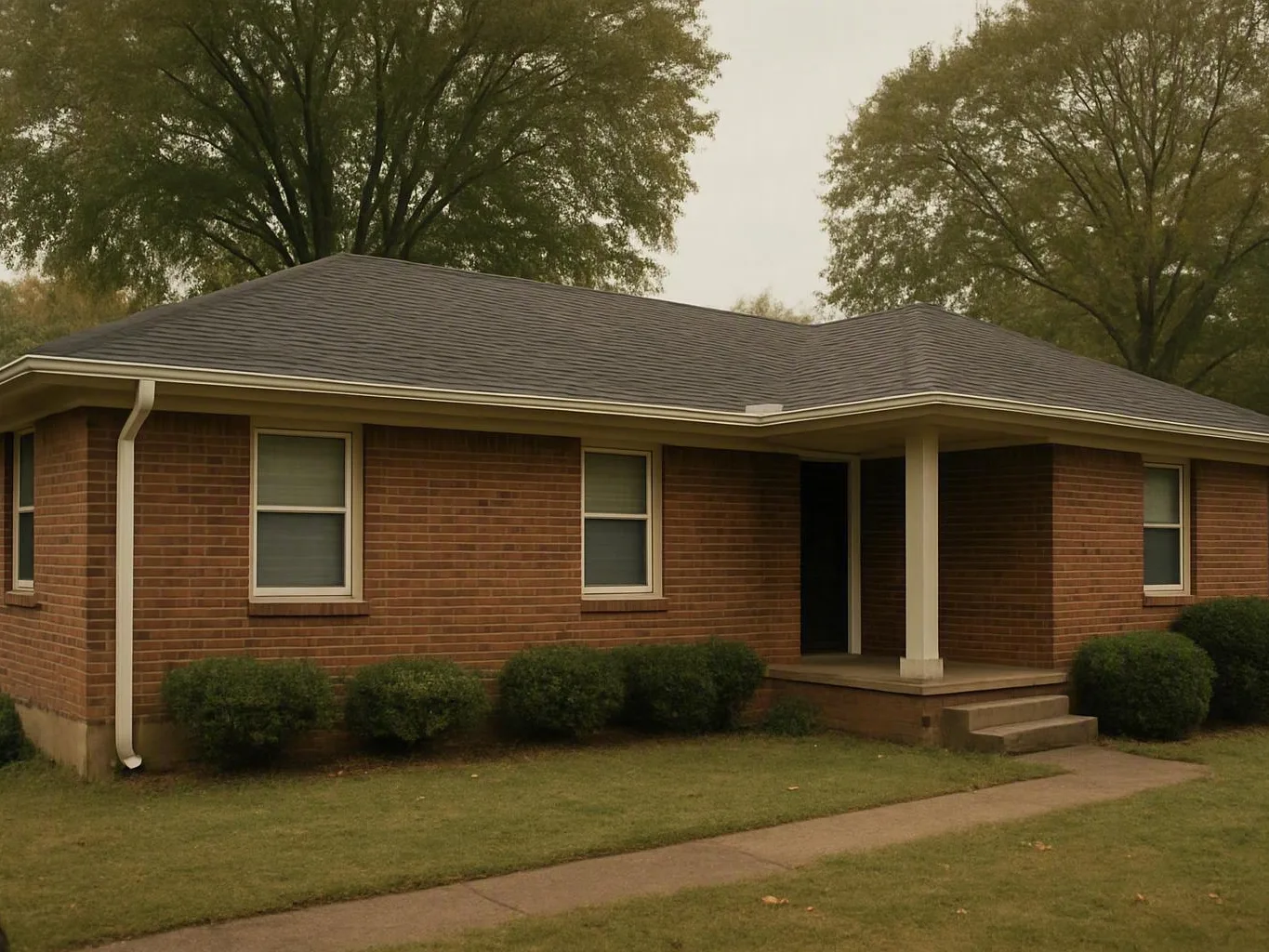

Get a tested runoff path for Memphis soil, storm flow, and foundation protection, with emergency dispatch or same-day scheduling when available.
Memphis, TN

Limited access can make an older Memphis, TN home harder to trace. Damp brick near a downspout may show a hidden break below soil. Our crew checks the visible outlet, pipe grade, joints, and nearby foundation edge. The safe next step is to keep people away from soft ground and avoid digging near marked utilities until the route is mapped.
A property owner in Memphis, TN sees water rising beside an older brick home after a night storm. The first step is safe isolation, not blind digging. We check the outlet and discharge path, then set an urgent plan for buried pipe access and water control.
A Memphis, TN homeowner finds a soft patch near an apartment walkway before opening the space. Buried runoff may have washed out soil below the path. We check the line, outlet, and walking area, then note any safety or access issue before work starts. The owner gets documented next steps for drainage and surface repair.