
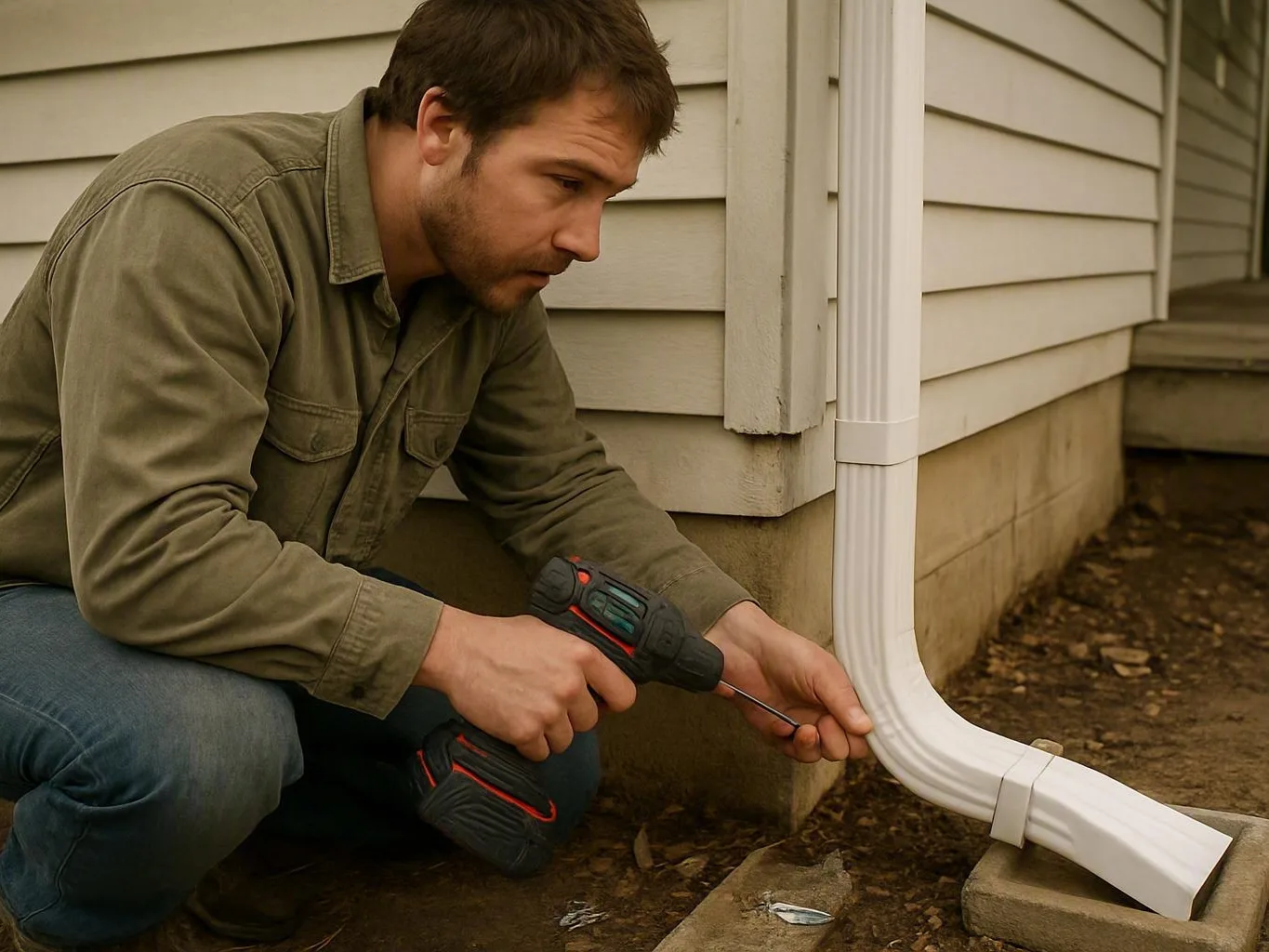
Roof Runoff Trace
A runoff trace follows water from the downspout to the ground. You learn where the outlet should end.
Summer storms can send roof water toward brick walls and low yards. We fit extensions that guide water away from your home.
Moves roof water farther from foundation soil.
Limits washout near brick and wood walls.
Keeps water away from Memphis entry walks.
Fits short lots around Midtown homes.
Supports cleaner flow with Gutter Installation and Gutter Guards.
Helps commercial doors stay safer during storms.
Downspout Extensions are drainage parts that carry roof water away from a building.
According to GutterSupply.com (2026), a 2-by-3-inch rectangular downspout is rated for up to 600 square feet of roof drainage area, and an extension should preserve rather than restrict that outlet capacity.
Source: ·Year: 2026
Data from GutterSupply.com (2026) shows that a 3-by-4-inch rectangular downspout is rated for up to 1,200 square feet of roof drainage area, an important sizing benchmark when connecting an extension to a larger downspout.
Source: ·Year: 2026
Downspouts should extend at least 4 to 6 feet away from the building, as reported in the International Association of Certified Home Inspectors (InterNACHI) guidance for gutter-and-downspout inspections (2026).
Source: International Association of Certified Home Inspectors (InterNACHI)·Year: 2026

Downspout Extensions control where roof water leaves the downspout. They matter during humid summers and frequent thunderstorms, when short outlets can wash soil beside older brick homes. Midtown and Cooper-Young have older homes with tight walks and smaller yards. East Memphis and Germantown include ranch homes and wider lots, so outlet length and route can differ. We map the water path before choosing a part. A skipped slope check wastes money. Some providers attach a long tube without checking the outlet or soil grade. We use a water-flow test, then document the route and needed parts. Gutter Installation and Gutter Guards may help when the whole system needs better flow.
A runoff trace follows water from the downspout to the ground. You learn where the outlet should end.
A grade check tests the fall from the downspout. The result guides length, bends, and outlet placement.
A site access check notes soil, walks, fences, and doors. You avoid a route that creates a new hazard.
The crew fits the extension, connector, and splash block. Secure parts keep the route in place during storms.
A water-flow test confirms the finished path. You receive practical next steps for upkeep.
Scope and options vary by site conditions, materials, and access. Common options:
Open yards
Uses a visible extension and supported outlet.
Walks and small yards
Uses careful placement around doors and paths.
Planned underground drainage
Needs added checks for soil, roots, and outlet access.
Final scope is confirmed on site. Call for a clear quote before work begins.
These steps help the crew inspect the outlet and plan a safe route.
DIY work can create fall and drainage risks, especially on two-story homes.
Midtown lots may also leave little room for a safe ladder setup.
Project scope depends on outlet height, ground slope, soil, access, and the final water destination.
We explain which parts are needed and which work can wait.
Site notes help the contractor plan the drainage route.
Photos from safe ground can also show the problem.
Downspout Extensions move roof water away from foundations and walkways.

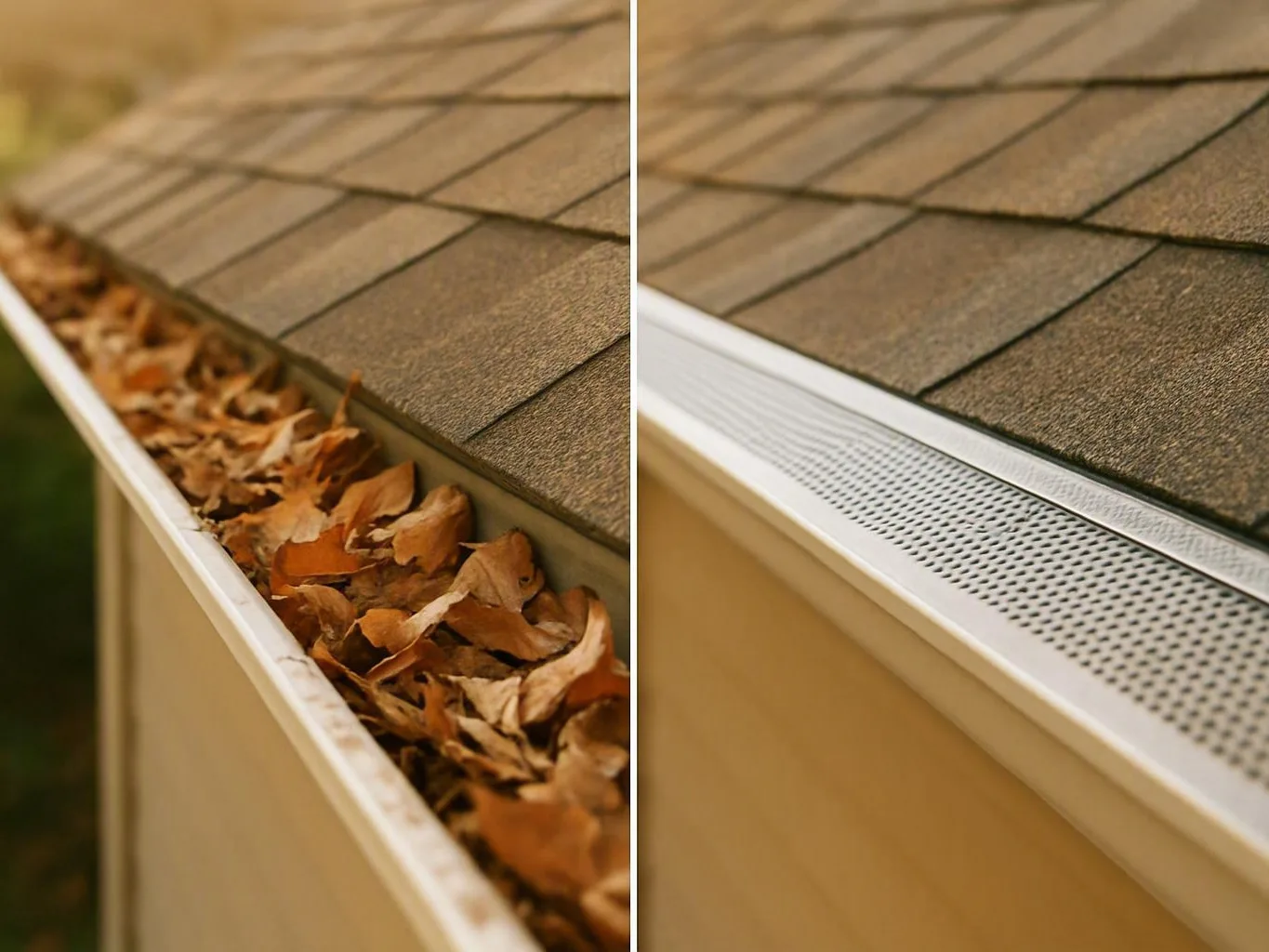

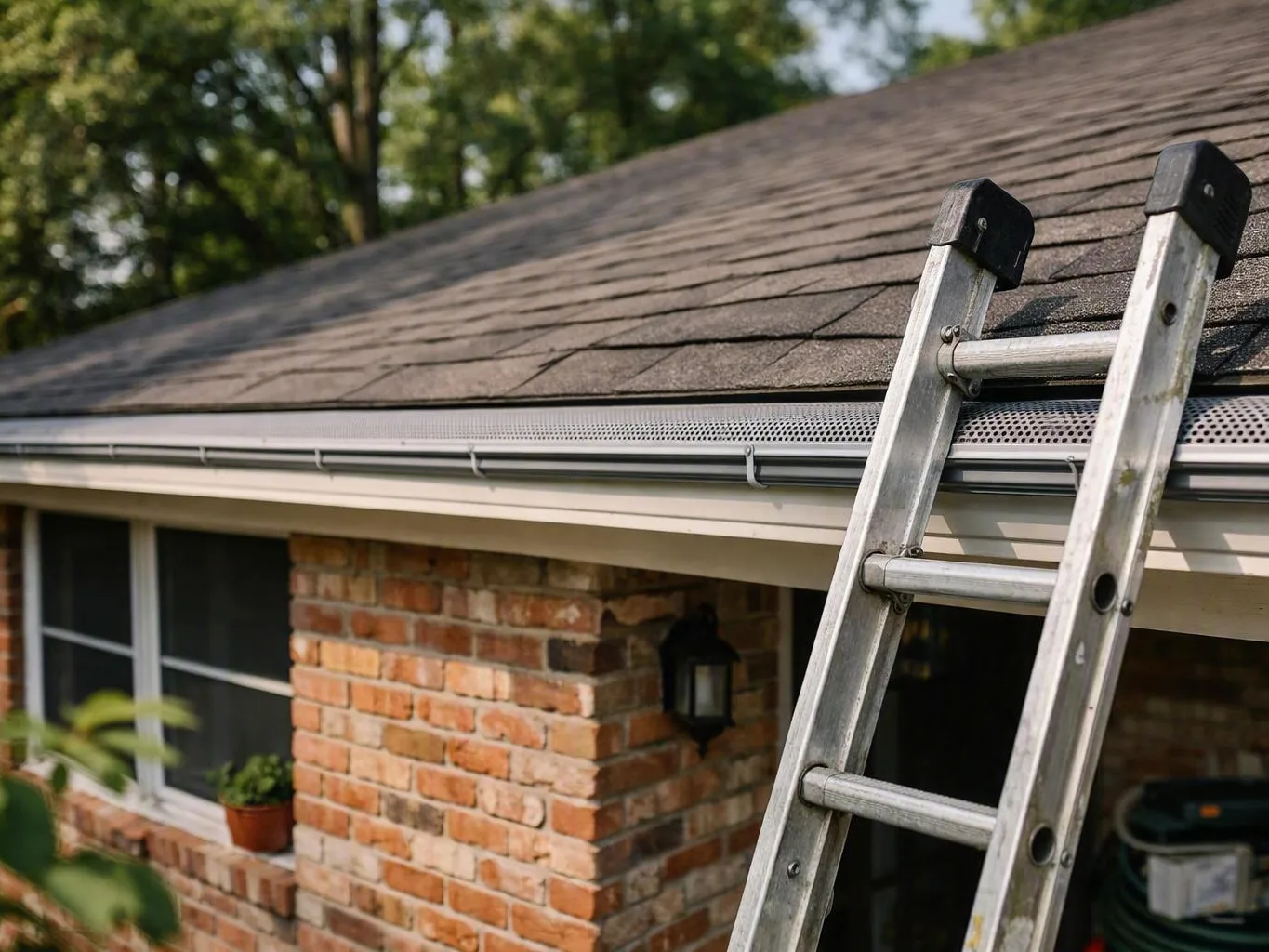
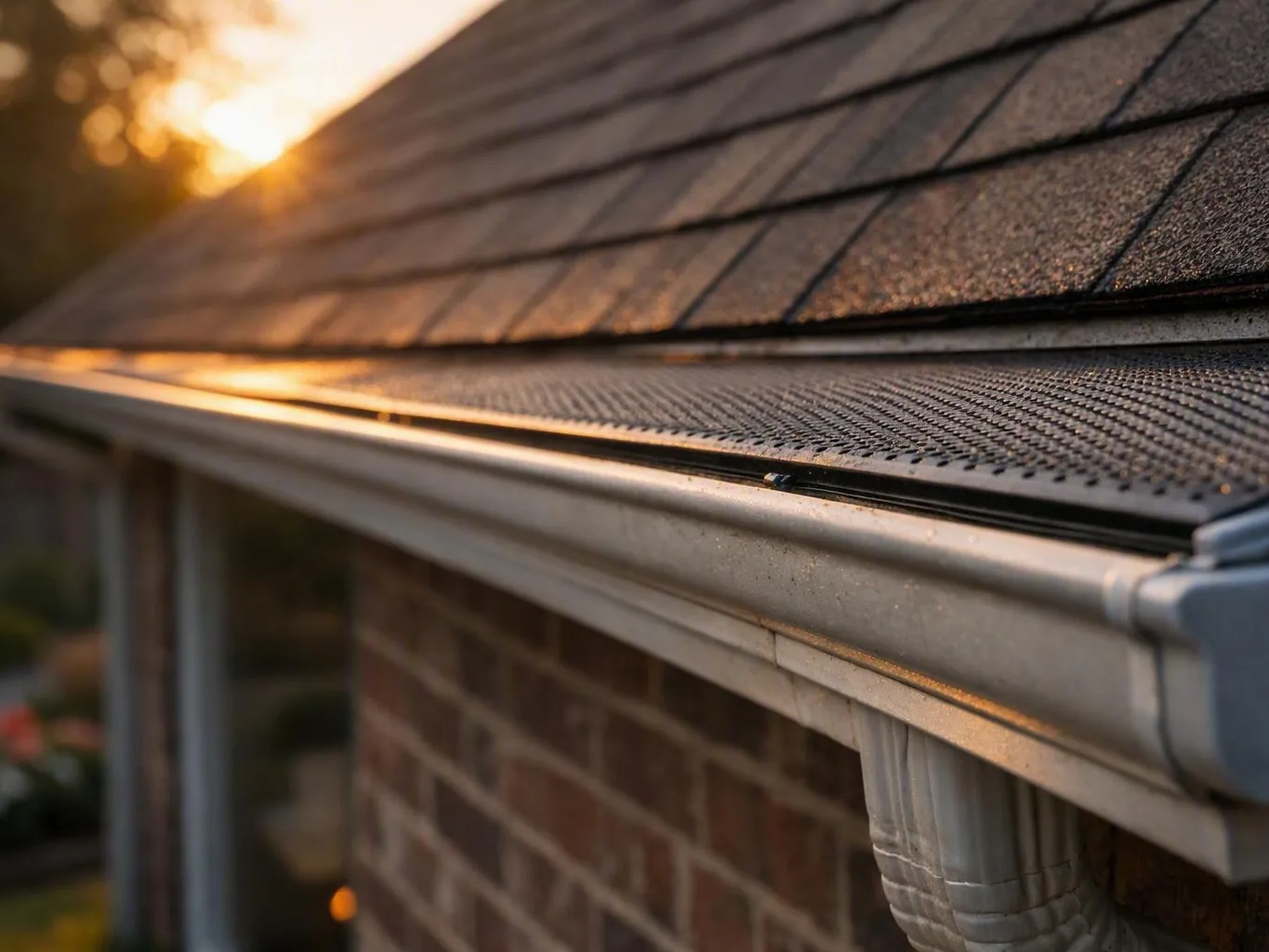
Your first deliverable is a drainage route check, with emergency dispatch or same-day scheduling when urgent water threatens access.
Memphis, TN
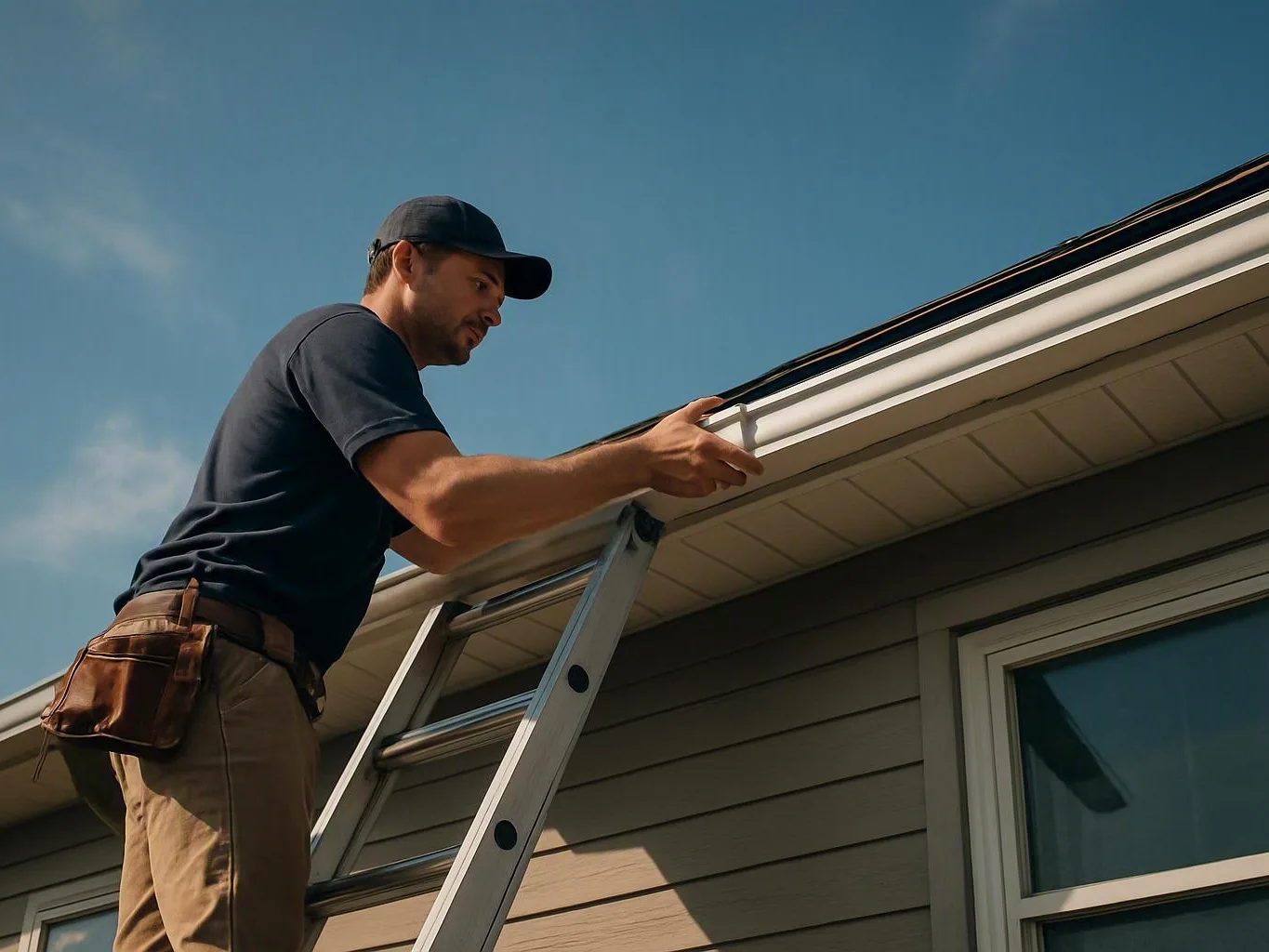
A shop near Beale Street finds water crossing its customer entry after a storm. In Memphis, TN, the owner needs access protected before the next rain. We trace the outlet, isolate the wet path, and suggest a safe surface extension. The first step is to keep people away from standing water.
Limited yard access can complicate work at a Memphis, TN rental home. Property managers must coordinate entry with tenants and avoid blocked walks. We check the downspout, soil grade, fence line, and nearby doors before choosing a route. The crew can document the plan, fit the extension, and note upkeep needs after the water test. This helps prevent a rushed outlet that drains beside another unit.
A buyer comparing homes in Memphis, TN notices soft soil beside the foundation. The seller wants facts before listing the property or entering a busy trading period. We inspect the outlet, check the grade, and test water flow from a safe access point. The report can show whether an extension is suitable or whether another drainage issue needs attention.