
What is Splash Block?
Splash Block is a shallow, sloped device placed below a downspout outlet to direct roof runoff away from a building foundation. Usually made from concrete, plastic, or molded rubber, a splash block reduces soil erosion and standing water near the wall. It works best on stable ground with a clear drainage path.
Quick Facts About Splash Block
Category
Downspout drainage component
Used for
Directing roof runoff away from foundations
Common confusion
Not the same as a downspout extension
Also called
Downspout Splash Block, Gutter Splash Block
Often discussed with
Downspout Installation, Downspout Extensions
Key Takeaways About Splash Block
- A splash block sits beneath a downspout and guides discharge away from the foundation.
- The device reduces soil erosion, puddling, and repeated wetting near exterior walls.
- A splash block needs stable placement and a drainage path that does not point toward another structure.
- It does not replace a clogged gutter, damaged downspout, or serious drainage correction.
- Longer downspout extensions may work better where runoff travels across flat or compacted ground.
Understanding Splash Block
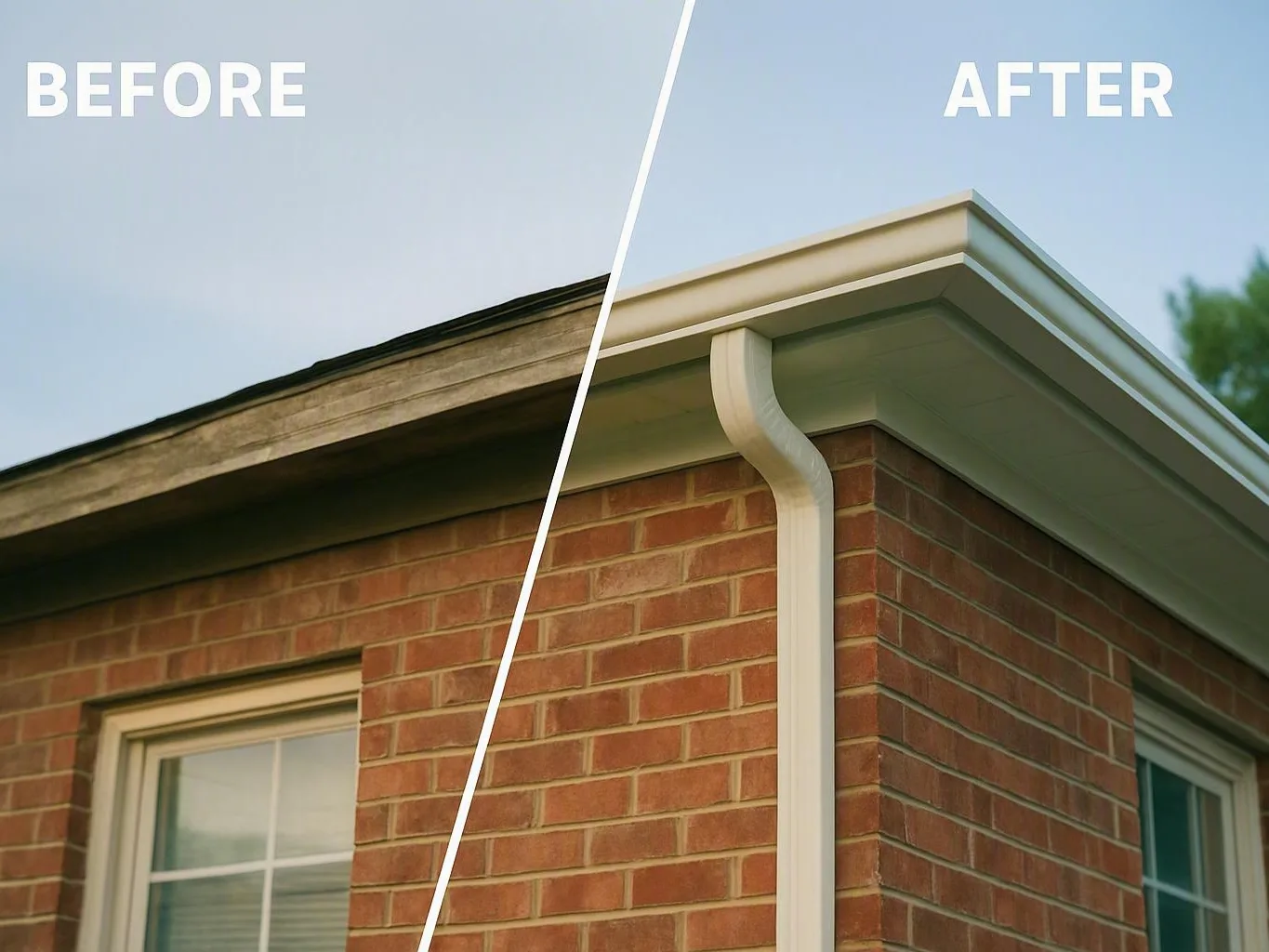
Splash Block is a shallow channel. It receives water from a downspout. It directs the flow away from a building. Most models have a raised back edge, a sloped base, and an open front. Common materials include concrete, molded plastic, and rubber. The shape spreads and slows water before it reaches surrounding soil.
Related glossary terms: Downspout, Runoff, Stormwater.
A splash block doesn't store rainwater or move it through a buried pipe. It provides a short, visible route across the surface. The outlet should point toward a safe drainage area. It shouldn't point toward the foundation, a walkway, a neighboring property, or another structure. Correct placement matters as much as the block itself.
How Splash Block Works, Is Measured, or Is Used?
Rain enters the gutter. It travels through the downspout and exits onto the rear of the splash block. The sloped surface carries water outward. It lowers the chance that a stream will cut a trench beside the wall. A typical installation places the block directly below the outlet. Its open end faces the intended drainage route.
Evaluation focuses on fit, slope, and discharge direction. It doesn't focus on one standard size. The block should sit level from side to side. It should remain stable during heavy rain. It should stay in contact with the soil or paved surface. Check the downspout outlet after rainfall. Water should leave the block without flowing backward. It shouldn't pool underneath or wash soil around its edges.
Why Splash Block Matters?
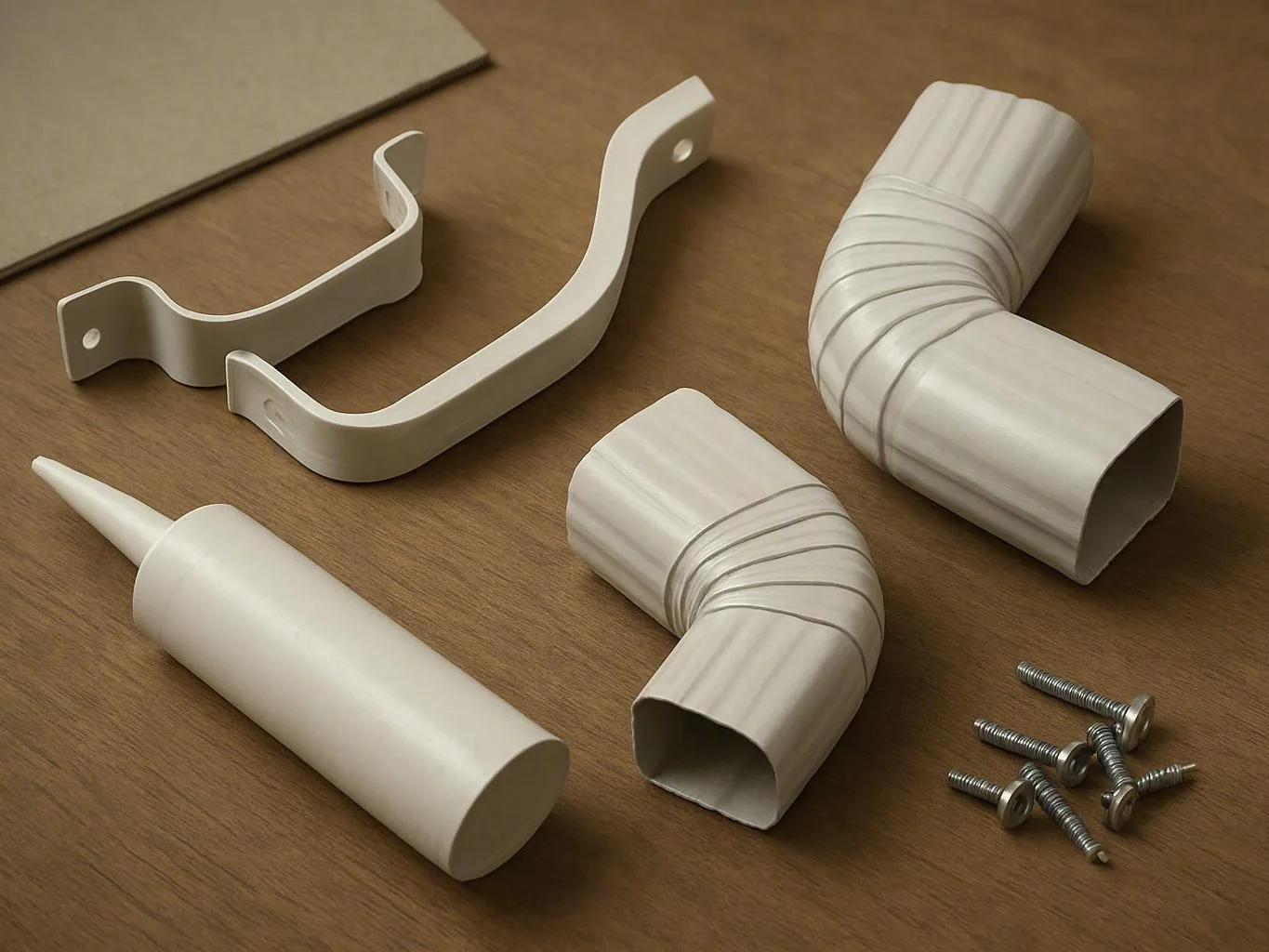
Roof runoff can saturate soil near a foundation. It can also remove soil around the building perimeter. A splash block creates space between the downspout outlet and the wall. This helps protect landscaping and reduces visible erosion. It also makes drainage easier to inspect. The water path remains above ground.
The device has limits. A short block may not carry water far enough on flat ground. A lightweight plastic model may shift during strong flow. If water still collects beside the building, another problem may exist. Poor grading, a blocked outlet, or a damaged gutter may cause it. You may need a downspout extension or buried drainage line.
When Splash Block Matters Most?
Placement becomes especially important when the roof has a large drainage area. It also matters when soil erodes easily or the building sits near a slope. Placement matters beside basements, crawl spaces, retaining walls, and finished landscaping. Inspect the area after a heavy storm. Look for displaced soil, stains on the wall, or standing water. Check for a block that has moved.
Choose a larger or stronger option when water volume exceeds the block's capacity. A longer surface extension may suit a broad lawn. An underground system may suit a narrow side yard. It may also suit a location near a property line. Keep the outlet accessible for cleaning. Confirm that runoff doesn't create a hazard on a walkway or driveway.
How to Evaluate Splash Block?
- Confirm that the block sits directly beneath the downspout outlet without a gap that spills water beside the foundation.
- Watch the discharge during heavy rain for backward flow, pooling, trenching, or soil movement.
- Check whether the block remains stable and aligned after storms, lawn work, and seasonal ground movement.
- Measure the available drainage path and verify that water does not reach a walkway, neighboring lot, or structure.
- Inspect gutters and downspouts first, since restricted flow can make a splash block appear ineffective.
Related Concepts Compared
Splash Block vs. Downspout Extension
A downspout extension carries water farther from the outlet, while a splash block spreads water across a short surface channel. Some systems use both components.
Splash Block vs. Catch Basin
A catch basin collects surface water and sends it into a drainpipe. A splash block remains open and directs water across the ground.
Splash Block vs. Scupper
A scupper is an opening that drains water through a wall or parapet. A splash block manages water after it leaves a downspout.
Splash Block vs. Runoff
Runoff is water flowing across a surface after rain. A splash block is a physical component that helps control one concentrated source of runoff.
Expert Note
A splash block should not rest against siding or bridge a gap toward the foundation. Set the outlet so water moves downhill, then check the soil after several storms. Persistent wetness usually points to a grading or drainage issue rather than a defective block.
Common Mistakes or Myths About Splash Block
- Installing the block backward so the outlet directs water toward the foundation.
- Placing a lightweight block on loose soil without checking whether it shifts during storms.
- Assuming a splash block fixes water that originates from poor grading or a blocked downspout.
- Allowing grass, mulch, or sediment to block the discharge path.
- Pointing runoff onto a sidewalk, driveway, neighboring property, or another building.
Splash Block in Practice: A Real-World Example
A downspout releases rain beside a home and creates a shallow trench in the mulch. A concrete splash block placed beneath the outlet directs the flow across the lawn and reduces further erosion. If water still reaches the wall, a longer downspout extension may be needed.
Related Services
Related Terms
Downspout
Downspout is a vertical pipe that carries water from a gutter to the ground or a…
Runoff
Runoff is water from rain, melting snow, or irrigation that flows across roofs, soil, pavement, and…
Stormwater
Stormwater is rainwater or melted snow that flows over roofs, pavement, soil, and other surfaces instead…
Catch Basin
Catch Basin is a covered drainage container that collects surface water and traps leaves, soil, and…
All Pro Roofing and Gutters
Have Questions About Splash Block?
Contact All Pro Roofing and Gutters for practical guidance on Splash Block and related gutter installation and gutter guards work in Memphis.