
What is a Stormwater?
Stormwater is rainwater or melted snow that flows over roofs, pavement, soil, and other surfaces instead of soaking into the ground. Stormwater carries sediment, leaves, oil, chemicals, and other pollutants into drains, streams, rivers, and lakes. Gutters, downspouts, grading, and drainage features help direct and manage this flow. For more detail, see How Much Does a Gutter-Connected Rainwater Harvesting System Cost?.
Quick Facts About Stormwater
Category
Water management and drainage
Used for
Controlling rainfall runoff
Common confusion
Stormwater is not the same as wastewater
Also called
Rainwater runoff, Storm runoff
Often discussed with
Gutter Installation, Downspout Extensions
Key Takeaways About Stormwater
- Stormwater includes rainfall runoff from roofs, driveways, streets, and other hard surfaces.
- Gutters and downspouts guide roof runoff away from walls, foundations, and landscaped areas.
- Uncontrolled flow can carry soil, debris, oil, and other pollutants into waterways.
- Drainage design should account for rainfall intensity, surface area, slope, soil, and discharge location.
Understanding Stormwater
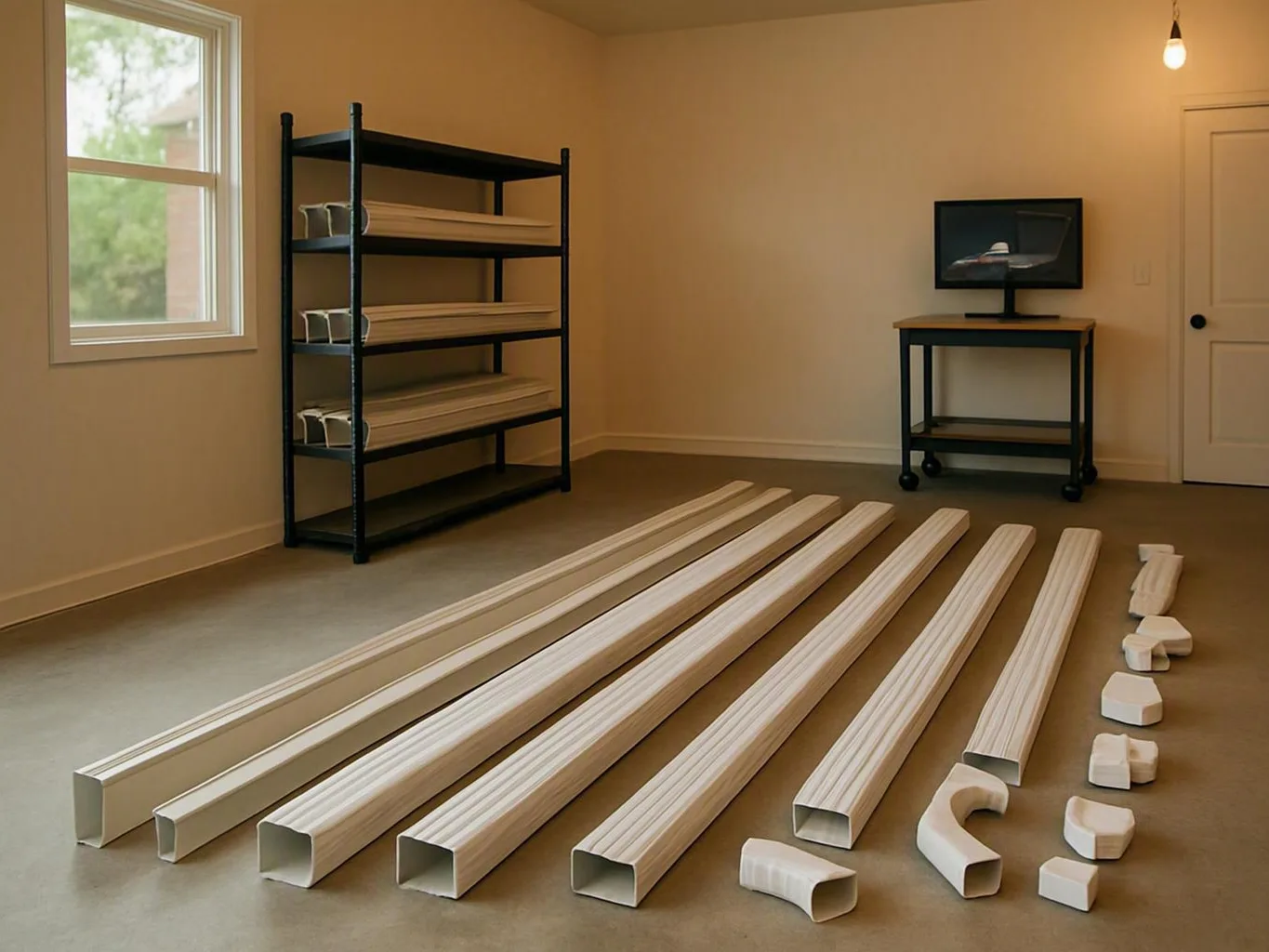
Stormwater is water from rain or melting snow that moves across land or built surfaces. Natural ground can absorb much of this water. Roofs, concrete, asphalt, and compacted soil reduce infiltration. The water then travels downhill toward a drainage system, stream, pond, or low area.
Related glossary terms: Runoff, Catch Basin, Best Management Practice.
As runoff moves, it can pick up sedimentleaves, fertilizer, oil, metals, and other pollutants. A roof usually contributes cleaner runoff than a parking area. Roof debris can still enter gutters and downspouts. Good drainage separates water from building components. It slows or filters flow before reaching a waterway.
How Stormwater Works, Is Measured, or Is Used?
Rainfall first lands on a surface. It then either infiltrates the soil, evaporates, or becomes runoff. Runoff amounts depend on rainfall intensity, storm duration, surface area, slope, and soil type. They also depend on the percentage of hard surface. A common engineering method estimates peak flow with the rational method. It uses Q = C × i × A. Q is peak flow, C is the runoff coefficient, i is rainfall intensity, and A is drainage area.
Homes commonly manage roof runoff through gutters, downspouts, extensions, splash blocks, and underground drainage. A gutter collects water at the roof edge. It sends water to a controlled discharge point. A catch basin, rain garden, dry well, or other best management practice may handle runoff. These systems help manage larger or more complex areas.
Drainage professionals review the roof area, gutter slope, downspout spacing, outlet location, and receiving ground. They also inspect whether soil can absorb water. They check whether flow will remain at the surface. Local rainfall data and applicable building or drainage rules help determine system capacity. This review shows whether the system can handle expected storms.
Why Stormwater Matters?
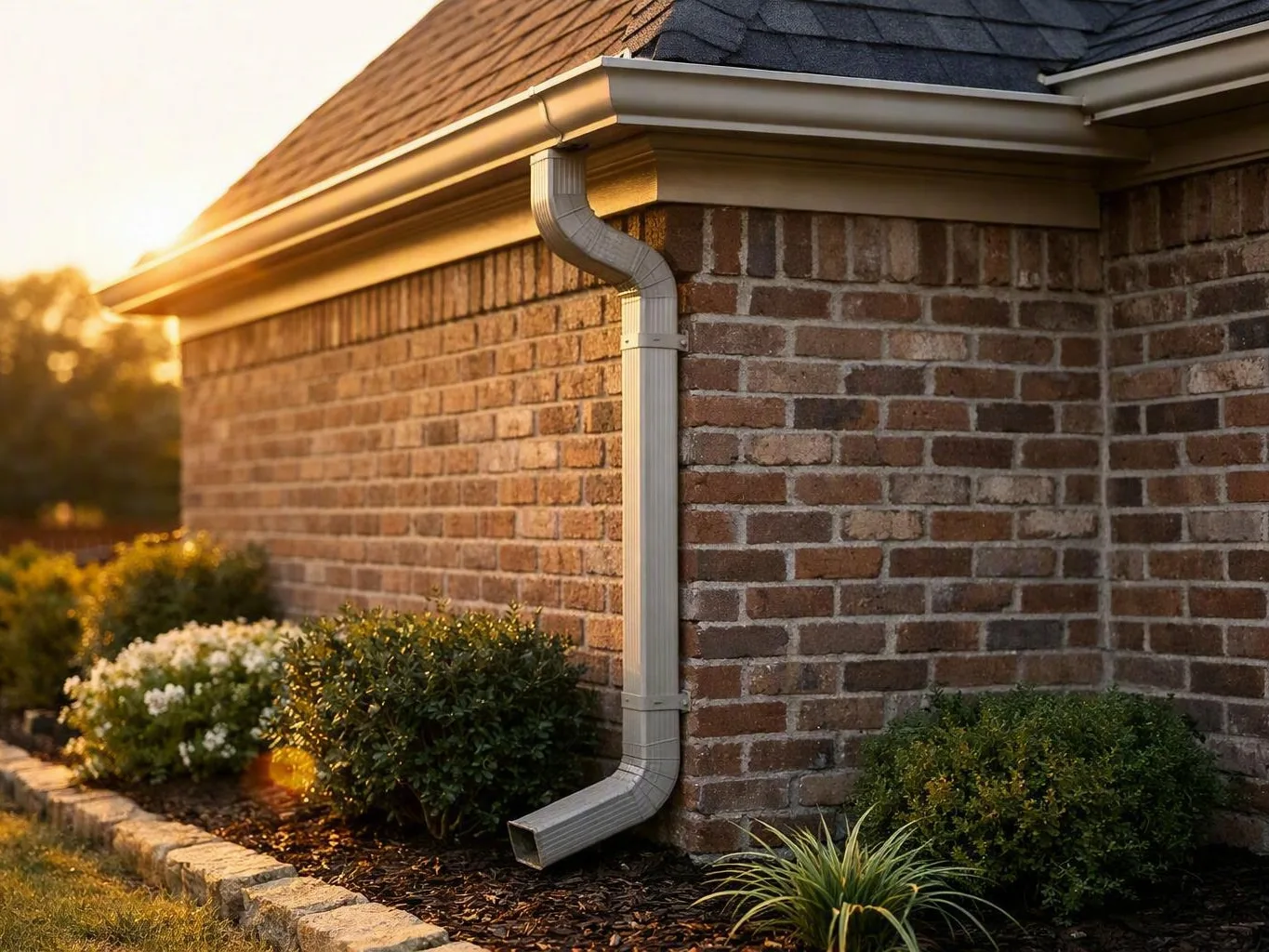
Uncontrolled runoff can erode soil, stain siding, saturate planting beds, and collect beside a foundation. Repeated wetting may contribute to basement moisture, crawl-space humidity, settlement, or scene damage. Water that leaves a property too quickly can increase nearby channel flow. It can also increase pollution in nearby drainage channels.
Stormwater planning helps property owners protect structures. It also helps reduce harm to nearby waterways. A properly directed roof discharge keeps water away from vulnerable walls and foundation edges. Leaf guards can reduce gutter blockage. They don't replace adequate slope, outlet capacity, or routine inspection.
When Stormwater Matters Most?
Stormwater deserves close attention after heavy rain, roof replacement, landscaping changes, driveway work, or nearby construction. These changes can alter the amount, speed, or direction of runoff. Watch for overflowing gutters, standing water, soil channels, washed mulch, stained foundation walls, and water flowing toward a neighbor's property.
Memphis properties can face intense rainfall, clay-rich soil, mature trees, and flat or gently sloped lots. These conditions make discharge location and soil absorption important design questions. During an evaluation, check downspout distance from the foundation. Check whether outlets remain open. Check whether water reaches a stable area without causing erosion.
How to Evaluate Stormwater?
- Check whether gutters and downspouts carry roof water away from walls and foundation edges.
- Look for overflow marks, standing water, erosion channels, basement moisture, or washed-out landscaping after rainfall.
- Measure the roof drainage area and compare it with gutter size, downspout capacity, and outlet conditions.
- Confirm that extensions, splash blocks, catch basins, or underground lines discharge to stable locations.
- Ask whether local drainage rules apply to changes in grading, construction, or concentrated runoff.
Related Concepts Compared
Stormwater vs. Runoff
Runoff is water that flows over a surface rather than soaking into the ground. Stormwater usually describes runoff caused by rain or snow, especially when drainage and pollution control are involved.
Stormwater vs. Wastewater
Wastewater comes from homes, businesses, or industrial processes and may contain sewage or process contaminants. Stormwater comes from precipitation and usually enters a separate drainage system.
Stormwater vs. Rainwater Harvesting
Rainwater harvesting collects and stores precipitation for later use. Stormwater management covers the broader control, treatment, infiltration, and discharge of rainfall runoff.
Stormwater vs. Best Management Practice
A best management practice is a method or feature that controls runoff or reduces pollution. Stormwater is the water being managed, not the control method itself.
Expert Note
A gutter system can move roof runoff efficiently and still create a drainage problem if its outlet ends beside the foundation. Inspect the discharge area, soil condition, and flow path, not just the gutter channel.
Common Mistakes or Myths About Stormwater
- Treating gutter overflow as a gutter problem without checking downspout outlets and drainage paths.
- Ending downspouts beside the foundation because the discharge point is hidden from view.
- Assuming leaf guards prevent all maintenance, overflow, or drainage problems.
- Ignoring runoff changes after adding a roof section, patio, driveway, or retaining wall.
Stormwater in Practice: A Real-World Example
A Memphis house has overflowing gutters during summer thunderstorms, and mulch washes from the front bed. An inspection finds a clogged outlet and a short downspout extension that releases water beside the foundation. Cleaning the outlet and redirecting the discharge reduces concentrated stormwater flow in that area.
Related Services
Related Terms
Runoff
Runoff is water from rain, melting snow, or irrigation that flows across roofs, soil, pavement, and…
Catch Basin
Catch Basin is a covered drainage container that collects surface water and traps leaves, soil, and…
Best Management Practice
Best Management Practice is a proven method, procedure, or control used to achieve a desired result…
All Pro Roofing and Gutters
Have Questions About Stormwater?
Contact All Pro Roofing and Gutters for practical guidance on Stormwater and related gutter installation and gutter guards work in Memphis.