
What is Low Impact Development?
Low Impact Development is a land planning and stormwater management approach that uses soil, plants, and small drainage features to manage rainfall near where it lands. The approach reduces runoff, erosion, flooding, and pollution by imitating natural water movement.
Quick Facts About Low Impact Development
Category
Stormwater planning and site design
Used for
Managing rainfall near its source
Common confusion
Not the same as rainwater harvesting
Also called
LID, Low-Impact Development
Often discussed with
Rain Garden Gutter and Downspout Retrofits, Stormwater-Credit Rainwater Harvesting Gutter Systems
Key Takeaways About Low Impact Development
- Low Impact Development keeps more rainfall near its source instead of sending it quickly into storm drains.
- Rain gardens, swales, permeable pavement, and cisterns are common Low Impact Development practices.
- Designers must match each practice to soil, slope, rainfall, drainage area, and maintenance needs.
- The approach can reduce runoff volume, peak flow, erosion, and pollutants reaching local waterways.
- Gutters and downspouts can direct roof runoff into approved Low Impact Development features.
Understanding Low Impact Development
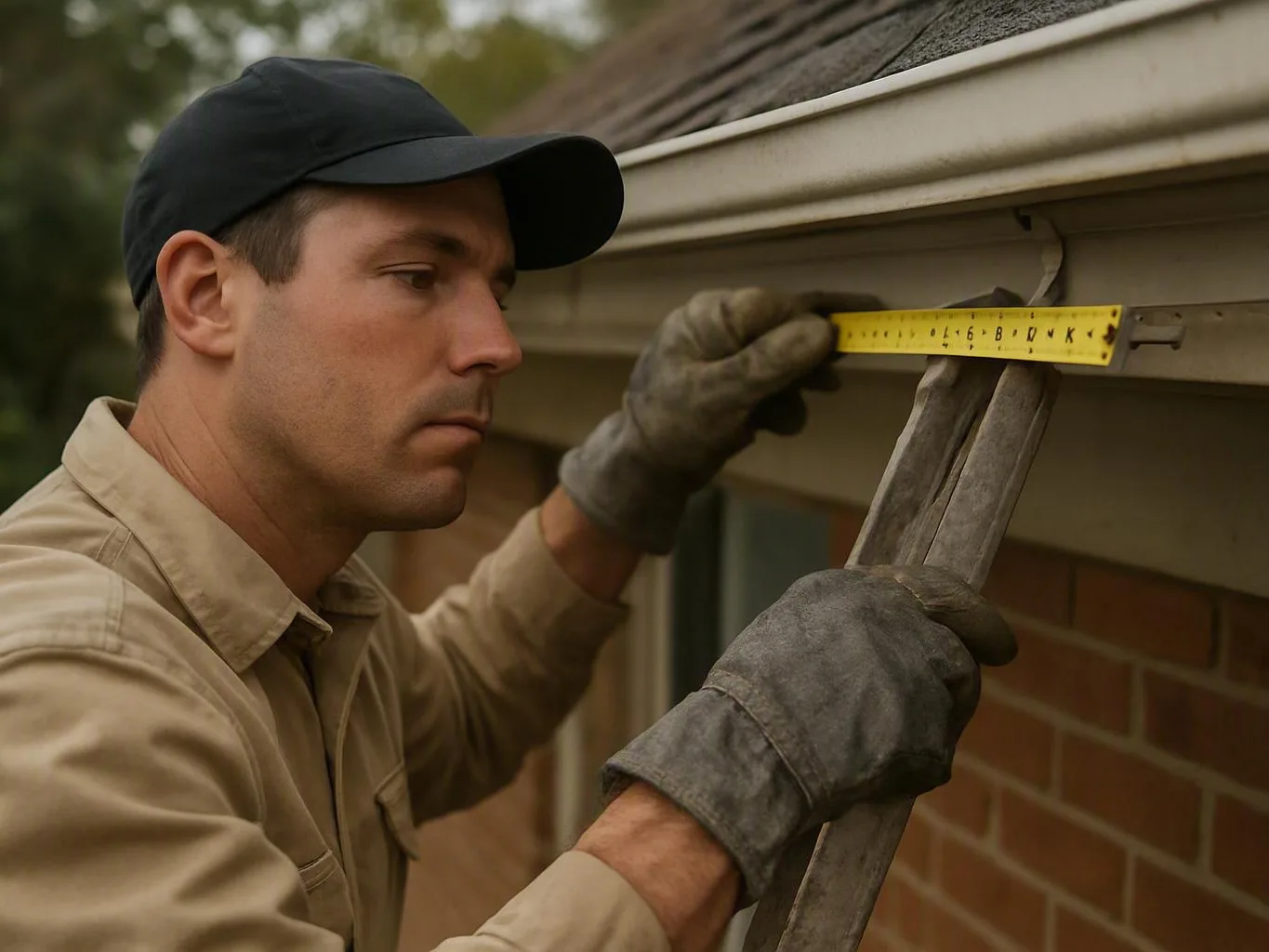
Low Impact Development is a planning and design method. It manages rainfall close to where rain reaches the ground. Instead of moving runoff through large pipes and channels, the method uses several features. These features include soil, native plantsand small drainage tools. They slow, filter, store, and soak up water. The goal is to protect parts of the natural water cycle after land is developed.
Related glossary terms: Best Management Practice, Catch Basin, Rain Barrel.
Common features include rain gardens, vegetated swales, permeable pavement, infiltration beds, rain barrels, and cisterns. A roof gutter system may feed a rain garden or storage tank. It may use a controlled downspout connection. Each feature needs a suitable location and enough storage space. It also needs an overflow path for larger storms.
How Low Impact Development Works, Is Measured, or Is Used?
Designers first identify the drainage area, surface type, slope, soil, and groundwater conditions. They also identify the receiving waterway. They estimate rainfall for each surface. Then, they decide if water should soak in, evaporate, stay stored, or leave through an outlet. Soil tests and infiltration tests show if a site can absorb water fast enough.
Performance is often measured through runoff volume, peak discharge, and pollutant reduction. A basic runoff estimate uses rainfall depth, drainage area, and a runoff coefficient. This number shows how much water leaves a surface. For example, a large roof usually creates more runoff than a planted area. Designers also check drawdown time, overflow safety, sediment buildup, and maintenance access.
The installation order depends on the feature. A typical project protects the drainage area and directs roof or pavement runoff. It removes unwanted sediment and places engineered soil or stone. Workers install plants and create a stable overflow route. Gutters and downspouts must stop water from washing away soil. Filters, pretreatment areas, and inspection points can keep leaves and sediment from reducing capacity.
Why Low Impact Development Matters?

Low Impact Development can reduce stormwater speed and volume at a developed site. Slower runoff gives soil more time to absorb water. It also gives plants and media more time to capture sediment and some pollutants. These effects can reduce erosion downstream. They can also reduce pressure on storm drains during normal rain events.
The approach also changes site choices before construction starts. A project may preserve existing trees and reduce paved areas. It may place buildings away from natural drainage paths. It may also divide runoff among several smaller features. This can support drainage goals while keeping useful outdoor space. The result depends on proper design, construction, inspection, and long-term care. The feature name alone doesn't ensure success.
When Low Impact Development Matters Most?
Low Impact Development helps most on sites with growing roofs, parking areas, or compacted soil. It also helps where storm-drain capacity is limited. It matters near streams, wetlands, and properties with ponding or erosion. A designer should review local drainage rules, soil limits, utility locations, and property lines. They should also review the planned maintenance schedule before choosing a practice.
Roof runoff often offers a useful starting point. Gutters collect water from a known area. A downspout extension can direct water toward a rain garden or storage system. The receiving feature must have enough capacity and a safe overflow route. Leaves, sediment, clogged outlets, and damaged gutters can reduce performance. Regular inspection should follow major storms and seasonal debris buildup.
How to Evaluate Low Impact Development?
- Measure the drainage area and estimate runoff from roofs, pavement, compacted soil, and planted surfaces.
- Confirm that soil infiltration testing supports the proposed feature and expected drainage time.
- Check whether the design controls both routine runoff and overflow during larger storms.
- Inspect gutters, downspouts, inlets, outlets, plants, sediment levels, and erosion at least seasonally.
- Review local stormwater requirements, utility locations, easements, and maintenance responsibilities before construction.
Related Concepts Compared
Low Impact Development vs. Green Infrastructure
Green infrastructure is a broad category that includes natural and engineered systems for managing water and other environmental needs. Low Impact Development is a planning approach within that broader category, focused on handling runoff near its source.
Low Impact Development vs. Rainwater Harvesting
Rainwater harvesting collects and stores rain for later use, such as irrigation. Low Impact Development may include storage, but it also covers infiltration, filtration, evapotranspiration, and runoff reduction.
Low Impact Development vs. Best Management Practice
A Best Management Practice is a specific action or facility used to control stormwater or another environmental concern. Low Impact Development is a site planning strategy that may combine several best management practices.
Low Impact Development vs. Stormwater Detention
Detention temporarily stores runoff and releases it at a controlled rate, often through a basin or tank. Low Impact Development seeks to manage water through source control, infiltration, vegetation, and distributed storage before runoff concentrates.
Expert Note
A Low Impact Development feature is only as reliable as its overflow route and maintenance plan. A rain garden that receives roof water but lacks pretreatment can fill with leaves and sediment, while compacted soil can prevent infiltration even when the surface design appears correct.
Common Mistakes or Myths About Low Impact Development
- Treating a rain barrel as a complete stormwater solution for every roof and storm.
- Sending concentrated downspout flow into a feature without erosion control or overflow protection.
- Skipping soil testing and assuming every yard can absorb water at the same rate.
- Ignoring maintenance, which allows leaves, sediment, weeds, or clogged outlets to reduce capacity.
- Placing an infiltration feature too close to a foundation, septic system, utility, or property line.
Low Impact Development in Practice: A Real-World Example
A Memphis home directs two downspouts toward a planted rain garden sized for the roof drainage area. The garden uses amended soil, an overflow inlet, and native plants. During ordinary storms, water spreads through the garden and infiltrates gradually. During larger storms, the overflow route sends excess water away from the foundation.
Related Terms
Best Management Practice
Best Management Practice is a proven method, procedure, or control used to achieve a desired result…
Catch Basin
Catch Basin is a covered drainage container that collects surface water and traps leaves, soil, and…
Rain Barrel
Rain Barrel is a covered container that collects and stores rainwater from a roof, usually through…
Rainwater Harvesting
Rainwater Harvesting is the collection, conveyance, storage, treatment, and reuse of rain that falls on roofs…
All Pro Roofing and Gutters
Have Questions About Low Impact Development?
Contact All Pro Roofing and Gutters for practical guidance on Low Impact Development and related gutter installation and gutter guards work in Memphis.