When Copper Gutters Make Sense for Your Home
Copper gutters offer strong rainwater control and a unique look. They can last for many years with proper care. They often cost more than aluminum or galvanized steel gutters. Their long life can make that higher price worthwhile. This choice often suits historic, custom, or high-end homes. Copper doesn't need paint, but it still needs regular cleaning. Over time, it forms a protective patina. Copper gutters can work with rain barrels. The parts must match, and overflow must drain safely.
Get a Free Estimate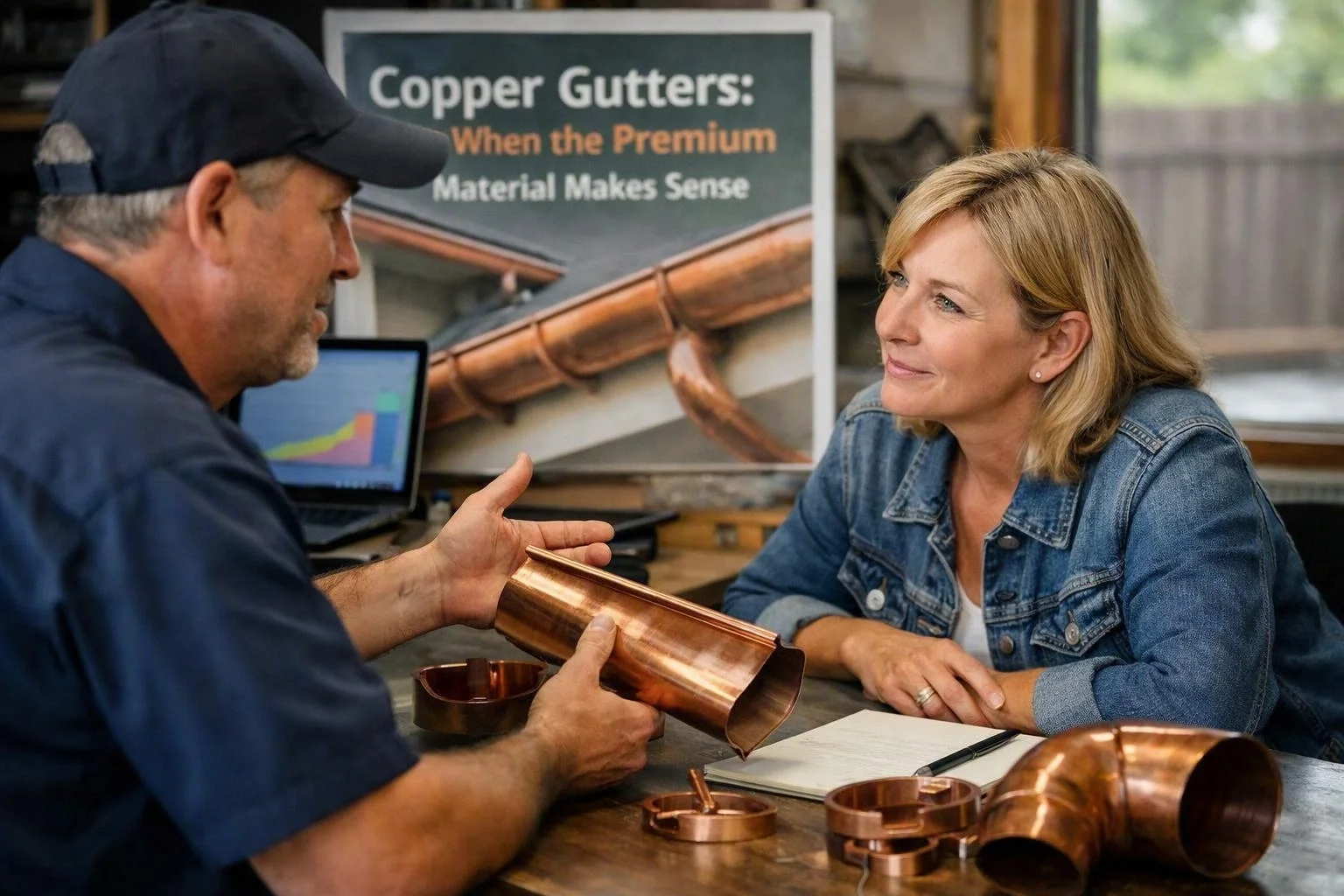
Why Homeowners Choose Copper Gutters?
Copper gutters suit homeowners who want lasting strength and a distinct look. They also fit homes with classic or historic styles. The material makes sense when design matters more than the lowest price. Your home style, roof shape, and plans should guide your choice.
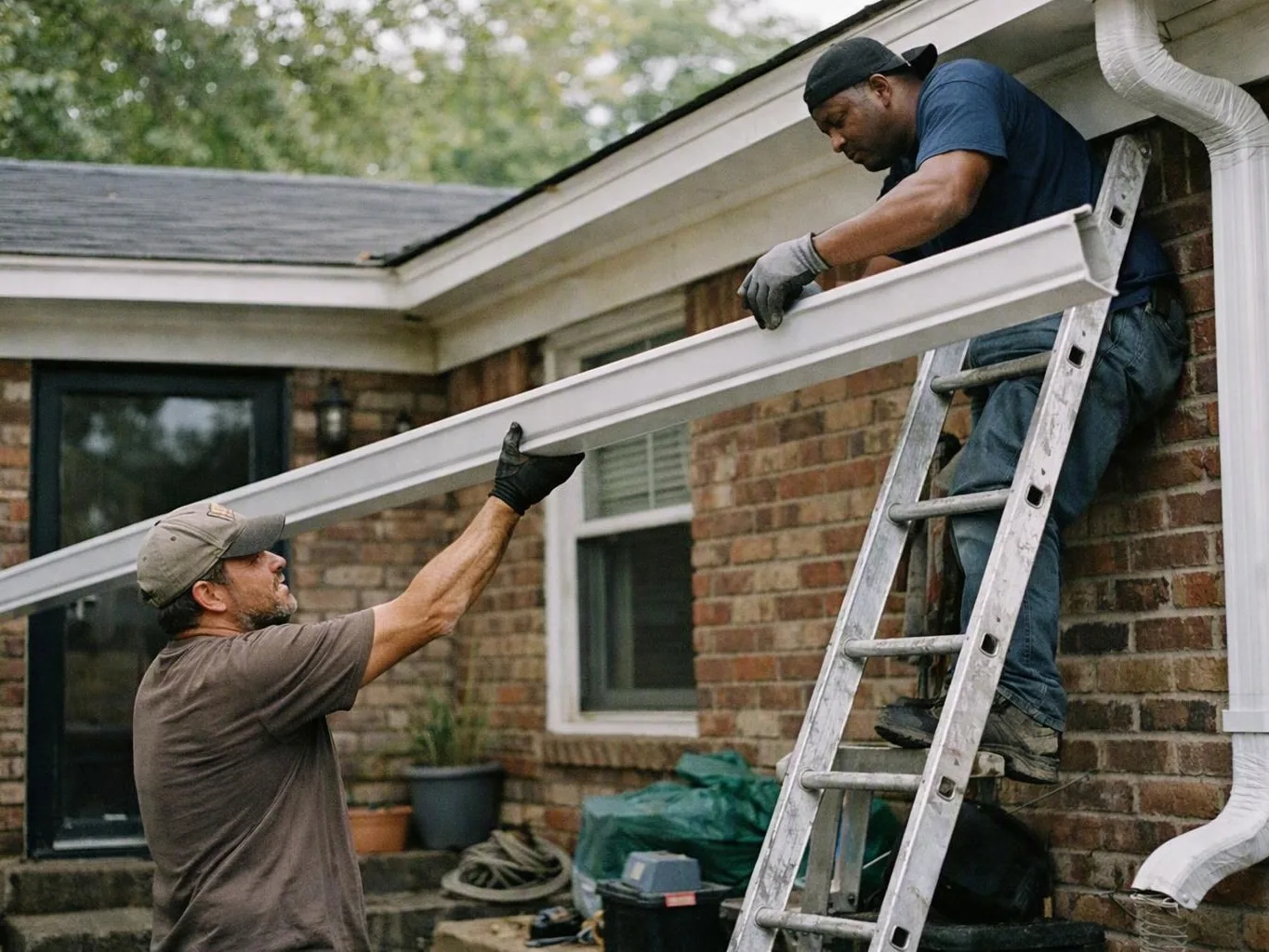
Roof size, pitch, and water flow still matter. A large or steep roof may need larger channels. It may also need more outlets and downspouts. Our team checks these details before copper gutter installation. Good looks shouldn't reduce system performance. All Pro Roofing and Gutters can help you review your options.
What Are Copper Gutters and How Do They Work?
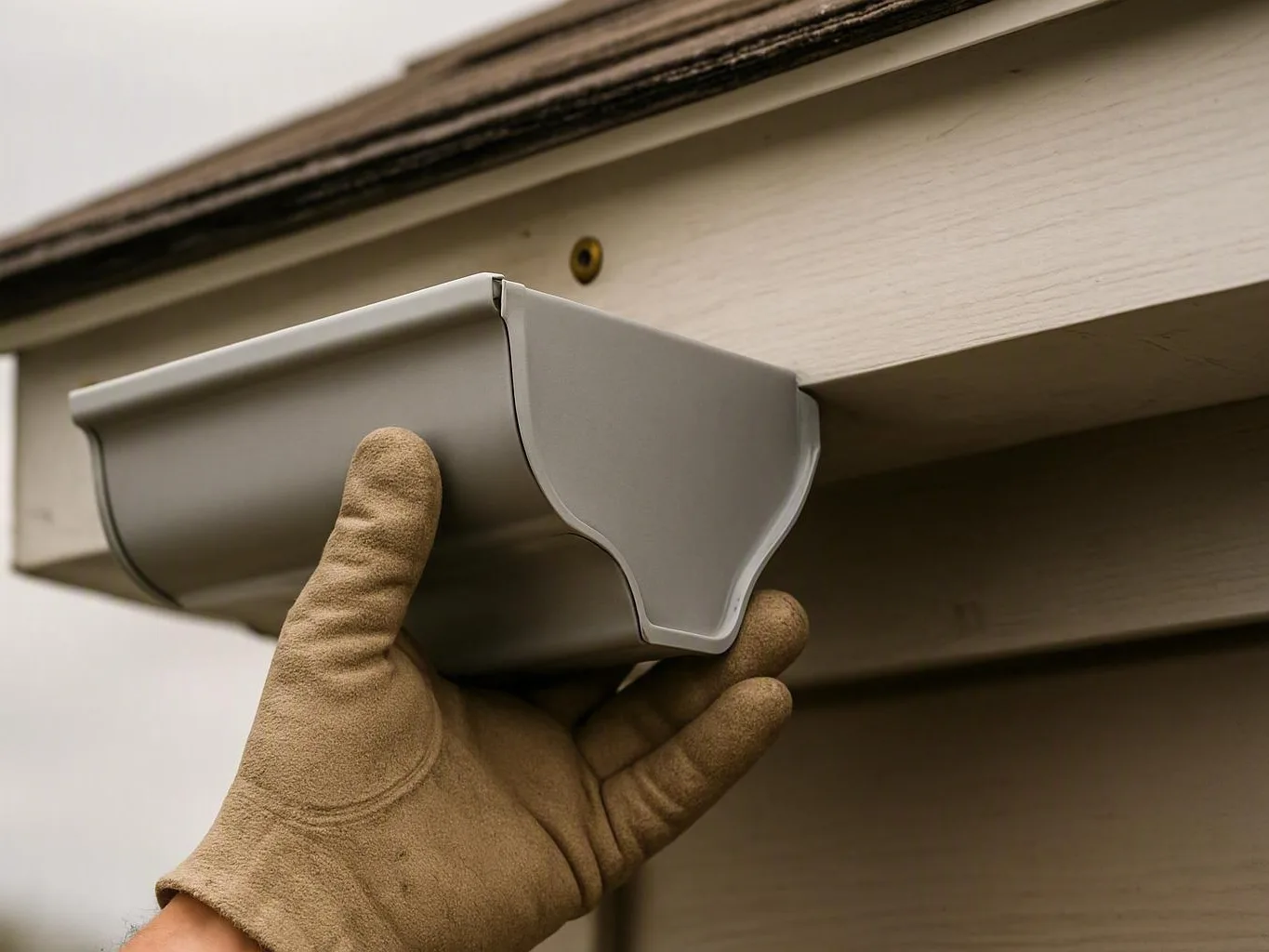
A copper gutter is a rainwater channel made from copper sheet metal. It catches roof water and moves it toward an outlet. A downspout then carries the water to a safe area. Installers shape the system to match the roofline. They also set the right slope for steady flow.
Many projects use seamless gutter sections. Corners, outlets, and connections still need careful work. Crews may form long sections at the home. They often make corners and special parts by hand. Hangers hold the channels in place. Downspouts carry water away from walls and foundations.
Exposed copper changes color over time. It may start bright and metallic. Then it may turn brown and blue-green. This change comes from a protective patina. The patina helps protect copper from the weather. It isn't peeling paint or a failed coating.
Correct pitch and outlet placement are vital. Strong metal can't fix poor drainage design. Small channels, blocked outlets, and bad discharge points cause problems.
Copper Gutter Features and Common Installation Challenges
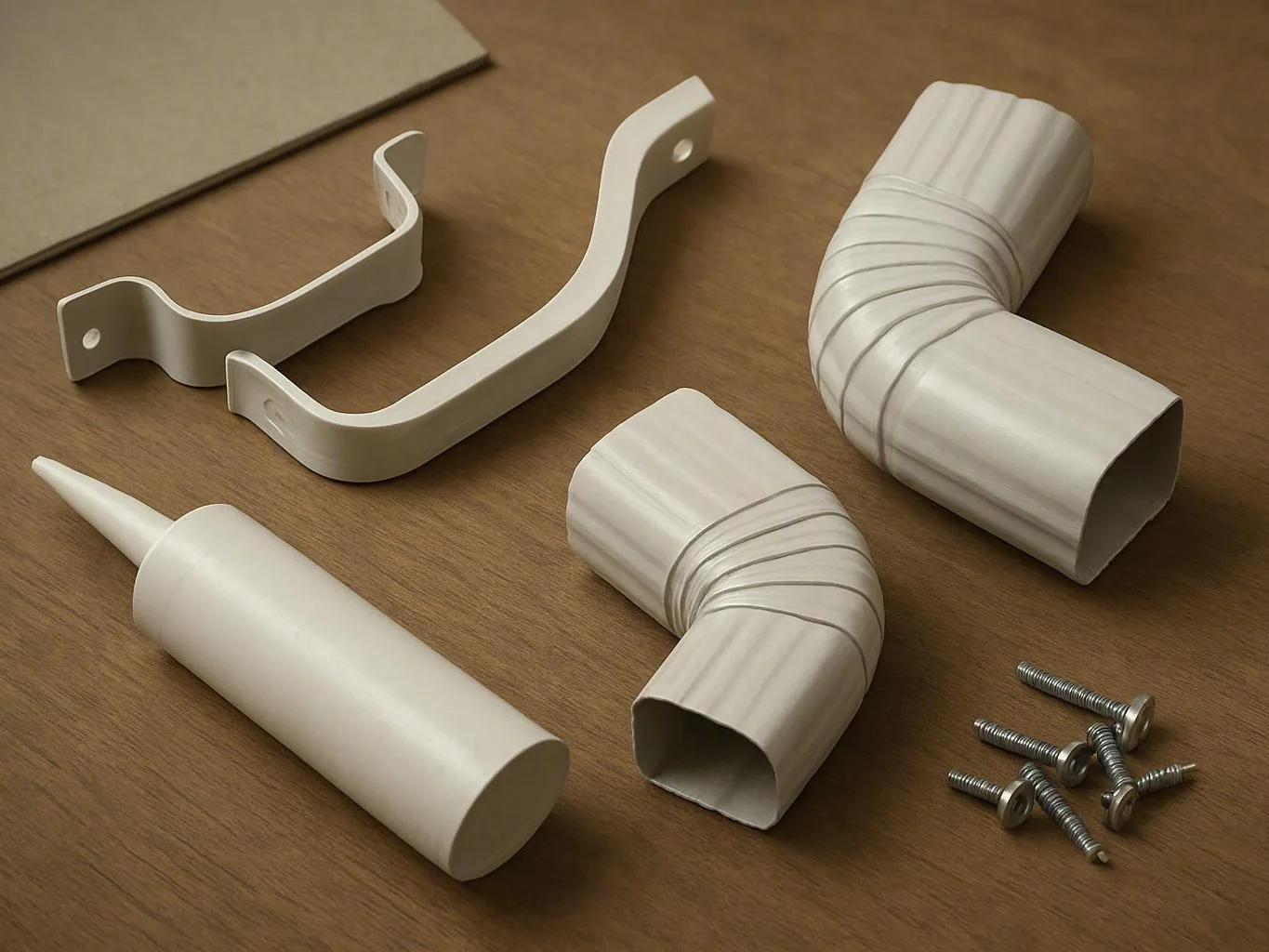
Soldered seams help make copper joints watertight. Properly fitted corners matter too. The system also needs matching hangers, fasteners, outlets, and downspouts. Copper thickness and gutter shape should match the roof.
Common challenges include high costs and special fabrication needs. Roof access can also affect the work. Copper may attract theft because it's valuable. Crews must prevent galvanic corrosion. This type of corrosion happens when wet copper touches the wrong metal. Matching hardware and separation materials help lower this risk.
Ask how the crew will support long gutter runs. Ask how they will manage expansion and protect finished surfaces. Also ask how water will reach the drainage area. A good plan matters as much as the final look. Our crews can explain when standard Gutter Installation may work better.
How Much Do Copper Gutters Cost?
Copper gutter cost depends on several parts of the job. These include length, thickness, size, shape, and roof access. Custom work and soldered joints often add labor costs. A written estimate should list each part of the project.
| Cost factor | Why it matters |
|---|---|
| Linear foot | Longer roof edges need more copper, hangers, seams, and labor. |
| Gutter size | Large or steep roofs may need wider channels. |
| Roof complexity | Valleys, dormers, corners, and hard access add custom work. |
| Labor | Soldering, shaping, and special fitting need skilled labor. |
| Downspout installation | Downspout length, elbows, outlets, and drainage change the job scope. |
Many homes need several downspouts. The right number depends on roof size, pitch, and rain levels. Outlet placement matters too. These details should be measured instead of guessed. Custom corners and soldered seams can extend the job past one day.
Our team can provide Copper Gutter Installation in Memphis when it's a good fit. The same planning steps work in other areas too. Your estimate should list copper thickness, shape, fasteners, removal, and disposal. It should also show where each downspout sends water.
Are Copper Gutters Worth the Cost?
Copper gutters can be worth the cost when appearance and long life matter. They also suit owners who want less painting. Copper may work well for custom homes and historic properties. It may not fit short-term owners or tight budgets.
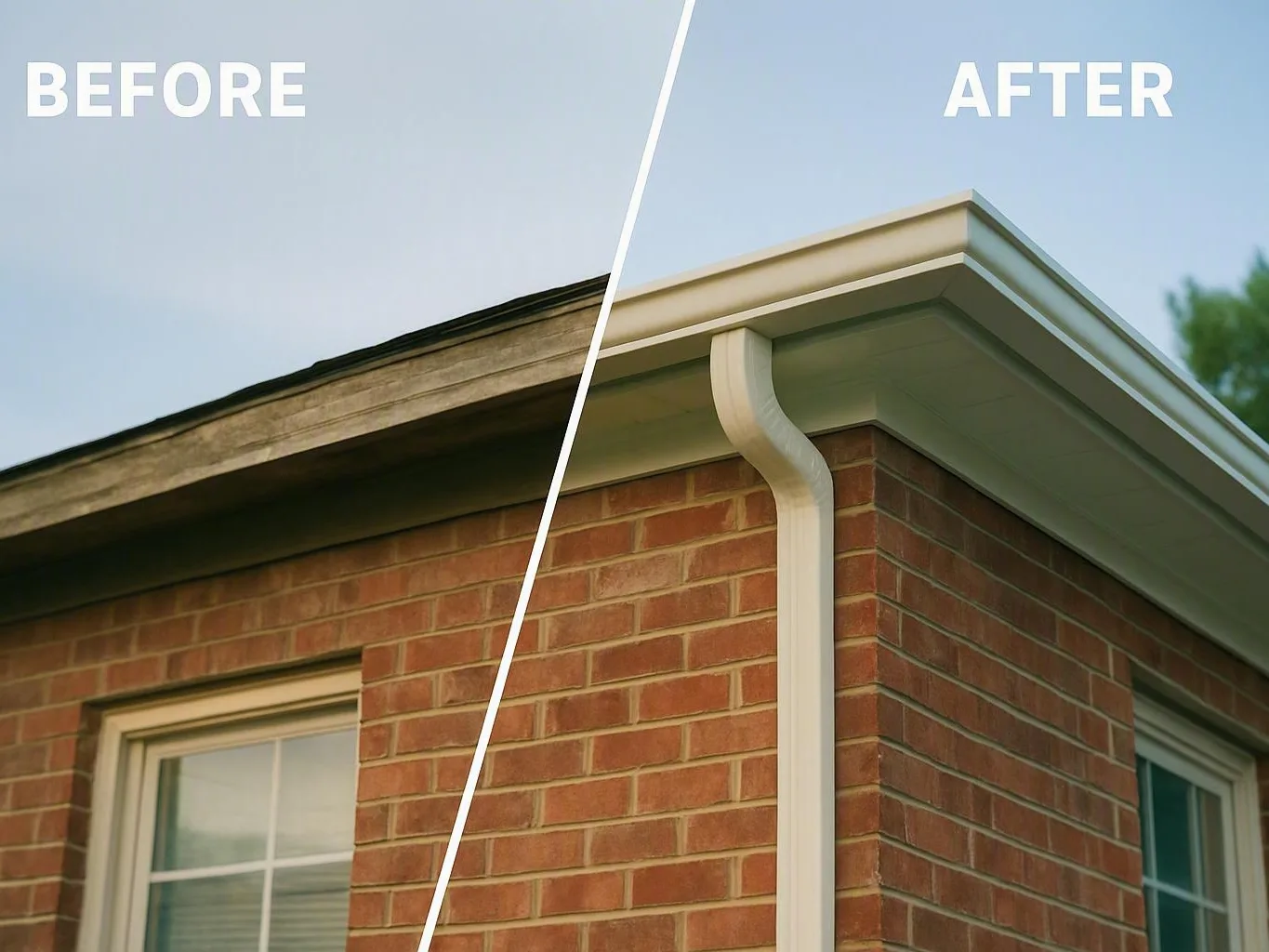
The value isn't based only on resale price. It can include better curb appeal and fewer painting needs. Long service life can add value too. Good gutters also help protect the foundation. Still, copper doesn't guarantee a return of its full cost.
Comparing lifetime costs may give you a clearer answer. A cheaper system may need repairs or replacement sooner. Copper may last longer with regular care. Compare upkeep costs, ownership plans, roof condition, and system life.
Aluminum or galvanized steel may offer better value for simple roofs. They can also suit homes with short ownership plans. Copper may be worth more for a design-focused home. The owner must accept higher costs and special care.
Some homeowners begin with Gutter Installation and Gutter Guards. This helps them compare materials and reduce leaf buildup.
How Long Do Copper Gutters Last?
Copper gutters can last for decades with proper sizing and care. Their service life depends on many factors. These include copper thickness, water exposure, solder quality, and fasteners. Roof movement and nearby materials matter too. A patina protects the surface, but it can't fix poor drainage.
Thicker copper may resist dents and movement better. Strong solder joints help stop leaks at corners and outlets. Matching fasteners help prevent corrosion. Water that spills behind gutters can harm fascia. It can also shorten the system's useful life.
Inspections should cover seams, hangers, outlets, and downspouts. Check where the water leaves the downspouts too. Look for stains, gaps, sagging, pinholes, and standing water. Early repairs can prevent larger replacement jobs.
Nearby roofs, brick, treated wood, and other metals matter. Water from these surfaces may change copper color. It may also affect corrosion. Good planning protects the look and function of the system.
Do Copper Gutters Need Special Maintenance, and Can They Feed Rain Barrels?
Copper gutters need routine cleaning, downspout checks, and seam inspections. Water must flow away from the foundation. Copper gutters can connect to rain barrels with the right parts. The system needs a diverter, screen, safe overflow path, and matching barrel materials. Stored roof water is usually best for watering plants.
Cleaning removes leaves, grit, and nests from the channels. Our crews check the slope, seams, hangers, elbows, and downspouts. Each downspout should send water away from the foundation. It can also connect to a proper drain line.
A rain barrel diverter sends some water into the barrel. Extra water continues through the normal drainage path. The barrel needs a screen and a firm base. It also needs a safe overflow route away from the house.
Matching materials help prevent problems. Wet copper should not stay against the wrong metal. This can cause galvanic corrosion. Roof water may contain debris, bird waste, or chemical residue. For that reason, don't use stored water for drinking without proper treatment.
Many owners clean gutters once or twice each year. Extra checks help after strong storms. Tree cover and local weather may change the schedule. Gutter guards can reduce debris, but they don't remove the need for checks.
Questions About Gutter Installation and Gutter Guards
Are Copper Gutters Worth the Cost?
They can be worthwhile for historic, custom, and design-focused homes. Their look and long life suit long-term owners. They may not suit short-term owners or tight budgets.
How Much Do Copper Gutters Cost?
Cost varies by length, copper thickness, gutter size, roof shape, and access. Labor, custom seams, and downspouts also affect price. Ask for a written estimate with each cost listed.
How Long Do Copper Gutters Last?
Properly sized and installed systems can last for decades. Thickness, solder joints, fasteners, water, and nearby materials affect service life. Cleaning and good drainage also matter.
Do Copper Gutters Require Special Maintenance?
They need regular cleaning, downspout checks, and seam inspections. They don't need routine painting. Patina doesn't stop clogs, leaks, sagging, or foundation drainage problems.
Can Copper Gutters Be Used with Rain Barrels?
Yes. Use a matching diverter, screened inlet, and safe overflow route. The barrel materials must suit wet copper. Stored roof water is usually best for watering plants.
Choosing a drainage system is easier when you compare all key needs. Consider roof size, water flow, ownership plans, and upkeep. We can help you compare options for your home. Copper isn't the right choice for every property.
Talk with our team about your gutter projectRelated Resources
How Much Does Gutter Installation Cost in Memphis?
Memphis gutter installation cost
What It CostsHow Much Do Downspout Installation and Extensions Cost?
downspout installation and extension cost
What It CostsHow Much Do Copper Gutters Cost to Install?
copper gutter installation cost
What It CostsHow Much Does a Gutter-Connected Rainwater Harvesting System Cost?
rainwater harvesting gutter system cost