
What is Half-Round Gutters?
Half-Round Gutters are drainage channels with a curved, semicircular profile that collect roof runoff and direct it to downspouts. Their open shape differs from the flat-bottom design of K-style gutters. Half-round gutters commonly use aluminum, copper, galvanized steel, or painted steel, and they require compatible hangers, end caps, outlets, and downspout connections.
Quick Facts About Half-Round Gutters
Category
Roof drainage component
Measured by
Gutter diameter and downspout size
Used for
Collecting and routing roof runoff
Common confusion
Often mistaken for K-style gutters
Also called
Half-Round Rain Gutters, Round Gutters
Often discussed with
Gutter Installation, Gutter Replacement
Key Takeaways About Half-Round Gutters
- Half-round gutters have a smooth, curved interior that carries water toward downspout outlets.
- Common materials include aluminum, copper, galvanized steel, and painted steel.
- Half-round systems need hangers designed for their rounded profile and installation method.
- Their capacity depends on gutter diameter, roof area, slope, outlet size, and rainfall intensity.
- Half-round gutters are not the same as K-style gutters, even when both use similar materials.
Understanding Half-Round Gutters
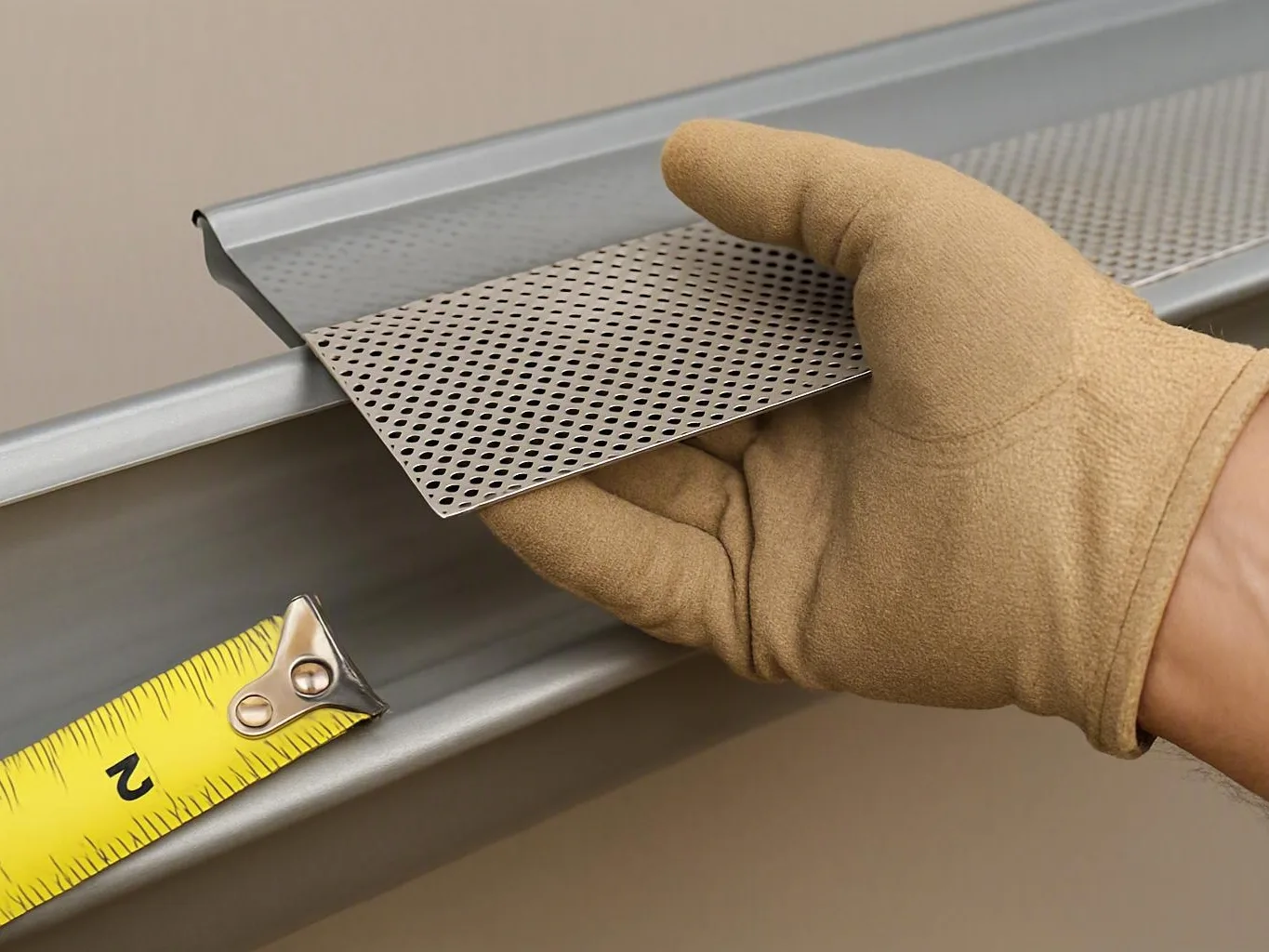
Half-round gutters are roof drainage channels shaped like a half circle. The curved trough catches water at the roof edge. It carries water toward a downspout. Unlike a K-style gutter, a half-round gutter has a smooth, rounded inside surface. It doesn't have a flat bottom with a decorative front profile.
Related glossary terms: Aluminum Gutters, Copper Patina, Downspout.
Manufacturers produce half-round gutters from aluminum, copper, galvanized steel, and painted steel. Copper develops a natural patina over time. Aluminum offers lower weight and resistance to rust. The material, wall thickness, diameter, and finish affect service life, appearance, and maintenance needs.
How Half-Round Gutters Works, Is Measured, or Is Used?
Installers size a half-round system by its gutter diameter and downspout dimensions. Common residential diameters include 5 and 6 inches. The right size depends on roof area, roof pitch, local rainfall, and outlet placement. A larger roof section or concentrated runoff may need a larger channel. It may also need more outlets.
Gutter slope moves water toward each outlet. Installers set the channel with a slight, steady fall. They secure it to the fascia or roof structure with gutter hangers. The exact slope depends on the system design and installation guidance. Hangers must support the rounded shape without crushing the gutter. Joints need compatible miter joints, sealants, and fasteners.
Water enters at the roof edge and flows through the curved channel. It then passes through an outlet into the downspout. The downspout carries water toward a splash block, drainage extension, or underground discharge point. Guards or screens may reduce leaf entry. They don't correct poor slope, undersized outlets, loose hangers, or blocked downspouts.
Why Half-Round Gutters Matters?
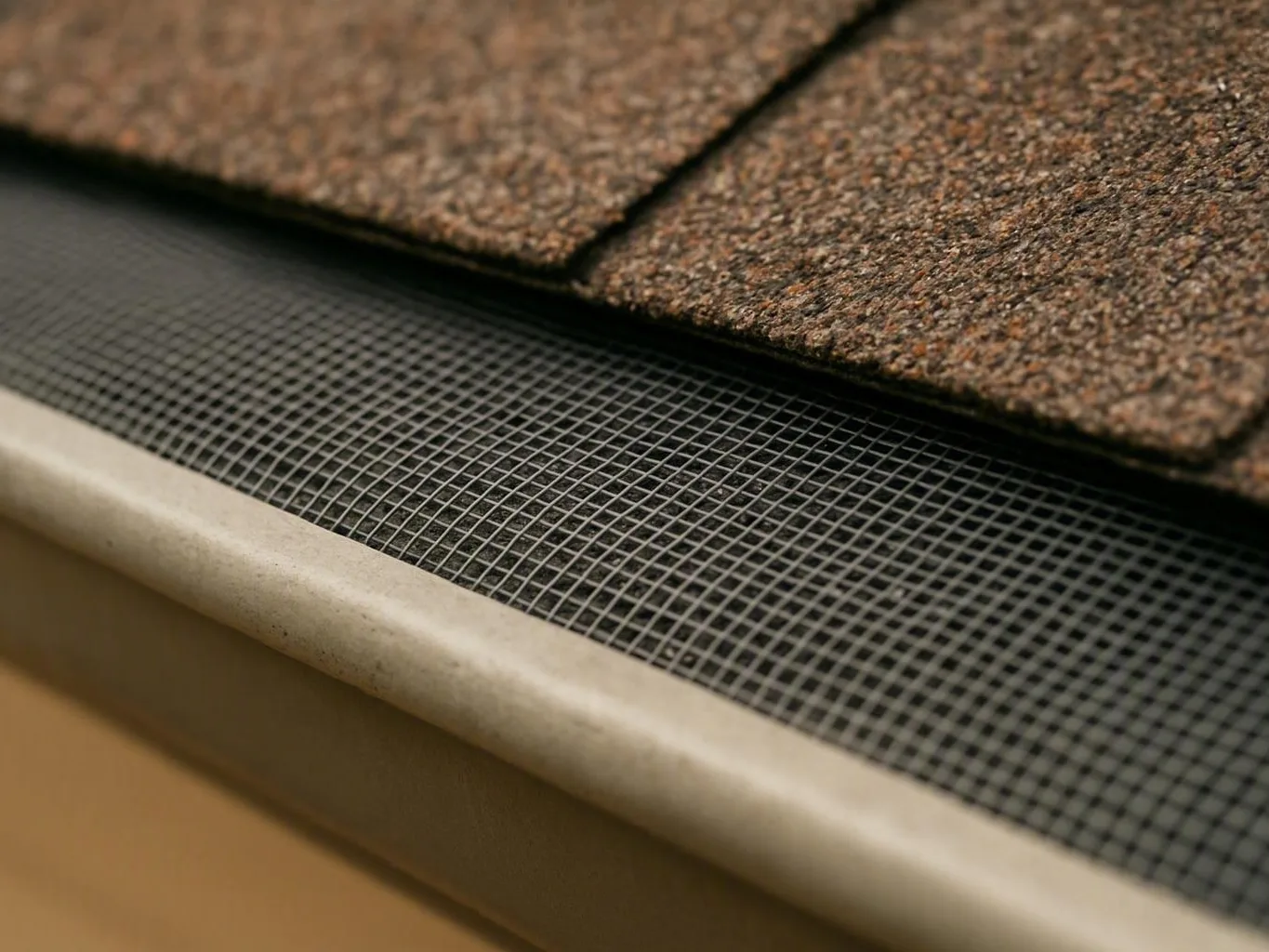
The profile affects drainage performance and installation details. A smooth curved surface has fewer inside corners where debris can collect. Leaves and sediment can still block the channel. Properly sized half-round gutters help limit overflow at the eaves. They also reduce wetting near the fascia board, siding, foundation, and walkways.
Appearance also influences the choice. Half-round gutters often match older homes, restored buildings, and properties with rounded architectural details. Copper systems can add a distinct finish. Painted aluminum can coordinate with trim. These visual benefits don't replace proper sizing, secure attachment, or a safe discharge path.
When Half-Round Gutters Matters Most?
Half-round gutters need close attention during new installation, roof replacement, and historic restoration. The installer must check the roof edge, fascia condition, drip edge, outlet locations, and downspout routes. This check should happen before selecting components. A replacement system should account for changes in roof area, roofing material, and drainage patterns.
Heavy storms, recurring overflow, stained siding, basement moisture, and eroded soil can signal a drainage problem. In Memphis, intense rain events can expose weak joints and insufficient downspouts. They can also expose discharge points near the foundation. A useful inspection checks the entire path from the drip edge to the final outlet. It shouldn't focus only on the visible gutter.
How to Evaluate Half-Round Gutters?
- Confirm the gutter diameter, downspout size, roof area, and rainfall assumptions used for sizing.
- Check that the channel has a consistent slope toward each outlet without standing water.
- Inspect hanger spacing, fastener security, fascia condition, and visible sagging.
- Look for sealed joints, secure end caps, and outlets that match the gutter material.
- Observe where downspouts discharge and whether runoff causes soil erosion or foundation wetting.
Related Concepts Compared
Half-Round Gutters vs. K-Style Gutters
K-style gutters have a flat bottom and an angular or decorative front profile. Half-round gutters have a semicircular channel and usually require different hangers and fittings.
Half-Round Gutters vs. Box Gutters
Box gutters are wide, built-in channels that often sit within or behind a roof edge. Half-round gutters are exposed, rounded channels attached along the eave.
Half-Round Gutters vs. Eavestrough
Eavestrough is a general term for a roof-edge gutter, especially in Canadian usage. A half-round gutter is one specific eavestrough shape.
Half-Round Gutters vs. Gutter Screens
Gutter screens are covers that limit leaves and large debris from entering a gutter. They are an accessory and do not describe the gutter's shape.
Expert Note
Rounded gutters need matching brackets, outlets, end caps, and downspout adapters. Mixing parts from K-style and half-round systems can restrict flow or create weak joints. Inspect the fascia first, since a rounded gutter cannot remain secure when the supporting wood has rot or water damage.
Common Mistakes or Myths About Half-Round Gutters
- Assuming a 5-inch gutter works for every roof section.
- Installing K-style hangers on a half-round gutter.
- Ignoring rotten fascia before attaching new brackets.
- Relying on screens to solve poor slope or undersized downspouts.
- Discharging water beside the foundation instead of directing it away.
Half-Round Gutters in Practice: A Real-World Example
A two-story home has a 6-inch half-round aluminum system with outlets at each roof section. During inspection, one outlet is partly blocked and a rear downspout discharges beside the foundation. Cleaning the outlet and extending the discharge can improve drainage without replacing the entire gutter run.
Sources & Further Reading on Half-Round Gutters
Related Services
Related Terms
Aluminum Gutters
Aluminum Gutters is a rainwater drainage system made from formed aluminum channels and downspouts. The system…
Copper Patina
Copper Patina is the blue-green surface layer that forms when exposed copper reacts with oxygen, moisture…
Downspout
Downspout is a vertical pipe that carries water from a gutter to the ground or a…
Gutter Hangers
Gutter Hangers are hardware pieces that attach a rain gutter to a building’s fascia, rafter tails…
All Pro Roofing and Gutters
Have Questions About Half-Round Gutters?
Contact All Pro Roofing and Gutters for practical guidance on Half-Round Gutters and related gutter installation and gutter guards work in Memphis.