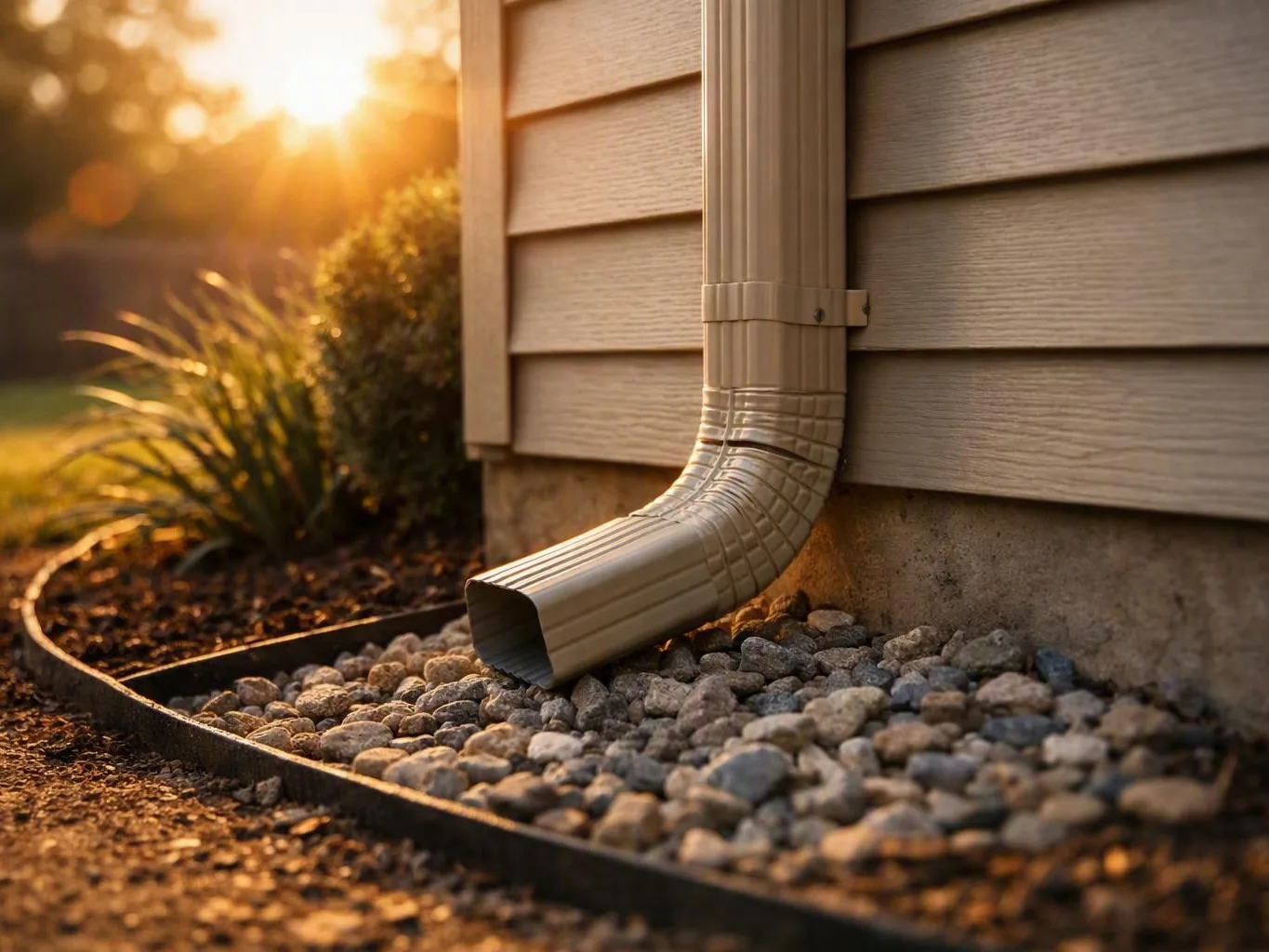
Practical Ways to Control Roof Runoff With Downspout Extensions
Downspout extensions move roof water away from walls, foundations, and weak soil. Most extensions should release water several feet from the house. Buried solid pipe, splash blocks, pop-up emitters, or rain gardens can move it even farther. Pooling near the outlet often points to poor slope, hard soil, a clogged line, or a low outlet. Choose the system based on soil, land grade, rain, plants, and foundation needs. Check the joints and outlets often.
Get a Free Estimate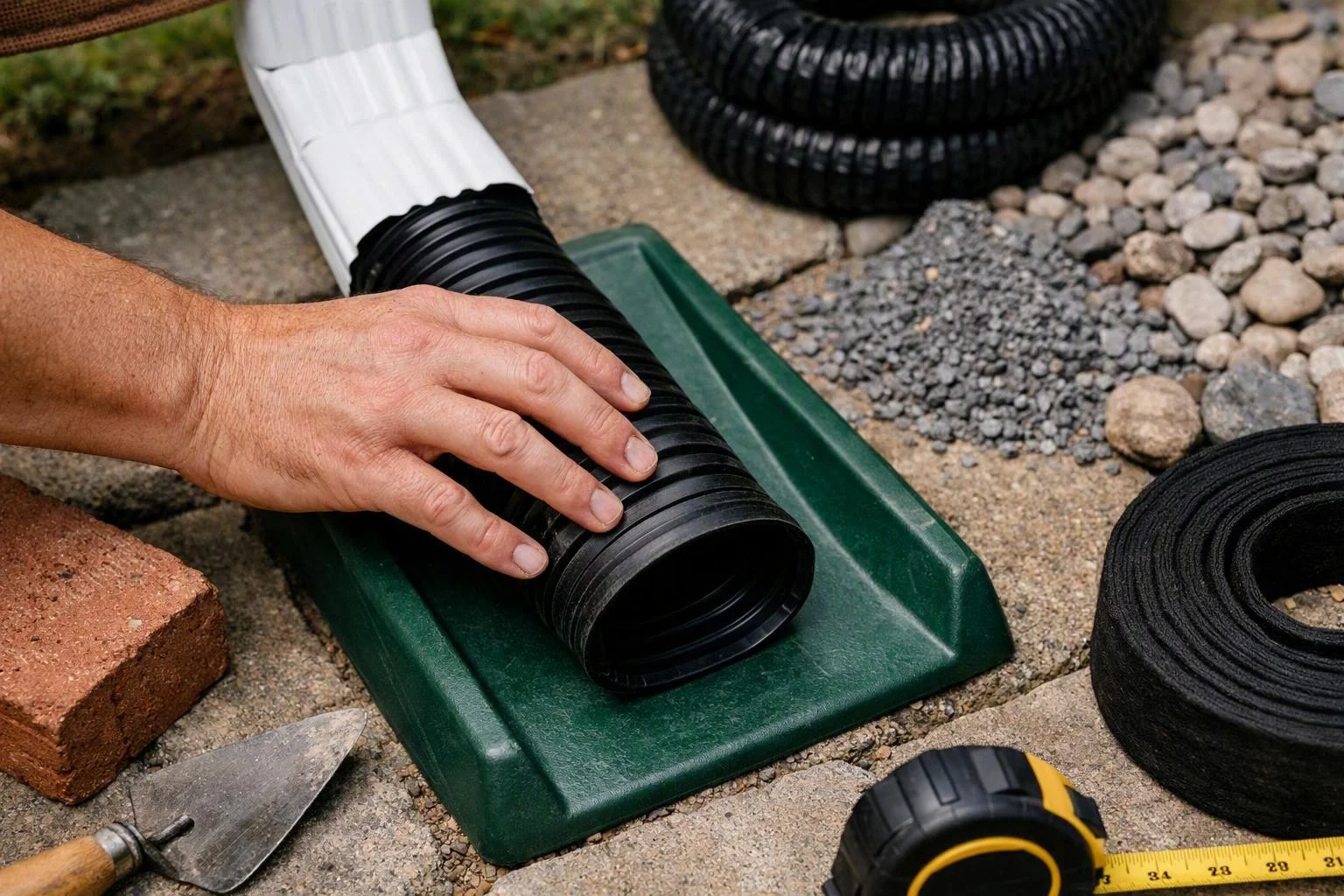
Downspout extensions move roof water through surface or buried drainage paths. All Pro Roofing and Gutters helps homeowners review the gutter system, land grade, and outlet before work begins.
Why Downspout Extensions Matter for Roof Runoff?
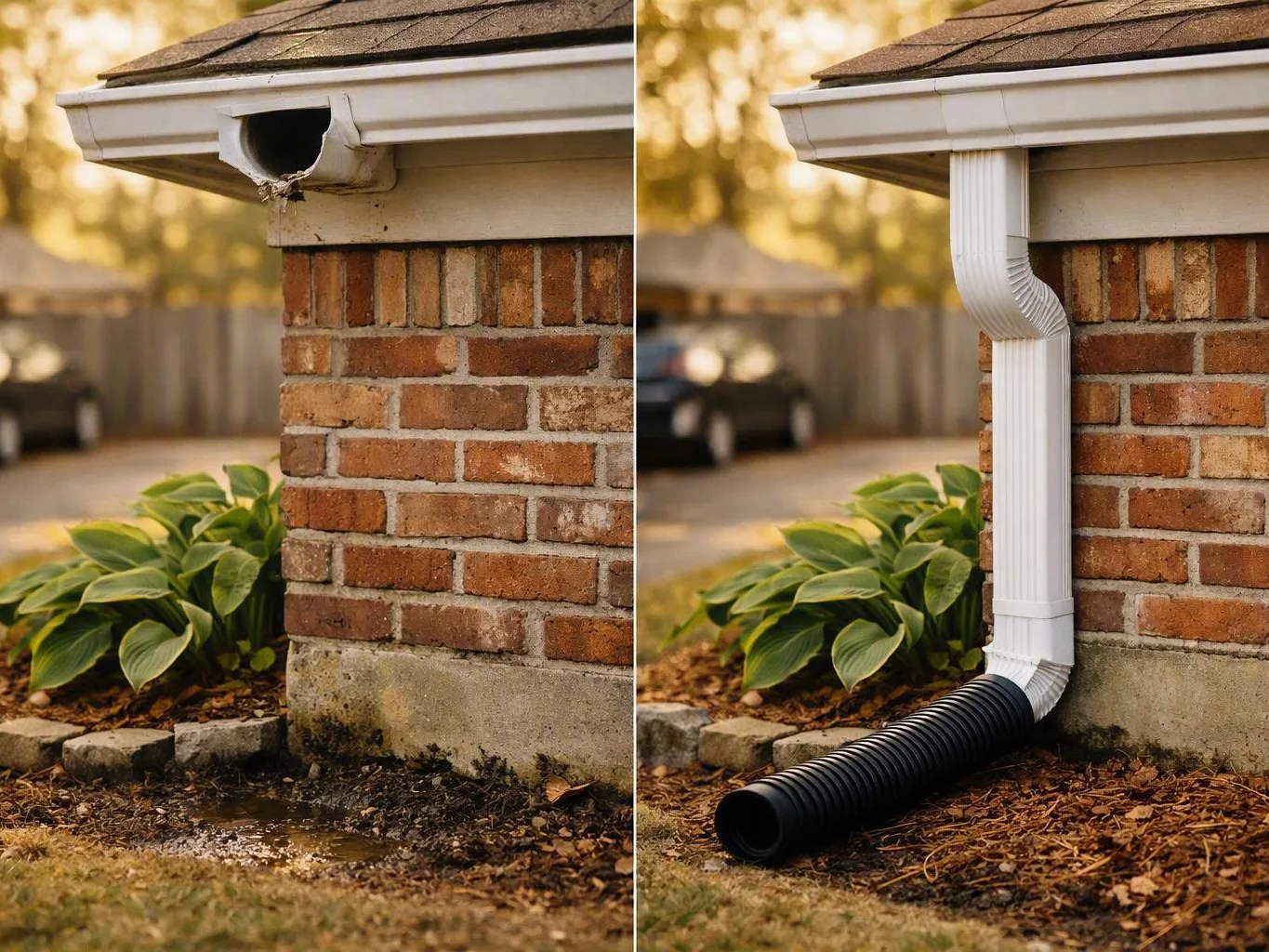
Downspout extensions carry roof water away from the foundation. They keep water from pouring beside exterior walls. They also help limit soil loss, basement moisture, crawl-space dampness, and foundation stress. You may need one if the downspout ends too close to the home.
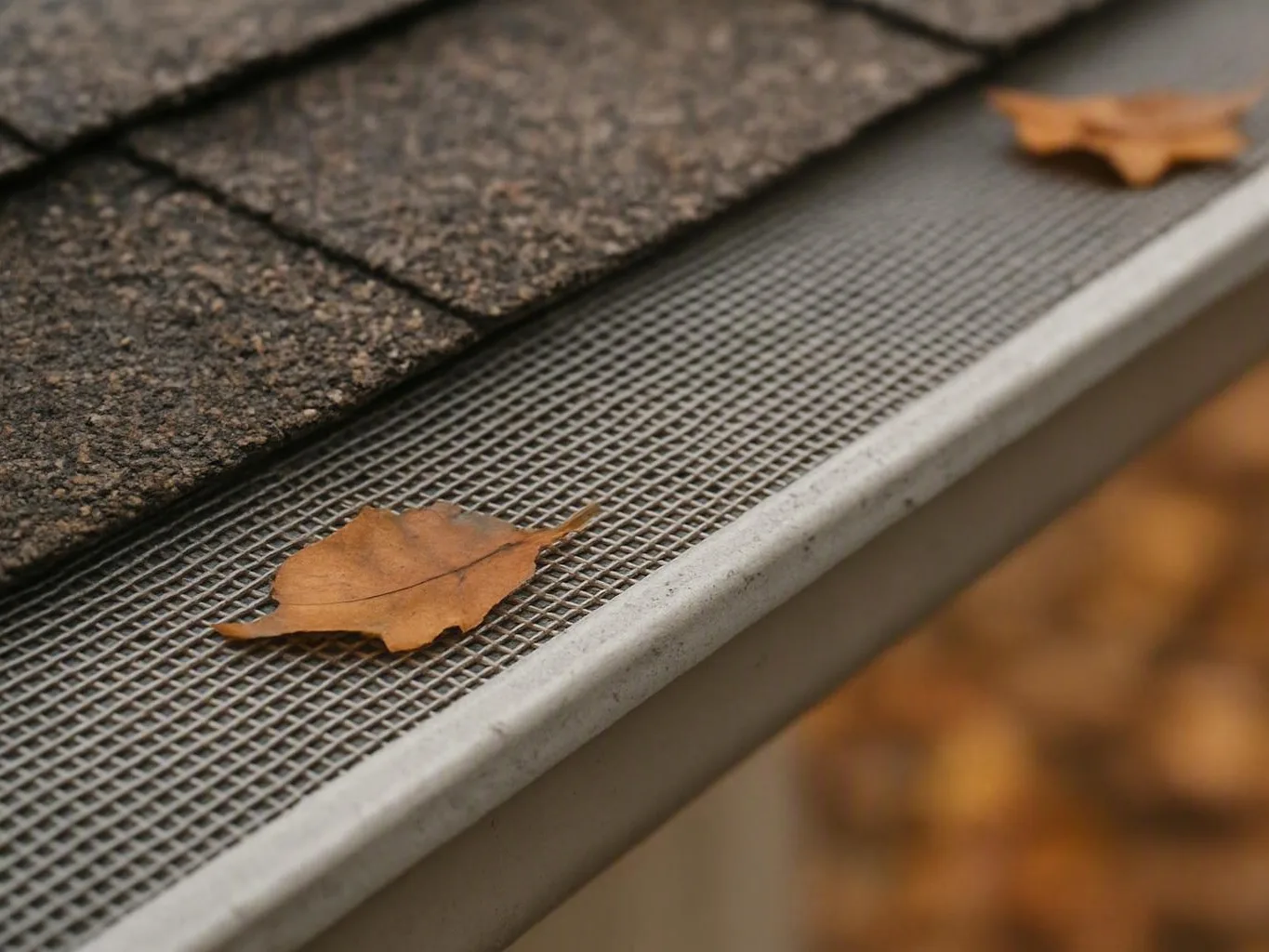
Roof size, gutter size, and rain strength affect the water volume. A small extension may suit a small roof and sandy soil. A larger roof may need a wider path or buried drain. Gutter Installation and Gutter Guards can improve water collection. They can also limit leaves and other debris.
How Downspout Extensions Redirect Water Away from the House?
Downspout extensions connect to the downspout outlet. They carry water across the ground or through a buried drain pipe. The outlet should sit lower than the downspout. It should stay open and point toward a safe area. A steady slope helps stop backflow and standing water.
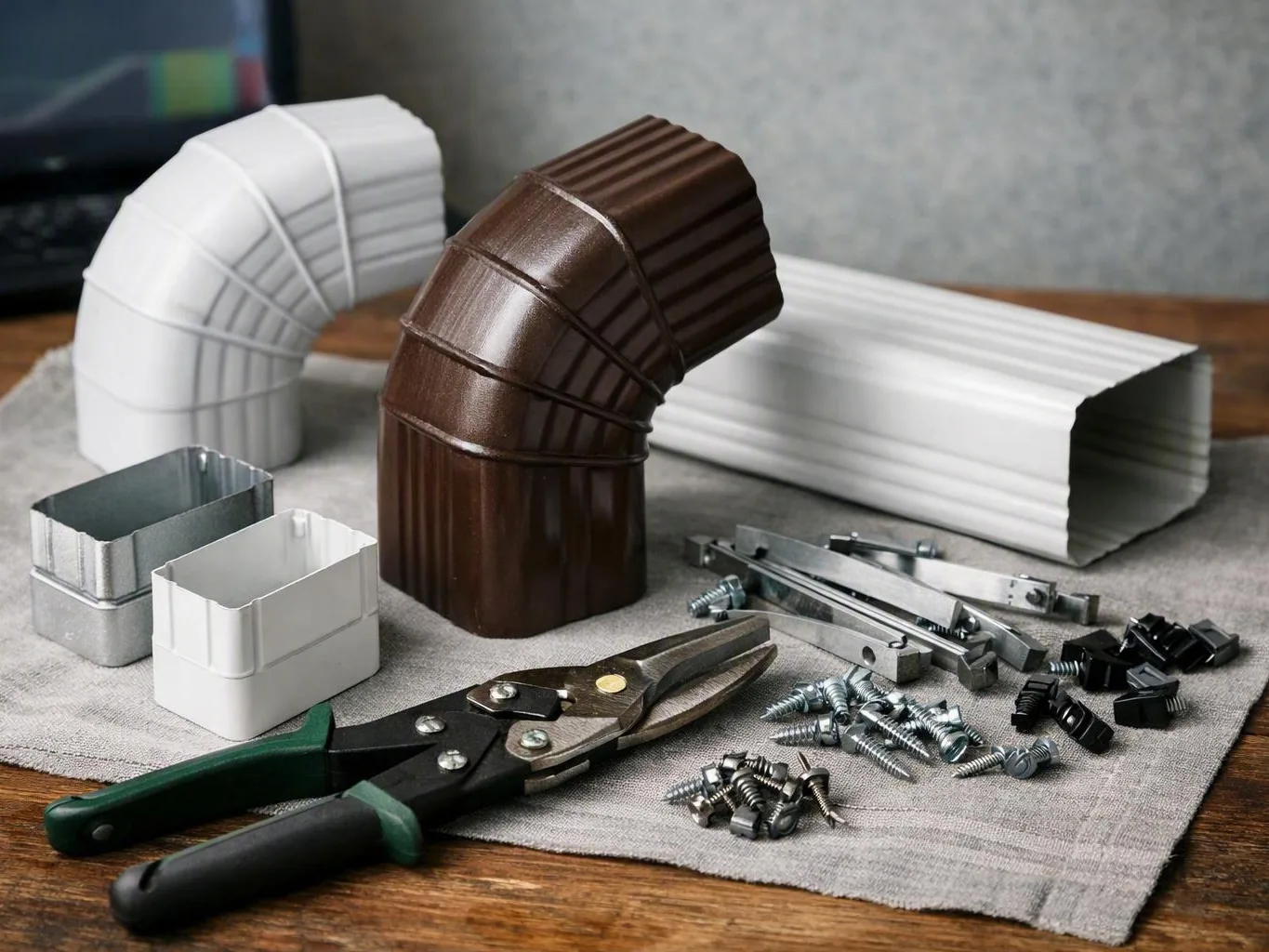
A surface system may use a stiff section, flexible extension, or splash block. The route should slope away from the house. Straps and sealed joints help keep water inside the system. The outlet should not face a neighbor’s foundation, walkway, wall, or icy area.
Longer routes may need solid drain pipe under a lawn or garden. The pipe must hold the roof water during heavy rain. Avoid sharp bends because leaves can collect there. A catch basin collects debris. It still needs a clear path to the final outlet.
Redirecting water means managing the whole route. Adding length alone may not solve the problem. Check the outlet after heavy rain. Look for overflow, soil loss, or slow flow.
How Far Should a Downspout Extend from the House?
A downspout should usually release water several feet from the house. The right distance depends on land grade, soil, foundation type, and site needs. Move water farther when the ground slopes toward the home. Use a buried solid pipe when water must travel beyond the yard or foundation area.
No single distance works for every property. Many surface systems move water about 4 to 10 feet from the wall. Buried routes may travel much farther. The outlet location matters more than one fixed number.
Soil and weather can change the best route. Clay, frozen ground, or a high water table may need more distance. Loose soil may drain faster. Never send water toward a basement door or crawl-space vent.
What Can You Use Instead of a Downspout Splash Block?
You can replace a downspout splash block with a flexible extension, stiff extension, buried solid pipe, concrete channel, drainage swale, or rain garden. The best choice depends on slope, soil, distance, foot traffic, plants, and looks. Each option must keep water away from the foundation.
A splash block spreads water across the surface. It cannot fix poor grading or slow soil by itself. Test every replacement during rain. Change the route if soil washes away or water moves toward the home.
Why Is Water Pooling at the End of My Downspout?
Water pools when the outlet sits in a low area. It can also pool when the extension lacks slope, soil is hard, or the line is clogged or too small. Check the joint, outlet, and nearby ground. Clearing the line or extending the route may restore proper flow.
Start by checking for leaves, mud, or crushed pipe. A loose joint may release water too soon. Then check the slope. A small dip can hold water and slow the full line.
Poor grading can cause the same issue. The outlet may work, but the ground can send water back home. Hard soil absorbs less water. Building work and foot traffic can make soil harder. A small drain line may also fill during strong storms.
Clear the line and reshape the ground. Test the route with a controlled flow of water. If pooling stays, consider a buried route, catch basin, or new outlet. Ongoing moisture near walls needs quick attention.
Can Downspout Extensions Be Buried?
Downspout extensions can be buried with solid-wall drainage pipe. The pipe must lead to a safe outlet. Options include a pop-up emitter, daylight outlet, or approved drainage area. The system needs a steady slope, cleanouts, sealed joints, and protection from damage. Perforated pipe usually does not suit direct roof runoff.
| Component | Purpose | Important check |
|---|---|---|
| Solid-wall pipe | Carries concentrated roof flow | Use sealed joints and a continuous slope |
| Catch basin | Collects water and accessible debris | Keep the grate and cleanout reachable |
| Pop-up emitter | Releases buried drainage at the surface | Place it in a safe, slightly lower area |
| Perforated pipe | Allows surrounding soil infiltration | Usually avoid it for concentrated downspout flow |
Buried drains must handle frost and soil movement. Poor trench work can make pipes shift, crack, or collapse. Keep heavy vehicles away from the route. Mark cleanouts before covering the pipe.
A pop-up emitter opens when water reaches it. It closes after the water leaves. It cannot replace a good slope or clear outlet. Test the pipe before covering it. Check it again after the first strong storm.
How to Choose the Right Downspout Extension System?
The right system matches roof water, downspout size, slope, soil, outlet space, and upkeep needs. Look for strong joints, enough pipe size, a firm outlet, and easy cleanout access. Plan for clogs, freezing, soil loss, crushed pipe, and poor slope.
Plan for common problems before work starts. Easy cleanouts help reduce clogs. A good trench can limit freezing and soil movement. Keep cars and heavy tools off buried pipe.
Our team reviews the gutter installation, outlet, pipe route, and access. This helps us choose a downspout drain extension for your property.
When Downspout Installation or Repair Is the Better Solution?
Downspout installation or repair may help when extensions disconnect, leak, collapse, overflow, or drain against the home. A drainage check can find issues with gutter alignment, outlet size, slope, or pipe damage. Fixing the full runoff route works better than adding length to a weak downspout.
A repair may work for a loose joint, missing strap, or short crack. Replacement may fit a small outlet, crushed pipe, or poor gutter alignment. Gutter overflow can also come from blocked gutters, poor pitch, or too few outlets.
We check joints, land grade, outlets, and signs of foundation moisture. A drainage check helps when water enters a basement or crawl space. It also helps when soil loss returns or buried pipe cannot be found.
Downspout Installation in Memphis requires the same basic checks. These include roof size, storm strength, soil, outlet safety, and upkeep access. You should receive a clear explanation of the full water path.
Questions About Gutter Installation and Gutter Guards
How Far Should a Downspout Extend from the House?
A downspout should usually discharge several feet from the house. The needed distance depends on grading, soil, foundation conditions, roof size, and rainfall. Use a longer surface or buried route when the ground slopes toward the building or drains slowly.
How Do I Redirect Downspout Water?
Connect a stable extension to the downspout outlet and give it a positive slope away from the foundation. You can use a rigid or flexible extension, solid buried pipe, drainage swale, concrete channel, or pop-up emitter. Keep the final outlet open and away from low areas.
What Can I Use Instead of a Downspout Splash Block?
You can use a flexible or rigid extension, concrete channel, drainage swale, rain garden, or buried solid drain pipe. Select the option based on slope, soil, discharge distance, landscaping, and foot traffic. The outlet must keep water from returning toward the foundation.
Why Is Water Pooling at the End of My Downspout?
Pooling can result from a clogged extension, poor grading, compacted soil, an outlet in a low area, or an undersized drainage line. Check the connection and slope, clear debris, and reshape the area if needed. Continued pooling may require a longer solid drain route.
Can Downspout Extensions Be Buried?
Yes. Use solid-wall pipe with sealed connections, continuous slope, accessible cleanouts, and a suitable outlet such as a daylight opening or pop-up emitter. Protect the pipe from crushing, freezing, and soil movement. Perforated pipe is generally not suitable for concentrated roof runoff.
Plan a Safer Runoff Route
Our team can review the gutter system, downspout outlet, surface drainage, and buried drainage options. We’ll help give water a clear path away from the foundation. Contact us for guidance on installation, repair, or outlet planning.
Talk with our teamRelated Resources
How Much Does Gutter Installation Cost in Memphis?
Memphis gutter installation cost
What It CostsHow Much Do Downspout Installation and Extensions Cost?
downspout installation and extension cost
What It CostsHow Much Does a Gutter-Connected Rainwater Harvesting System Cost?
rainwater harvesting gutter system cost
Compared ToShould You Repair or Replace Your Gutters?
gutter repair vs replacement