Should You Repair or Replace Your Gutters?
Gutter repair often works best for small, separate problems. The system must still drain well. It should also have years of useful life left. Gutter replacement makes more sense with rust, sagging, poor pitch, or many leaks. Repair usually costs less and takes less time. Replacement gives you new gutters, hangers, downspouts, and a better water path. Check the gutters, fascia, seams, outlets, and downspouts before choosing. A professional gutter inspection can show which option fits your home.
Get a Free Estimate
All Pro Roofing and Gutters helps homeowners compare both choices. Our team checks gutter age, water flow, and past repairs. We also check the roof edge, fascia board, and foundation drainage. A Gutter Inspection helps after heavy rain, overflow, or harsh weather.
Should You Repair or Replace Your Gutters?
Gutter repair works well for small leaks, loose hangers, minor seam damage, or one damaged downspout. The rest of the system must still be strong. Gutter replacement works better with wide corrosion, constant sagging, poor drainage, or many leaks.
Start with the gutter’s age and condition. Don’t focus only on the most visible drip. A small leak may come from a bad seam. It may also point to poor pitch or weak hangers. We check each gutter section, end cap, outlet, downspout, roof edge, and fascia board.
Good drainage matters most. Gutters should catch roof water and move it through downspouts. Water shouldn’t spill over or pool beside your home. Heavy rain can overwhelm a system that’s too small. A steep roof can also send too much water into one gutter run.
Repair often makes sense when the metal remains strong. It also helps when the damage stays in one area. A seam fix, new hanger, or downspout extension may restore good water flow. Replacement offers better value when many parts fail together. It also helps when repairs keep coming back.
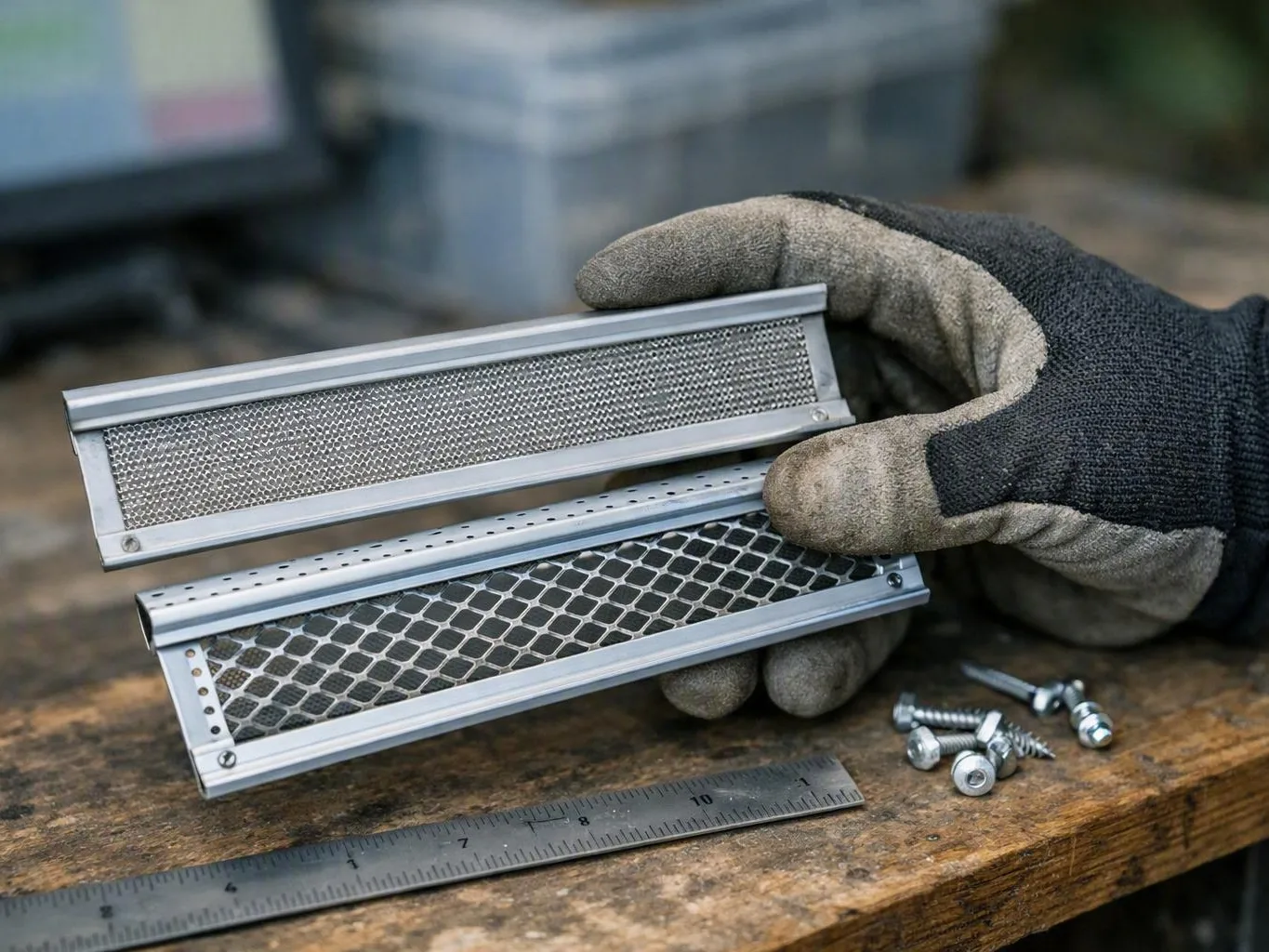
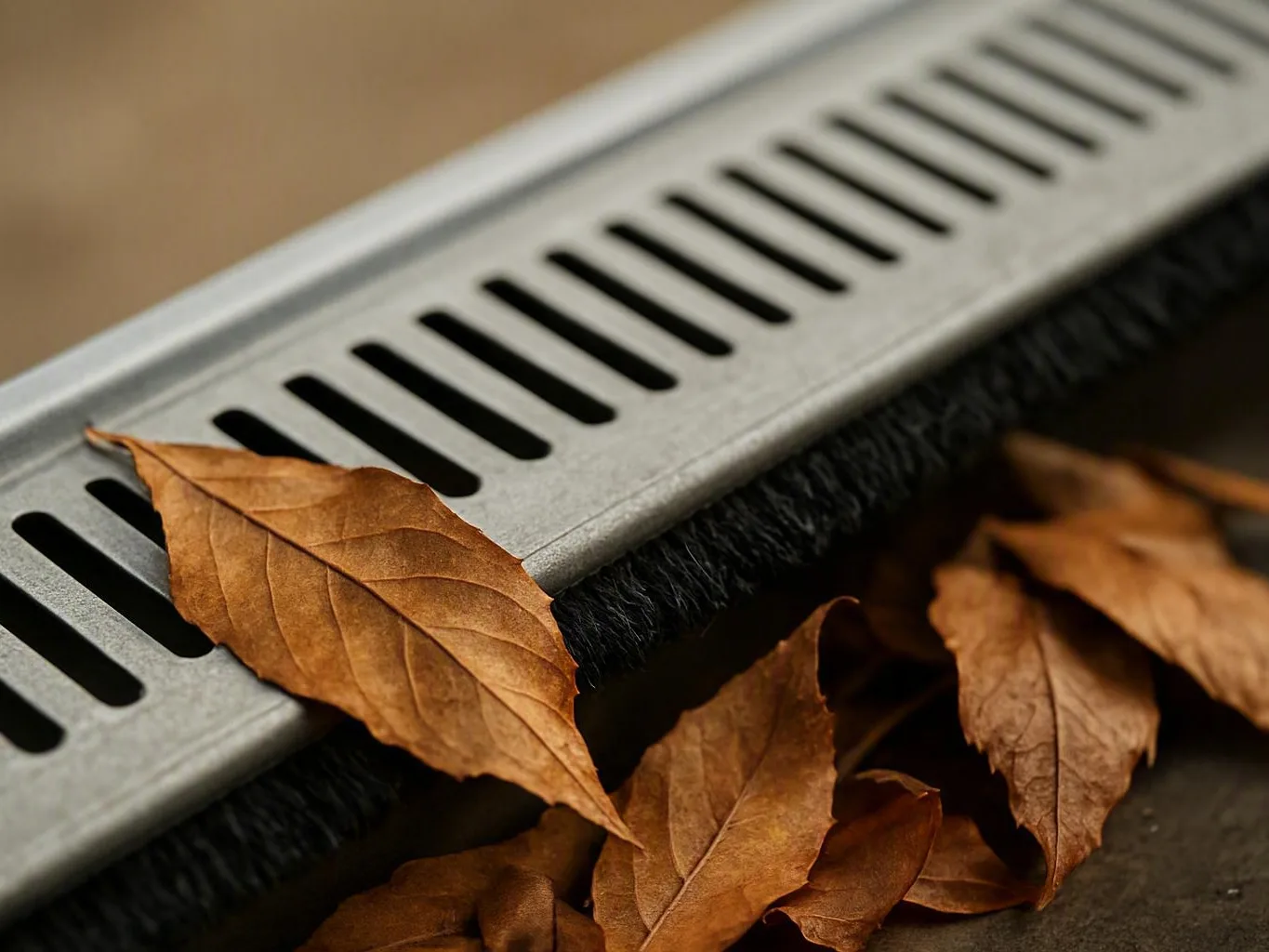
Homeowners comparing Gutter Installation and Gutter Guards should review the full drainage plan. Guards can limit leaves and other debris. They can’t fix poor pitch, weak fascia, or bad outlets. They also can’t fix a blocked discharge point. The right choice protects your roof edge and foundation during future storms.
Gutter Repair vs Replacement: Which Option Fits Your Situation?
Gutter replacement costs more, but it fixes problems across the whole system. Repair usually costs less for small, local damage. Repair can keep good parts in place. Replacement gives you new gutters, hangers, outlets, and downspouts. Your choice depends on damage, drainage, past repairs, and gutter age.
| Factor | Repair | Replacement |
|---|---|---|
| Cost | Usually lower because crews fix only damaged parts | Higher because it includes materials, labor, removal, and disposal |
| Timeline | Often takes one short visit when parts are ready | Often takes longer because crews measure and install the full system |
| Maintenance | Older parts may need more frequent checks | New parts may make care easier, but cleaning still matters |
| Best for | Small leaks, loose gutter hangers, seam damage, or downspout repair | Corrosion, many leaks, poor pitch, sagging, or weak drainage capacity |
A small repair may take part of one day. Full replacement often takes one to two working days. Roof shape, fascia repairs, access, and weather can change this time. Downspout placement can also affect the work. Aluminum gutters are light and resist rust. Seamless gutters have fewer seams where leaks can start.
Repair Pros
Repair Cons
Replacement Pros
Replacement Cons
How Do You Know if Your Gutters Need to Be Replaced?
Gutter corrosioncracks, sagging, open seams, and many leaks often point to replacement. Replacement may also help when gutters overflow after cleaning. Poor pitch, damaged fascia, and weak downspouts are other warning signs. A full inspection can confirm the cause.
Don’t assume every overflow means total system failure. Leaves, blocked outlets, and poor pitch can cause similar signs. Our team follows the water path from the roof edge to the discharge point. We then suggest a rain gutter repair or full upgrade.
Is It Worth Repairing Old Gutters?
Repairing old gutters can make sense when the damage is small. The gutter material must still be strong. The repair must restore good drainage. Repair offers less value when leaks return often. It also offers less value with spreading rust or many weak sections.
Remaining life matters most. A strong aluminum gutter with one bad seam may last many more seasons. Thin metal, cracks, loose gutter hangers, and stained fascia show greater wear. These signs may mean the system is near its end.
A professional inspection can compare repair costs with a new system. Our team can explain each choice clearly. You may need a small fix, downspout repair, or full replacement. We’ll focus on better foundation drainage.
What Does a Gutter Replacement Include?
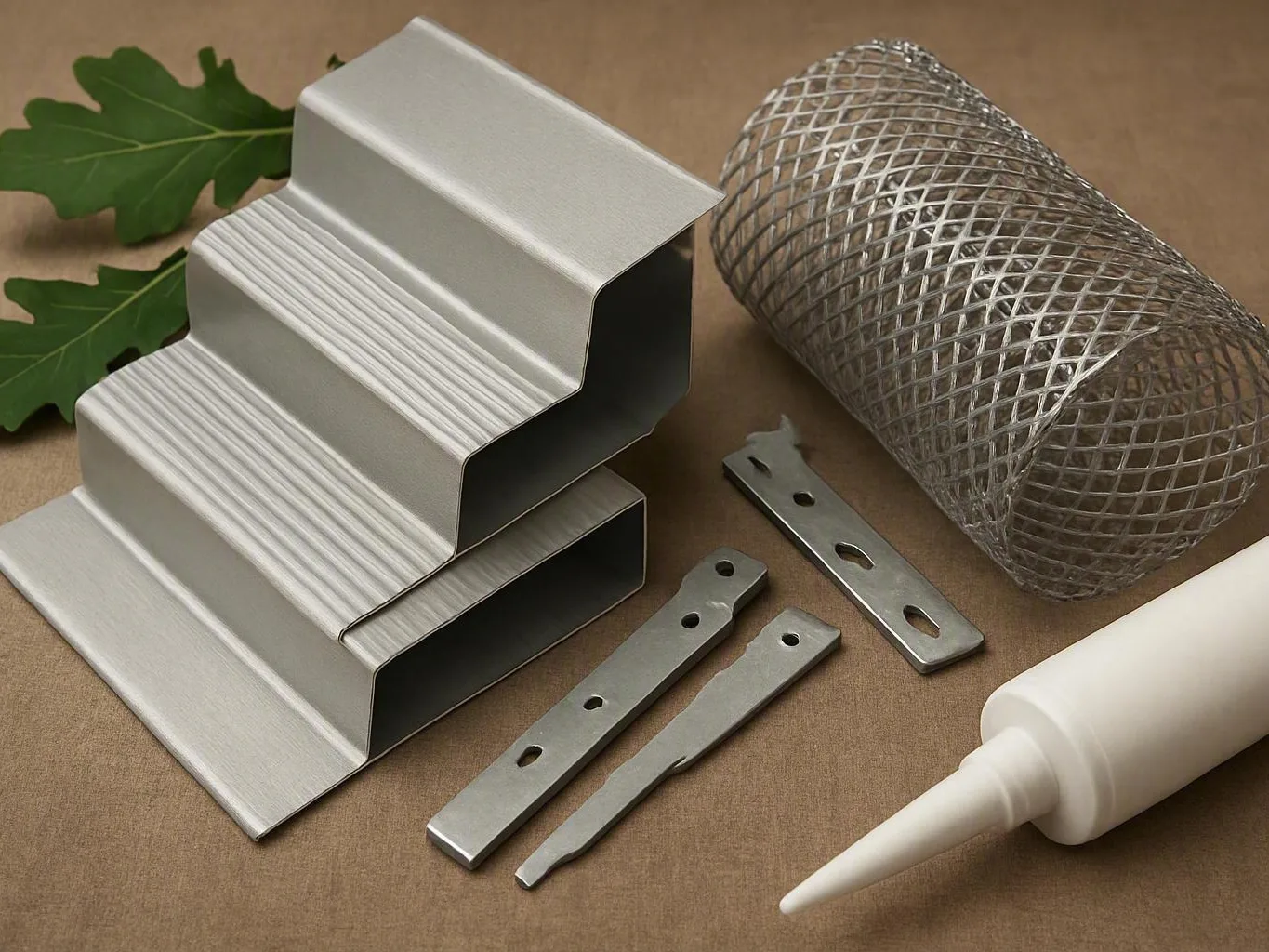
Gutter removal and replacement usually include several steps. Crews check the fascia and roof edge. They measure each drainage run. They install gutters, hangers, end caps, outlets, and downspouts. They also test water flow. The work may include disposal, downspout changes, and pitch repairs.
The job starts with measurements. Roof pitch, valleys, and roof size affect water flow. Long or steep roof areas may need more outlets. A better discharge plan can help prevent overflow during heavy rain.
Crews remove old sections with care. They then check the fascia board. Stains, soft wood, and loose fasteners can show support problems. Needed fascia work should be discussed before new gutters go up.
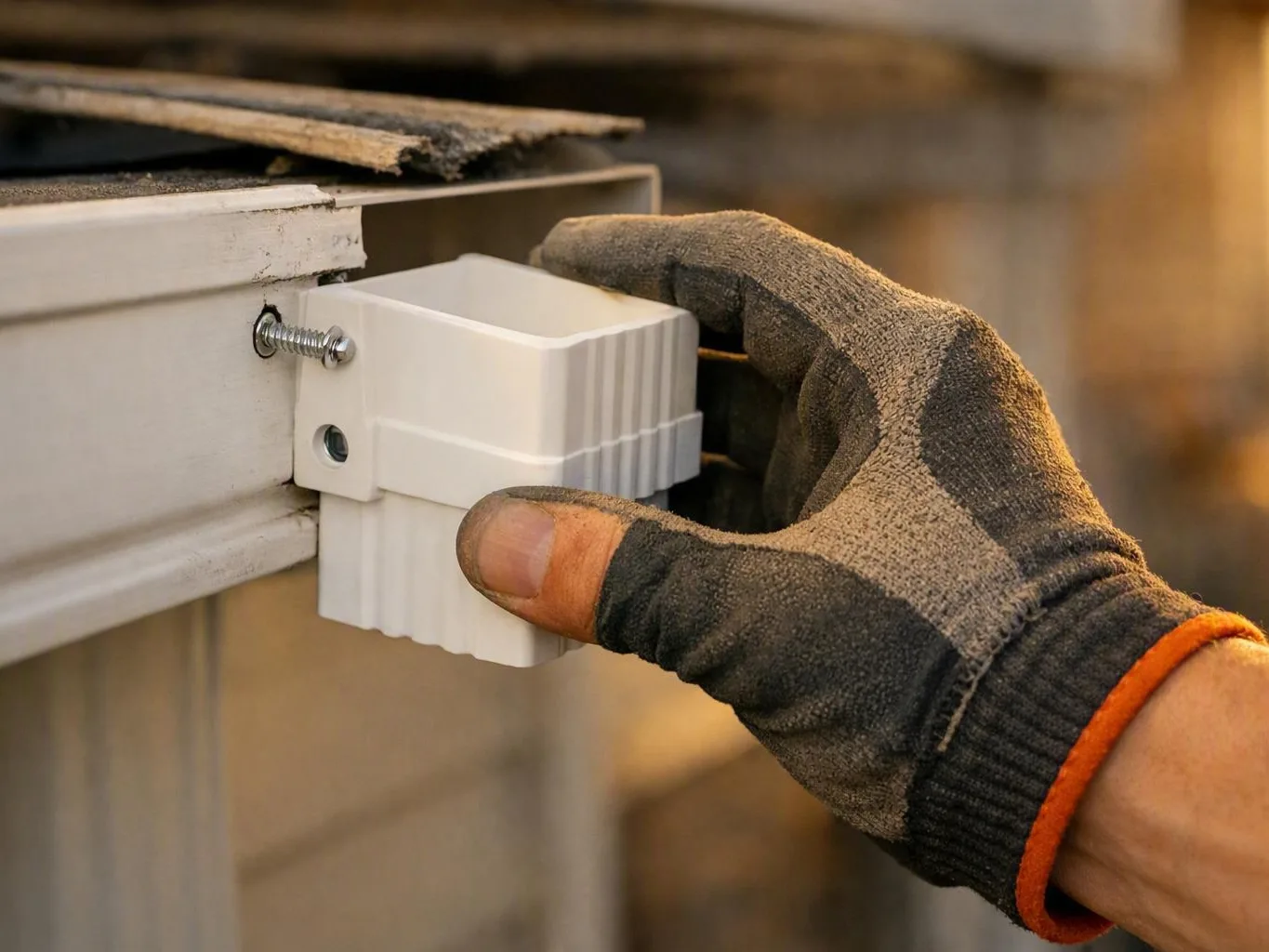
New gutters are cut or formed to fit each run. Hangers hold the channel in place. End caps close the open ends. Outlets connect gutters to downspouts. Downspouts carry water to a safe area. An extension may help protect the foundation.
Seamless gutters are often formed at the home. They use long runs with fewer field seams. This may lower the chance of seam leaks. The right material depends on the home and weather. It also depends on roof runoff and upkeep needs.
After installation, we check pitch, joints, hangers, outlets, and discharge points. Water testing can find leaks before the work ends. Removal, disposal, and cleanup should appear in the written scope.
What Are the Pros and Cons of Gutter Replacement?
Gutter replacement gives your home a new drainage system. It can fix many leaks, poor pitch, and weak downspouts. It can also reduce repeat maintenance problems. The main downsides include higher cost and work around the roof edge. Replacement often works best when old gutters are failing in many places.
A new system can improve water flow when it fits the roof. It may also reduce calls for loose hangers and failed seams. New gutters can’t fix damaged fascia by themselves. They also can’t help if water still drains toward the foundation.
Replacement may be worth it when repairs no longer provide steady drainage. A careful plan can prevent new gutters from repeating old problems. The layout should match the roof, rain, and discharge needs.
How Much Does Gutter Replacement Cost?
Gutter replacement cost depends on several parts of the job. These include gutter length, material, roof shape, downspouts, removal, fascia, and labor. A useful estimate needs an on-site inspection. Compare the full work plan, drainage changes, warranty, and cleanup.
Gutter length is a key cost factor. It shows how much channel and hardware the job needs. Corners, roof levels, valleys, and hard access can add labor. A complex roof needs more careful planning than a simple run.
Material and shape also affect cost. Aluminum is light and resists rust. Other materials may offer different strength and care needs. Seamless gutter installation can change labor costs. Crews form long runs to fit the property.
Downspout number and placement matter just as much. Too few outlets may cause overflow during strong storms. Long downspouts, underground lines, extensions, or moves can add work. These changes may still improve foundation protection.
Removal and disposal should appear in the estimate. The quote should list fascia checks, small repairs, hangers, end caps, and outlets. It should also list testing and cleanup. Clear quotes help homeowners compare companies.
Roof runoff depends on roof size, slope, and rain strength. Weather can also speed up rust and loosen fasteners. Leaves may build up faster too. A cheap repair may fail if the layout can’t handle the water.
Ask for a written work plan instead of one total price. We explain the gutter condition and suggested drainage layout. We also explain upkeep needs and reusable parts. Gutter Replacement in Memphis, TN, should fit your home’s measurements and drainage needs.
Questions About Gutter Installation and Gutter Guards
Should I Repair or Replace My Gutters?
Repair usually works for small leaks, loose hangers, seam damage, or one bad downspout. Replacement works better with corrosion, sagging, poor pitch, repeat leaks, or wide damage. An inspection can show if the problem is local or affects the whole system.
How Do I Know if My Gutters Need to Be Replaced?
Look for spreading corrosion, cracks, sagging, open seams, and repeat leaks. Also check for damaged fascia, pooling water, and overflow after cleaning. A blocked downspout may need a small repair. Many failed sections often support replacement.
How Much Does Gutter Replacement Cost?
Cost depends on gutter length, material, roof shape, labor, downspouts, fascia, removal, and disposal. An on-site measure gives a better estimate than a general price.
Is It Worth Repairing Old Gutters?
Repairing old gutters can make sense when the material remains strong. The damage must also stay in one area. Repair offers less value when leaks return often, rust spreads, or many sections need work.
What Does a Gutter Replacement Include?
It usually includes old gutter removal, fascia checks, measurements, new gutters, hangers, end caps, outlets, and downspouts. Crews also test water flow and handle disposal and cleanup. The work may include pitch fixes, downspout moves, extensions, and small fascia repairs.
Our team can inspect the roof edge, drainage paths, fascia, seams, hangers, and downspouts. You’ll then have facts for choosing repair or replacement. The right work can help prevent overflow, roof-edge damage, and foundation drainage problems.
Request a gutter inspectionRelated Resources
How Much Do Downspout Installation and Extensions Cost?
downspout installation and extension cost
How It WorksWhat Happens During a Professional Gutter Inspection?
professional gutter inspection process
Who It's ForGutter Guard Types: How to Choose the Best Fit for Your Home
types of gutter guards
Who It's ForAre Gutter Guards Worth It? Benefits, Limits, and Maintenance
are gutter guards worth it