
What is Fascia Board?
Fascia Board is a long, straight board attached along the lower edge of a roof, where roof rafters or trusses meet the exterior wall. The board covers the roof edge, supports certain gutter hangers, and provides a finished surface for trim. Common materials include wood, engineered wood, PVC, and fiber cement.
Quick Facts About Fascia Board
Category
Roof edge and exterior trim component
Used for
Roof-edge protection, trim, and gutter support
Common confusion
Fascia is not the soffit beneath the roof overhang
Also called
Fascia, Fascia Trim
Often discussed with
Gutter Installation, Gutter Replacement
Key Takeaways About Fascia Board
- Fascia boards cover and protect the exposed ends of roof rafters or trusses.
- Gutter hangers often attach to fascia. So sound wood supports safer gutter installation.
- Common materials include wood, engineered wood, PVC, aluminum, and fiber cement.
- Soft spots, peeling paint, stains, or sagging gutters can indicate fascia damage.
- Fascia replacement should address roof leaks and flashing problems before new gutters are installed.
Understanding Fascia Board

Fascia Board is the visible board that runs horizontally along a roof edge. It usually sits at the end of the rafters or roof trusses. It sits just below the roof covering. This board closes the open roof edge. It gives the eaves a finished look. It also shields structural wood from rain and pests. Fascia boards may use solid wood, engineered wood, PVC, fiber cement, or metal-wrapped wood.
Related glossary terms: Drip Edge, Gutter Hangers, Flashing.
The board also forms part of the roof drainage edge. Roof shingles or other roof coverings extend toward the fascia. Drip edge directs water away from the wood and into the gutter area. A soffit is different because it covers the underside of the roof overhang. It doesn't cover the vertical outer face. Keeping these parts distinct helps identify stains, rot, and ventilation problems.
How Fascia Board Works, Is Measured, or Is Used?
Installers measure fascia by its length and exposed width. The length follows each roof run. The width depends on the rafter depth and trim design. A common residential fascia board may be about 6 or 8 inches wide. The correct size must match the roof edge and existing construction. Measurements should include corners, returns, joints, and damaged sections needing removal.
Gutter systems often attach to fascia through gutter hangers, screws, or hidden brackets. The fastener must reach sound wood. It shouldn't reach paint, thin trim, or decayed material. Installers also check the roof edge, flashing, and gutter slope before securing the system. A gutter should carry water toward its downspout. It shouldn't pull away from the board or block roof drainage.
Before installation or replacement, inspect the fascia for soft areas and open joints. Check for cracked coatings, insect damage, and dark staining. A probe can help locate decay. The full condition may not show until trim or gutters come off. Replacement usually involves removing affected sections and correcting the water source. It also involves installing matching material, sealing joints, and applying a compatible finish.
Why Fascia Board Matters?
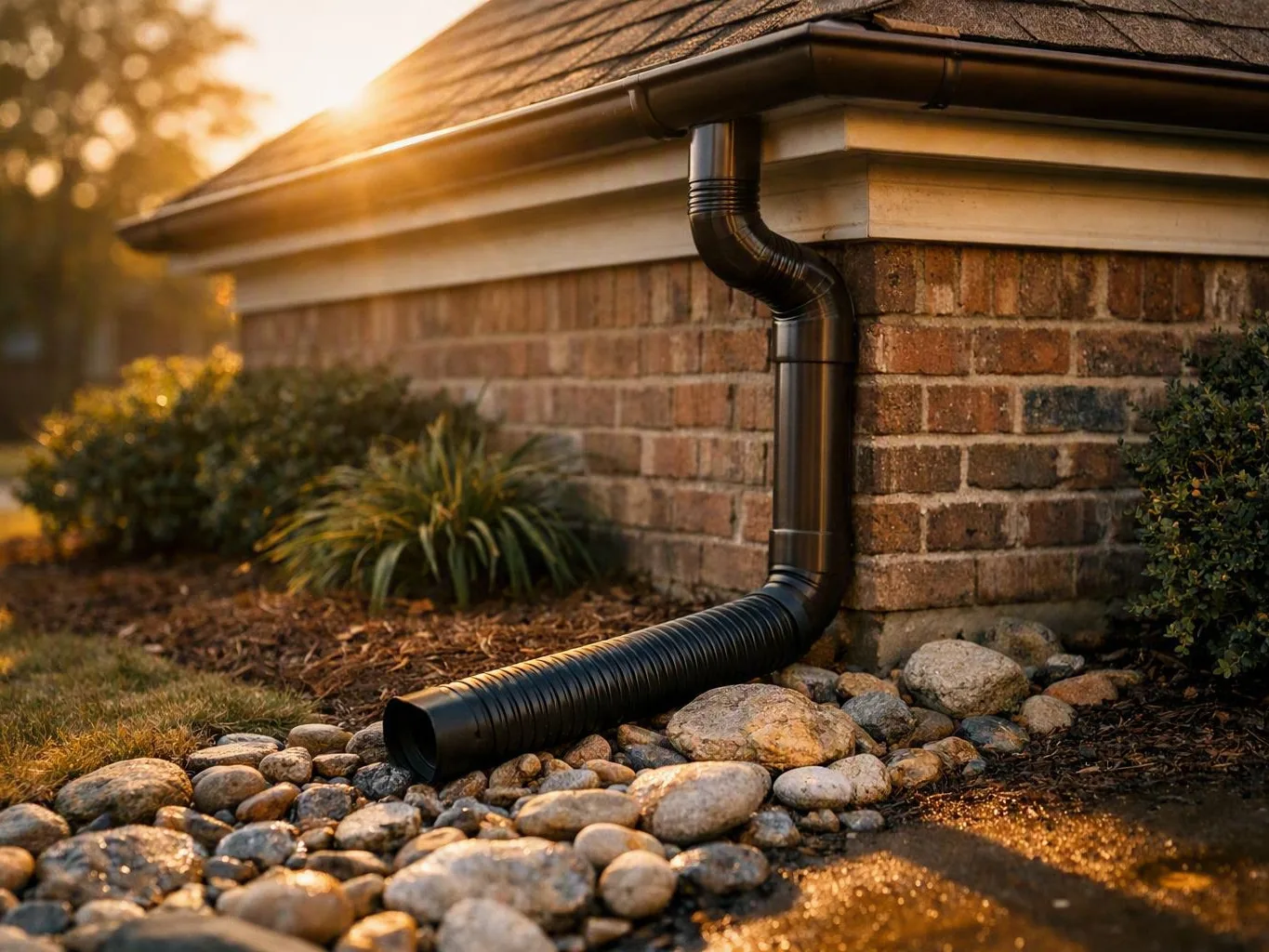
Sound fascia protects the roof edge. It gives gutter fasteners a stable base. Damaged fascia can allow gutters to sag, separate, or overflow near walls and foundations. Water behind the board may reach rafters, sheathing, insulation, or interior finishes. Repairs then become more extensive.
Fascia condition also affects the life of the gutter system. Aluminum gutters may remain intact while their fasteners loosen from wet wood. This creates a hidden support failure. A careful inspection connects the visible gutter problem to the roof edge. It doesn't treat the gutter as an isolated part.
When Fascia Board Matters Most?
Fascia becomes especially important during gutter replacement and roof replacement. It also matters during repairs after heavy rain. In Memphis, repeated wet weather can expose weak joints and unsealed end grain. It can also expose poor drainage around roof edges. Stains below the roofline, peeling paint, mildew, or a tilted gutter need closer inspection.
Fascia also matters when a property has older wood trim. It matters with several layers of replacement gutters. Before approving work, ask whether the installer will inspect the board. Ask whether they’ll remove loose material and correct the moisture source. A sound repair should leave the roof edge dry. It should leave the gutter firmly supported. The joints should stay sealed against normal rainfall.
How to Evaluate Fascia Board?
- Probe suspicious areas for soft wood, especially beneath gutter joints, corners, and roof valleys.
- Check whether gutter fasteners enter solid structural wood rather than thin trim or decayed material.
- Look for dark stains, peeling paint, open seams, insect holes, or visible swelling.
- Confirm that drip edge and flashing direct water into the gutter without wetting the board.
- Compare the replacement material, width, thickness, and finish with the existing roof trim.
Related Concepts Compared
Fascia Board vs. Soffit
A soffit covers the underside of the roof overhang. Fascia covers the vertical outer edge where the roof meets the wall.
Fascia Board vs. Drip Edge
Drip edge is a metal flashing component that directs roof water away from the fascia and into the gutter area. Fascia is the board or trim behind that roof edge.
Fascia Board vs. Gutter Hangers
Gutter hangers are brackets or fasteners that support the gutter. Fascia is the surface or framing area where many hanger systems attach.
Expert Note
A fascia board can look intact from the ground while fasteners fail in its lower edge. Inspection should focus on the wood behind gutter brackets and on areas where roof or gutter leaks have repeatedly wet the trim.
Common Mistakes or Myths About Fascia Board
- Installing new gutters over rotten fascia without replacing the damaged wood.
- Confusing fascia with soffit because both parts sit near the roof overhang.
- Relying on caulk to repair structural decay or an active roof leak.
- Driving gutter screws into trim that cannot hold the required load.
- Painting stained fascia without finding and correcting the water source.
Fascia Board in Practice: A Real-World Example
A homeowner notices that one gutter section pulls away from the roof after storms. Removal reveals soft wood beneath several fasteners, along with a missing drip edge section. The repair requires replacing the damaged fascia and correcting the roof-edge drainage before reinstalling the gutter.
Sources & Further Reading on Fascia Board
Related Services
Related Terms
Drip Edge
Drip Edge is a metal or rigid water-shedding strip installed along roof edges to direct rainwater…
Gutter Hangers
Gutter Hangers are hardware pieces that attach a rain gutter to a building’s fascia, rafter tails…
Flashing
Flashing is thin, water-resistant material installed at roof joints, wall intersections, openings, and edges to direct…
Gutter Slope
Gutter Slope is the slight angle that directs water through a gutter toward a downspout. Installers…
All Pro Roofing and Gutters
Have Questions About Fascia Board?
Contact All Pro Roofing and Gutters for practical guidance on Fascia Board and related gutter installation and gutter guards work in Memphis.