
What is a Flashing?
Flashing is thin, water-resistant material installed at roof joints, wall intersections, openings, and edges to direct water away from vulnerable areas. Common materials include aluminum, galvanized steel, copper, and flexible membranes. Proper flashing helps protect roof sheathing, fascia, siding, and interior spaces from leaks caused by rainwater and runoff.
Quick Facts About Flashing
Category
Water-shedding roof component
Used for
Directing water away from joints and openings
Common materials
Aluminum, steel, copper, and flexible membranes
Common confusion
Flashing is not the same as gutter apron or drip edge
Also called
Roof flashing, Sheet-metal flashing
Often discussed with
Gutter Installation, Gutter Inspection
Key Takeaways About Flashing
- Flashing redirects water around roof joints, walls, chimneys, vents, windows, and other openings.
- Metal and membrane flashing must overlap correctly so water cannot enter behind the layers.
- Damaged flashing can saturate roof sheathing, fascia boards, insulation, and interior finishes.
- Gutters depend on properly installed flashing to move roof runoff into the gutter channel.
- Sealant alone cannot replace correctly shaped and fastened flashing.
Understanding Flashing
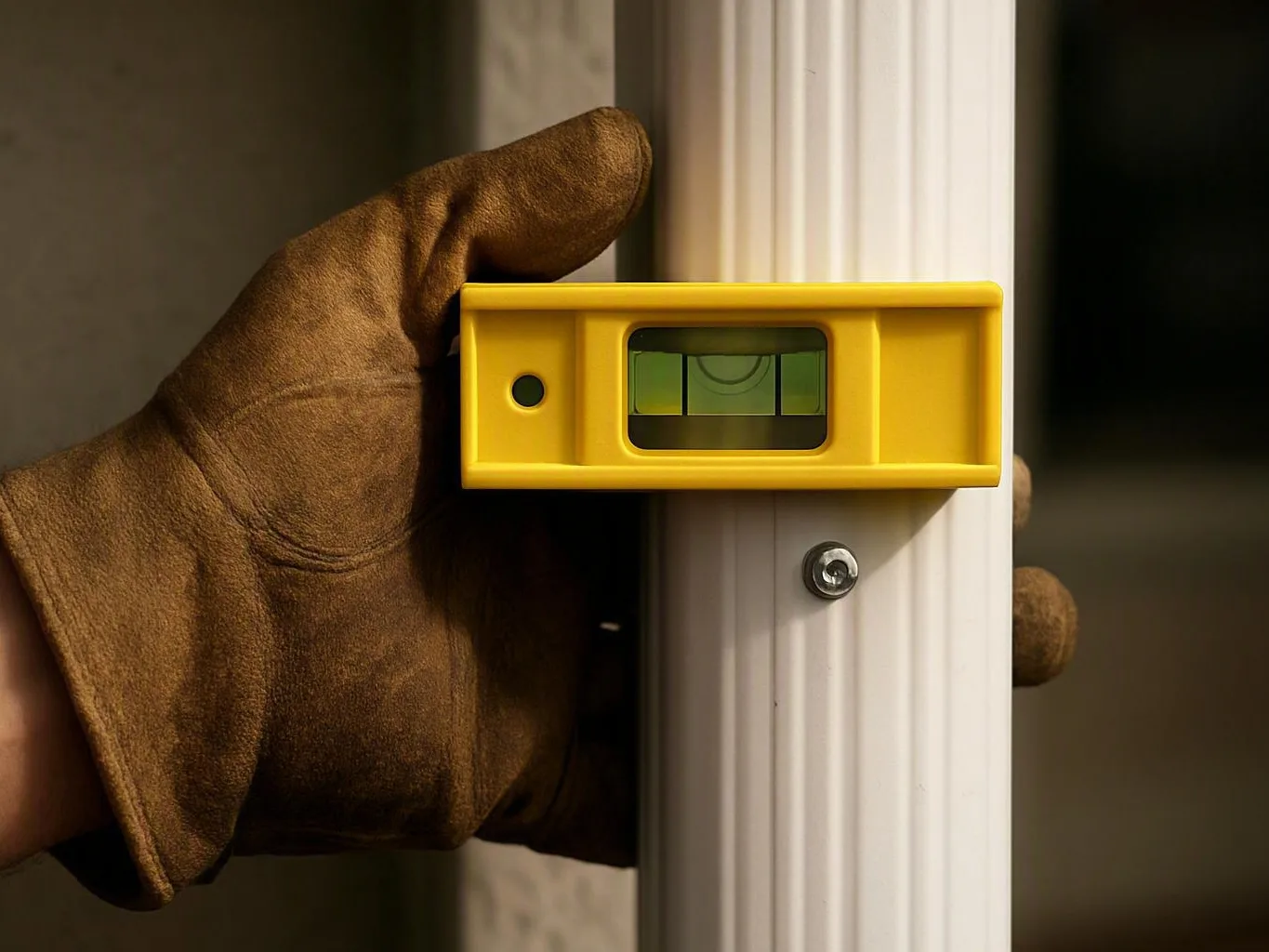
Flashing is a water-shedding part. It covers or protects breaks in roof or wall surfaces. Roof planes, walls, chimneys, vents, skylights, and dormers create joints. Water can collect or change direction at these joints. Flashing guides water back onto the roof or into a drainage system. It keeps water from getting behind building materials.
Related glossary terms: Drip Edge, Gutter Apron, Fascia Board.
Manufacturers make flashing from formed aluminumgalvanized steel, copper, stainless steel, and flexible membrane products. The right material depends on the roof assembly, exposure, movement, and nearby metals. Flashing doesn't seal every joint by itself. Its shape, overlap, fastening method, and layer connections create the main water barrier. Compatible sealants may also support the design.
How Flashing Works, Is Measured, or Is Used?
Installers place flashing in water paths and where the roof plane changes. Step flashing protects the joint between a sloped roof and a sidewall. Counterflashing covers the upper edge of base flashing near masonry. Valley flashing handles heavy runoff where two roof slopes meet. Around roof edges, drip edge and gutter apron move water away from the roof deck. They guide water into the gutter.
A sound installation follows the drainage direction. Upper pieces overlap lower pieces. Penetrations receive shaped boots or collars. Fasteners stay positioned so they don't create avoidable leak paths. Installers inspect the roof underlayment, fascia, and gutter attachment area before covering the work. They also check the flashing. It shouldn't block the gutter slope or leave a gap between the roof edge and gutter back.
Why Flashing Matters?
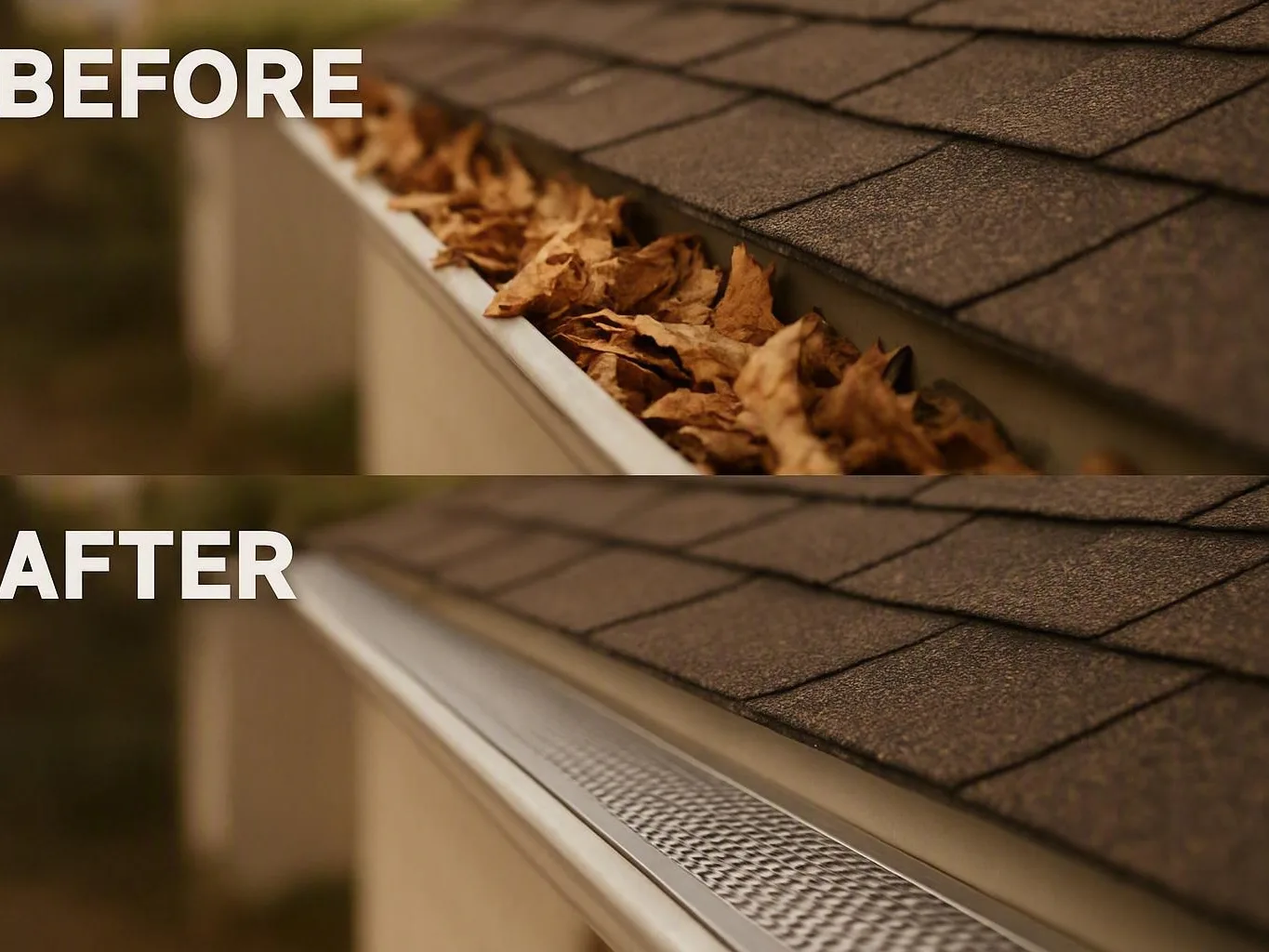
Flashing controls water where ordinary shingles, siding, or roofing membranes can't protect a joint alone. A small opening near a wall or chimney can send water behind the visible surface. Water can then reach roof sheathing. Repeated wetting can cause wood decay, corrosion, mold growth, damaged insulation, and interior staining.
Flashing also affects gutter performance. The roof edge or gutter apron may be missing, short, or misplaced. Runoff may then drain behind the gutter instead of into it. This can wet the fascia board, loosen gutter fasteners, and create stains along outside walls. Fixing the water path often needs more than sealant on the visible seam.
When Flashing Matters Most?
Pay close attention to flashing during roof replacement, gutter installation, siding work, and repairs near roof openings. Older buildings may have thin metal, exposed fasteners, cracked sealant, or several layers. These layers may no longer overlap correctly. Heavy rain can reveal these weak spots. Look for damp fascia, water marks, peeling paint, or soil erosion below one roof section.
Inspection helps after a storm, when a gutter is replaced, or when a roof edge changes. Look for lifted metal, rust holes, separated seams, missing pieces, and water stains below joints. A qualified repair plan should find the entry point. It should remove damaged material when needed. It should restore the drainage sequence. It should test the area without relying on surface caulk alone.
How to Evaluate Flashing?
- Check whether upper flashing pieces overlap lower pieces in the direction of water flow.
- Look for rust, splits, lifted edges, open seams, exposed fasteners, and cracked sealant.
- Confirm that the roof edge directs runoff into the gutter rather than behind the fascia.
- Inspect wood near flashing for softness, discoloration, swelling, or decay.
- Ask whether replacement material is compatible with nearby roofing, siding, and metal components.
Related Concepts Compared
Flashing vs. Drip Edge
Drip edge is a specific roof-edge flashing profile. Flashing is the broader category that includes drip edge and other pieces used at roof joints and penetrations.
Flashing vs. Gutter Apron
Gutter apron is flashing shaped to extend from the roof edge into the gutter. General flashing can protect many other locations that do not connect to a gutter.
Flashing vs. Sealant
Sealant fills or protects a joint, but it does not replace the water-shedding shape and overlap of properly installed flashing. Sealant can fail when exposed to movement, weather, or poor surface preparation.
Flashing vs. Waterproofing
Waterproofing aims to stop water from passing through a material or assembly. Flashing primarily redirects water so the water does not reach vulnerable joints.
Expert Note
Flashing problems often appear at the gutter edge, but the source may be higher on the roof. Trace the complete drainage path before replacing a gutter or applying sealant. A new gutter cannot correct water entering behind missing step flashing or a failed roof penetration.
Common Mistakes or Myths About Flashing
- Treating caulk as a substitute for missing or incorrectly overlapped metal.
- Installing gutter apron behind the fascia instead of connecting it to the roof drainage path.
- Mixing incompatible metals, which can accelerate corrosion at the contact point.
- Nailing through exposed flashing where the fastener can create a leak path.
- Covering damaged wood without finding and correcting the source of the water.
Flashing in Practice: A Real-World Example
Rainwater runs down a sloped roof and reaches a sidewall. Step flashing placed beneath each shingle course directs the water onto the roof surface, while counterflashing protects the wall joint above it. If one section is missing, water may reach the wall framing even when the shingles look intact.
Sources & Further Reading on Flashing
Related Services
Related Terms
Drip Edge
Drip Edge is a metal or rigid water-shedding strip installed along roof edges to direct rainwater…
Gutter Apron
Gutter Apron is a strip of metal flashing installed beneath roof shingles and behind the back…
Fascia Board
Fascia Board is a long, straight board attached along the lower edge of a roof, where…
Runoff
Runoff is water from rain, melting snow, or irrigation that flows across roofs, soil, pavement, and…
All Pro Roofing and Gutters
Have Questions About Flashing?
Contact All Pro Roofing and Gutters for practical guidance on Flashing and related gutter installation and gutter guards work in Memphis.