
What is Gutter Apron?
Gutter Apron is a strip of metal flashing installed beneath roof shingles and behind the back edge of a gutter. It directs roof runoff into the gutter while covering the gap between the roof edge and gutter. A gutter apron helps limit water intrusion behind the gutter and protects the fascia board.
Quick Facts About Gutter Apron
Category
Roof-to-gutter flashing
Used for
Directing runoff into gutters
Common confusion
Often confused with drip edge
Also called
Gutter flashing, Eave flashing
Often discussed with
Gutter Installation, Gutter Inspection
Key Takeaways About Gutter Apron
- A gutter apron sits under roofing material and extends into the gutter.
- Its main job is directing runoff away from the fascia board.
- Correct installation requires compatible flashing, roofing, and gutter materials.
- A gutter apron differs from drip edge, although both manage roof runoff.
- Loose shingles, exposed fascia, and staining can signal missing or damaged flashing.
Understanding Gutter Apron
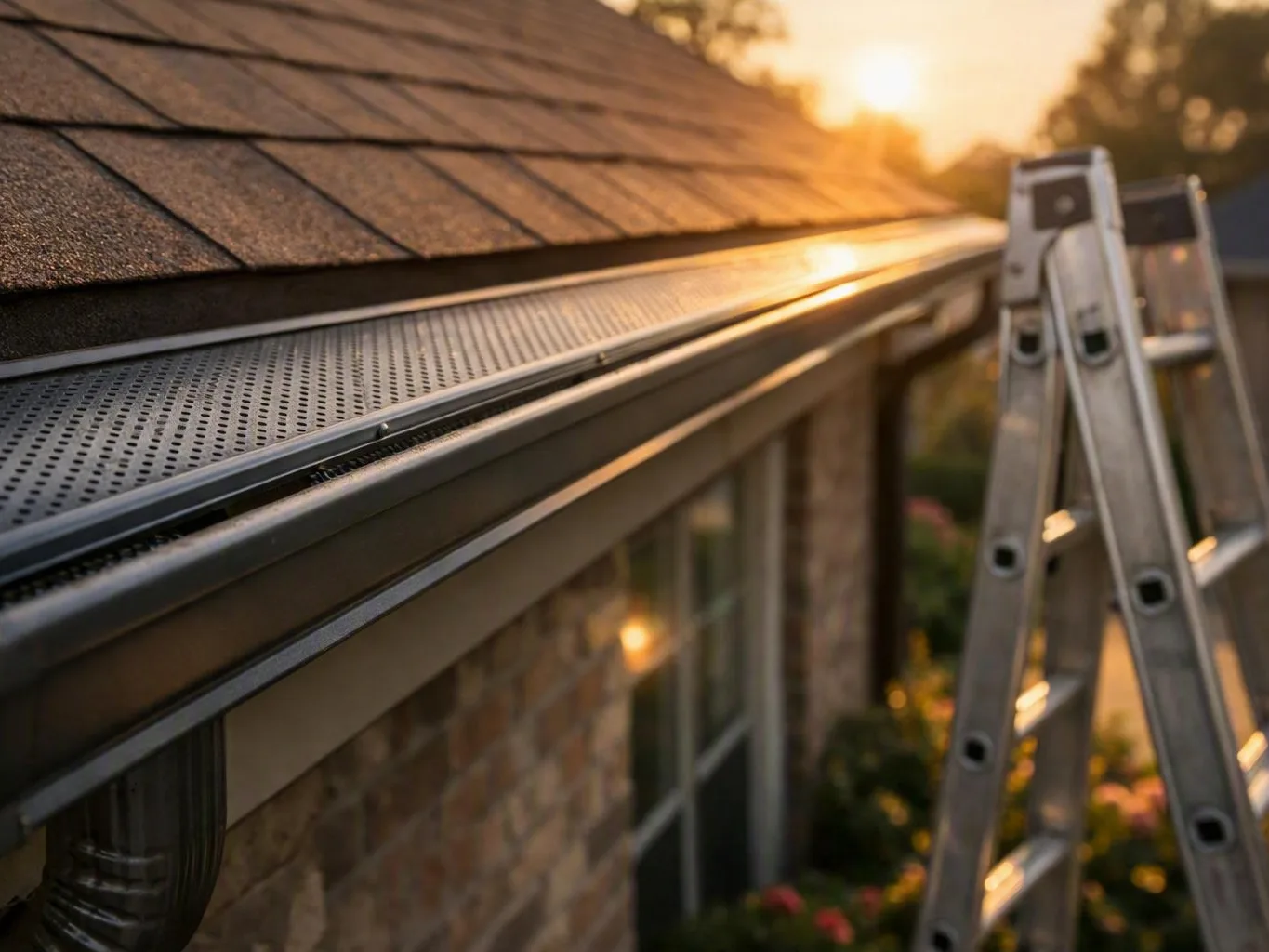
Gutter Apron is a shaped piece of roof flashing. It bridges the roof edge and the gutter. The upper section slips beneath the shingles or another approved roofing layer. The lower section reaches into the gutter. Water then flows toward the channel instead of running behind it.
Related glossary terms: Drip Edge, Flashing, Fascia Board.
A gutter apron usually uses aluminum, galvanized steel, or other rust-resistant metal. Its shape may look like an L or a long angled strip. The shape depends on the roof edge and gutter design. The apron protects the fascia board, roof edge, and nearby sheathing from repeated wetting. It can't correct poor roof drainage or a gutter at the wrong height.
How Gutter Apron Works, Is Measured, or Is Used?
During installation, the roofer or gutter installer aligns the upper flange beneath the roofing material. The installer places the lower flange inside the gutter. The piece must overlap nearby sections enough to stop water entering at the joints. Installers also match the apron with underlayment, shingles, gutter hangers, and the roof edge.
Measurement starts with the roof edge and gutter position. It doesn't start with one standard apron size. The installer checks the needed flange width and the gutter's back height. The installer also checks the space beneath the shingles. A straight, continuous edge matters. Bends, gaps, or fasteners in the water path can cause leaks. Sealant may help at some joints. It shouldn't replace correct metal placement.
A gutter apron is often added during roof replacement or gutter installation. It's also used to repair water damage behind a gutter. The installer may loosen the first shingle course. They may also remove a gutter section for proper overlap. The final check includes a controlled water test. The test follows the roof slope into the gutter without visible flow behind it.
Why Gutter Apron Matters?
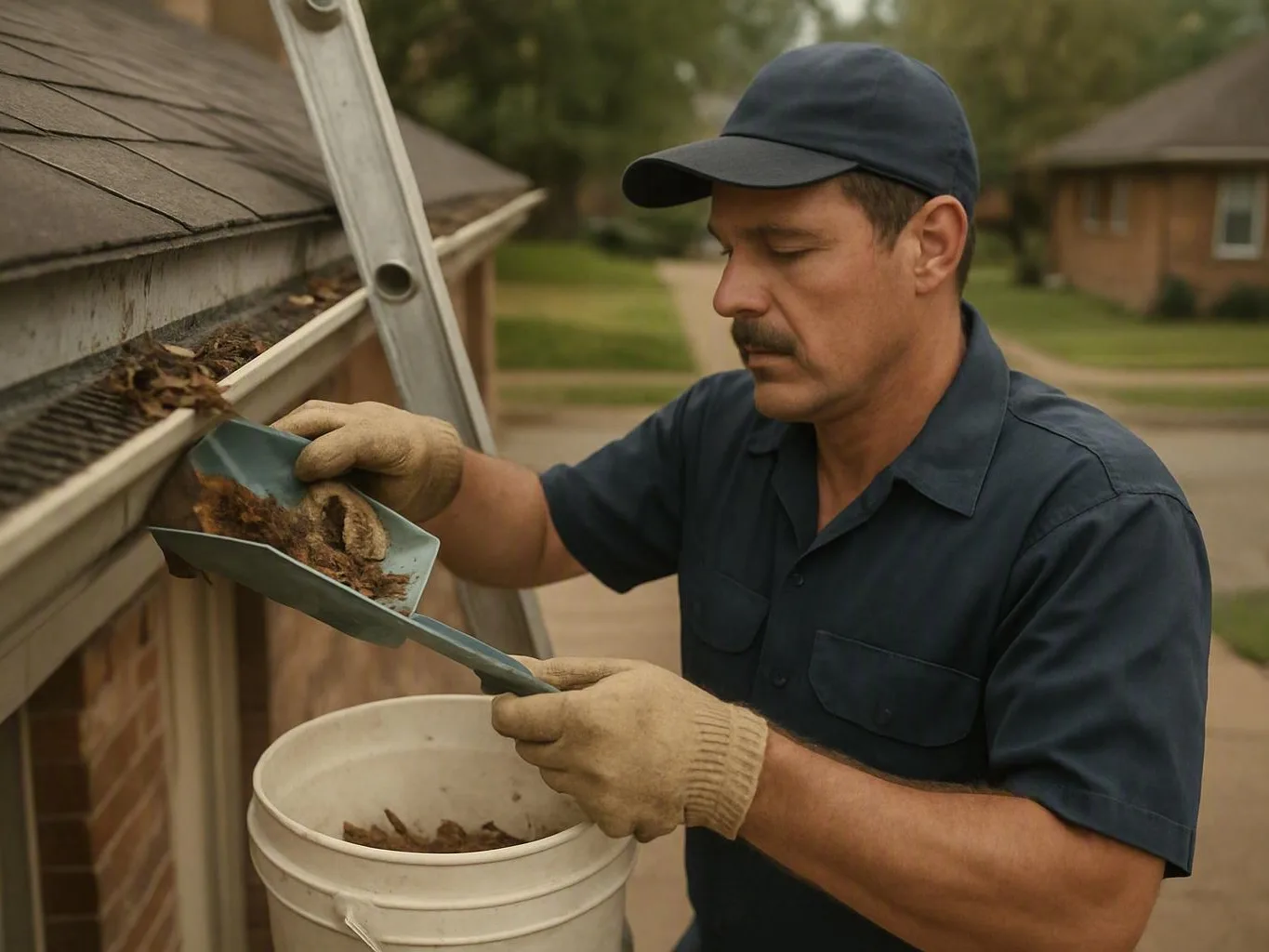
Water that misses the gutter can soak the fascia board, trim, and roof-edge materials. Repeated exposure may cause peeling paint, stained siding, wood decay, or loose gutter fasteners. A properly fitted apron guides runoff into the gutter. This reduces one common path for water damage.
The apron also helps create a clean transition between the roof edge and gutter channel. This transition matters more during heavy rain. It also matters when leaves cause temporary flow changes. An apron can't stop overflow from blocked gutters or small channels. It can't stop overflow from an obstructed downspout. Those conditions still need separate checks.
When Gutter Apron Matters Most?
Gutter apron selection matters during roof and gutter work. This work can change the edge shape. It's especially useful with gutters below a roof with a wide overhang. It's also useful when old flashing is corroded. Water stains behind the gutter also make it important. A careful check should identify the existing drip edge. It should show whether the drip edge already does this job. It should also show whether an apron is needed.
Memphis homes can face repeated roof wetting from strong rain, falling leaves, and humid weather. These conditions make sound flashing and clear downspouts important. During a gutter or gutter guard project, the installer should check the apron. The installer should confirm that it remains easy to reach. Guards shouldn't block drainage. The installer should also follow the roof warranty rules.
How to Evaluate Gutter Apron?
- Check whether the upper flange sits beneath the roofing material rather than over exposed shingles.
- Look for a continuous lower edge that directs water into the gutter without gaps or sharp back bends.
- Inspect the fascia for staining, soft wood, peeling paint, or rust near fasteners.
- Confirm that apron sections overlap correctly and that fasteners do not create an open path for water.
- Run controlled water across the roof edge and watch for flow behind the gutter.
Related Concepts Compared
Gutter Apron vs. Drip Edge
Drip edge is broader roof-edge flashing that helps move water away from the roof edge and fascia. A gutter apron is shaped and positioned specifically to carry runoff into a gutter.
Gutter Apron vs. Roof Flashing
Roof flashing is the general category for materials that direct water away from vulnerable joints. A gutter apron is one specialized type used at the roof-to-gutter transition.
Gutter Apron vs. Fascia Board
The fascia board is the vertical trim board that often supports the gutter. A gutter apron is a metal component installed near that board to reduce water exposure.
Expert Note
A gutter apron does not always fit beneath an existing gutter without adjustment. If the gutter back is tightly fastened to the fascia, the installer may need to remove sections, preserve the roof underlayment, and correct the edge before adding flashing.
Common Mistakes or Myths About Gutter Apron
- Installing the apron over shingles instead of beneath the roofing edge.
- Assuming a drip edge always replaces a gutter apron.
- Leaving gaps between apron sections at corners or joints.
- Blocking the gutter channel with a low or poorly aligned apron.
- Using sealant to hide incorrect placement or damaged roof-edge materials.
Gutter Apron in Practice: A Real-World Example
A two-story Memphis home has dark staining behind its aluminum gutters after several storms. An inspection finds that the shingles end above the gutter, leaving a gap with no apron. The installer adds compatible flashing beneath the shingle edge, places the lower flange into the gutter, and tests the roof flow before reinstalling the gutter section.
Sources & Further Reading on Gutter Apron
Related Services
Related Terms
Drip Edge
Drip Edge is a metal or rigid water-shedding strip installed along roof edges to direct rainwater…
Flashing
Flashing is thin, water-resistant material installed at roof joints, wall intersections, openings, and edges to direct…
Fascia Board
Fascia Board is a long, straight board attached along the lower edge of a roof, where…
Gutter Hangers
Gutter Hangers are hardware pieces that attach a rain gutter to a building’s fascia, rafter tails…
All Pro Roofing and Gutters
Have Questions About Gutter Apron?
Contact All Pro Roofing and Gutters for practical guidance on Gutter Apron and related gutter installation and gutter guards work in Memphis.