How to Choose Among the Different Types of Gutter Guards
Gutter guards keep leaves and debris out of your gutters. Each type works best with certain roofs and debris. The main types include mesh, micro-mesh, reverse-curve, screen, brush, and foam gutter guards. Micro-mesh usually blocks the smallest debris. Screens offer a simpler, lower-cost choice. Foam guards install easily, but they can hold debris and need regular cleaning. Pine needles may collect on some guards. Compare filtering, airflow, roof fit, cleaning access, strength, and total cost before choosing a system.
Get a Free Estimate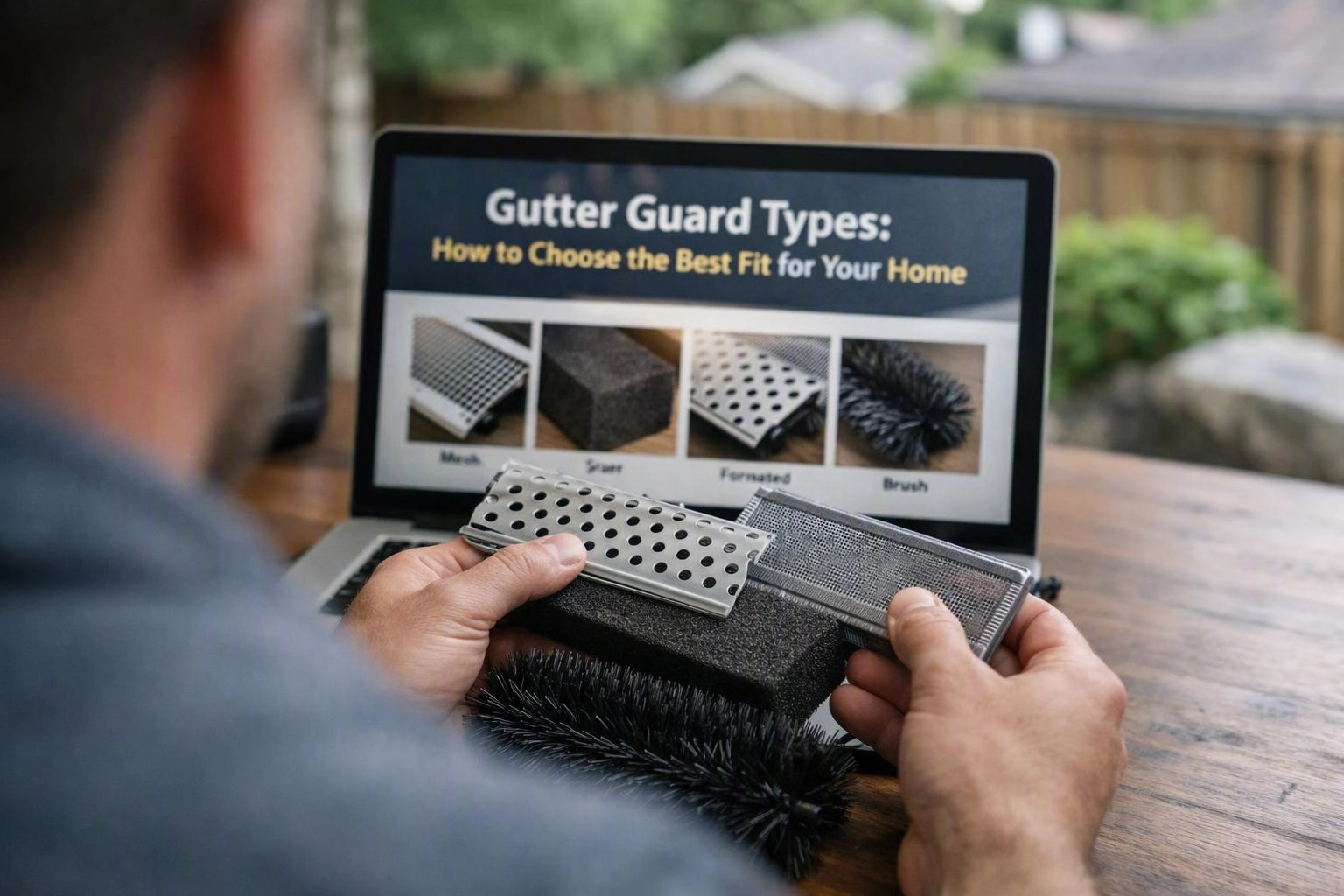
Why Gutter Guard Type Matters for Your Home?
Each gutter guard controls debris, water, cleaning, and installation in a different way. Choose a guard that fits your roof, gutters, trees, and rainfall. The right system can reduce clogs without causing new drainage problems.
Gutters are part of your roof drainage system. They carry rainwater to downspouts and away from your foundation. A cover can block leaves but slow water during heavy rain. Another cover may allow too much debris into the gutter.
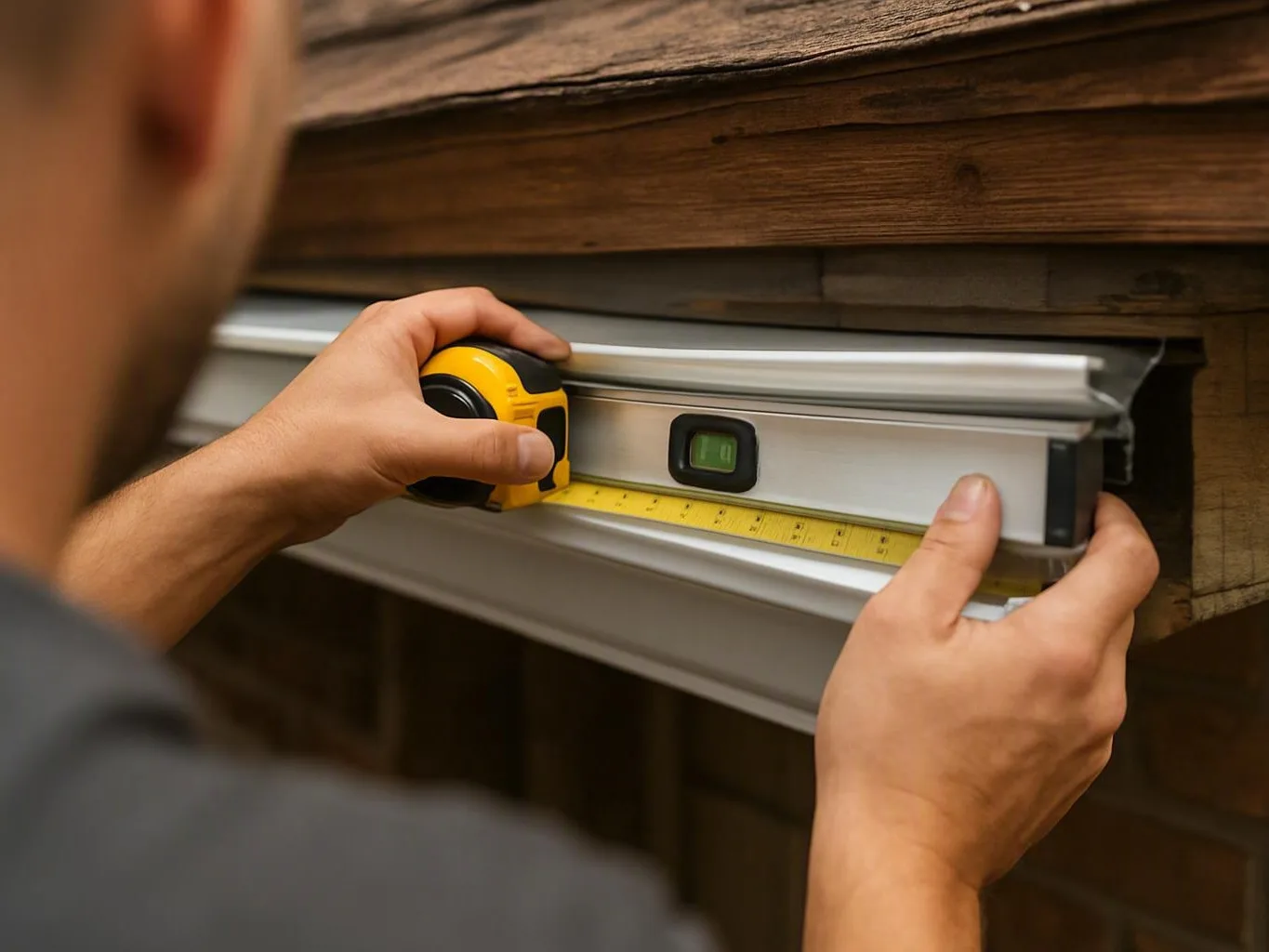
Our team checks fascia, shingles, roof edges, and attachment points. Gutter Installation and Gutter Guards should work well together. All Pro Roofing and Gutters can review these areas first.
What Are the Different Types of Gutter Guards?
The main types are mesh, micro-mesh, screen, reverse-curve, foam, and brush guards. Mesh guards let water pass through small openings. Micro-mesh uses even smaller openings. Screens form a basic barrier. Reverse-curve covers guide water around a hood. Foam and brush guards sit inside the gutter.
| Type | How it works | Best fit | Main concern |
|---|---|---|---|
| Mesh gutter guards | A panel with holes covers the gutter. | Mixed leaves and moderate debris | Small debris may pass through. |
| Micro-mesh gutter guards | Very small openings filter rainwater. | Pine needles and fine roof debris | The filter may need careful cleaning. |
| Screen gutter guards | A basic grid rests over the gutter. | Simple, accessible installations | Needles and small leaves may enter. |
| Reverse-curve gutter guards | A hood guides water into the gutter. | Roofs suited to a hooded design | Water can overshoot in some conditions. |
| Foam gutter guards | A porous insert fills the gutter. | Straightforward insert fitting | The insert can hold moisture and debris. |
| Brush gutter guards | Flexible bristles sit inside the gutter. | Light debris and easy removal | Leaves may rest on the bristles. |
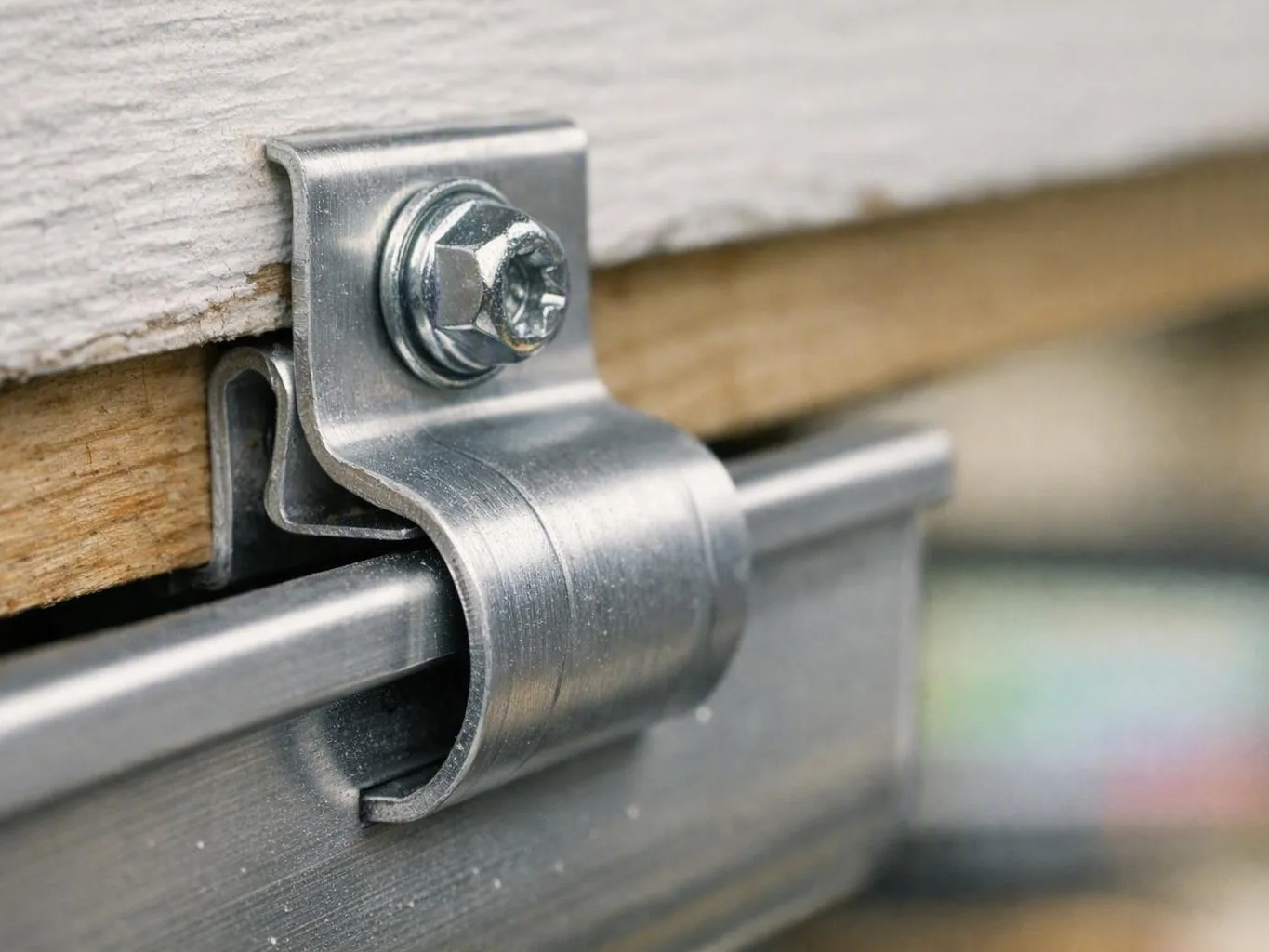
Material, roof fit, and installation all affect results. A five- or six-inch gutter may need special fasteners. Older or custom gutters may need another approach. The right product must fit corners and valleys securely. It should also allow access to gutters and downspouts.
How Each Gutter Guard Design Works?
Each design gives rainwater and debris a different path. That path affects filtering, water flow, and cleaning needs.
Mesh guards place a panel over the gutter. Small holes let water enter while blocking leaves. Micro-mesh uses smaller holes. It blocks finer debris but may collect roof granules and pollen.
Reverse-curve covers use surface tension. Rain follows the hood and turns into the gutter. Larger debris slides away. Roof pitch, wind, dirt, and heavy rain can change results.
Foam and brush guards sit inside the gutter. Water moves through or around the insert. These guards are easy to remove. They may hide buildup and need regular checks.
Are Mesh or Micro-Mesh Gutter Guards Better?
Micro-mesh gutter guards usually block finer debris than standard mesh. They can stop many pine needles and roof granules. Standard mesh may let in more water and need simpler care. The better choice depends on debris, roof conditions, airflow, and installation quality.
Mesh guards often work well where large leaves cause most clogs. Their openings may admit more water during strong storms. The surface may also be easier to brush clean. Small needles, granules, and seed pods can still pass through.
Micro-mesh guards suit homes with fine debris. They can block more pine needles and granules. They still need care, though. Dust, pollen, and roof grit can slow water flow over time.
Our team checks the roof pitch, shingles, fascia, gutter slope, and fasteners. Residential panels often span several feet. Panel sizes vary by product. Both guard types still need good cleaning access.
What Are the Pros and Cons of Foam Gutter Guards?
Foam gutter guards are porous inserts. They let water pass while holding leaves above the gutter. They fit easily and show little hardware. They can also collect debris, hold moisture, grow moss, and reduce water flow. You may need to remove and clean them often.
Foam isn't right for every wooded property. It may work with regular cleaning and checks. It may fail where valleys send heavy debris. It may also struggle where moisture stays in the gutter.
Do Gutter Guards Work with Pine Needles?
Gutter guards can reduce pine needle entry. No guard removes all care in wooded areas. Micro-mesh usually offers finer screening. Larger screens may let needles through or collect them on top. Roof pitch, guard angle, gutter slope, trees, and inspections also matter.
Pine needles are long and light. They can lodge across openings. Wind may push them under an edge or into a valley. Fine filters stop more needles, but needles can still form a mat.
Homes near pine trees often need checks after shedding seasons. Roof valleys and low-slope areas need extra care. Debris may sit there instead of washing away. The guard angle should shed debris without leaving gaps.
Ask how the system handles pine needles and roof granules. Ask about seasonal cleaning too. The answer should cover roof pitch, gutter slope, downspouts, and cleaning access.
Features and Challenges to Compare Before Installation
Compare gutter guard features with your home's needs. Check opening size, material strength, fasteners, gutter fit, water flow, and cleaning access. A fine filter may still cause trouble if water flow drops. It may also create problems if repairs are hard.
Homeowners need leaf protection and easy service. Our crews check the roofline, fascia, shingles, gutters, wind, and fasteners. We do this before fitting a cover.
Key features that matter
Common challenges to expect
How Much Does Gutter Guard Installation Cost?
Gutter guard installation cost depends on gutter length, guard type, and roof access. Gutter condition and needed repairs also affect the price. A clear estimate should list product, labor, prep work, and warranty terms. It should also state if cleaning or downspout work is included.
Longer gutters need more material and labor. Hard roof access can add work, so can steep roofs, corners, more than one level, and damaged fascia. Screens, mesh, micro-mesh, reverse-curve covers, and inserts all install differently.
Gutters should be cleaned and checked before installation. Look for leaks, sagging, loose hangers, and poor slope. A blocked downspout can make a new guard seem faulty. Repairs may be needed first.
Most jobs take one to several days. Home size, access, repairs, and system type affect timing. This range isn't a promise for every home. We provide a written scope for easy cost comparison.
When Professional Inspection and Cleaning Make Sense?
Professional help makes sense when problems aren't clear from the ground. A short inspection can find hidden buildup and loose guards. It can also show if the gutter or downspout causes the issue.
- Schedule a gutter inspection when gutters sag, leak, or have an odd shape.
- Clean gutter guards when needles, moss, dust, or granules cover them.
- Clear downspouts when water backs up, spills, or drains slowly.
- Check gutters after storms, roof work, or visible overflow.
- Plan seasonal care around local trees and roof debris.
Our team checks fit, cleans gutters, and explains repair needs. Gutter Guard Cleaning in Memphis can help manage seasonal debris. These same care steps help in other areas too.
Questions About Gutter Installation and Gutter Guards
What Are the Different Types of Gutter Guards?
Mesh and micro-mesh use filter panels. Screens make a basic barrier. Reverse-curve covers guide water with surface tension. Foam and brush products sit inside the gutter.
Are Mesh or Micro-Mesh Gutter Guards Better?
Micro-mesh usually filters finer debris, including many pine needles and roof granules. Standard mesh may admit water more freely. It may also be easier to maintain. The right choice depends on roof fit, debris, water flow, and installation quality.
What Are the Pros and Cons of Foam Gutter Guards?
Foam guards are easy to fit and show little hardware. They can collect leaves, hold moisture, grow moss, and reduce water flow. They need regular removal, checks, and gutter cleaning.
Do Gutter Guards Work with Pine Needles?
They can reduce pine needle entry, but they don't remove all maintenance. Fine filters often work better than large screens. Needles can still collect on top. Roof pitch, valleys, guard angle, gutter slope, wind, and inspections affect results.
How Much Does Gutter Guard Installation Cost?
Cost varies with gutter length, guard type, labor, roof access, and gutter condition. Cleaning, repairs, and fasteners also affect price. A clear estimate should list materials, labor, prep work, warranty terms, downspout work, and future care.
Choosing a gutter guard gets easier when it fits your roof and debris. We can inspect your drainage system and explain each installation method. You'll see the long-term care needs before choosing.
Request an inspectionRelated Resources
How Much Does Gutter Installation Cost in Memphis?
Memphis gutter installation cost
Compared ToShould You Repair or Replace Your Gutters?
gutter repair vs replacement
Compared ToWhich Gutter Guards Work Best for Leaves and Pine Needles?
best gutter guards for pine needles and leaves
How It WorksWhat Happens During a Professional Gutter Inspection?
professional gutter inspection process