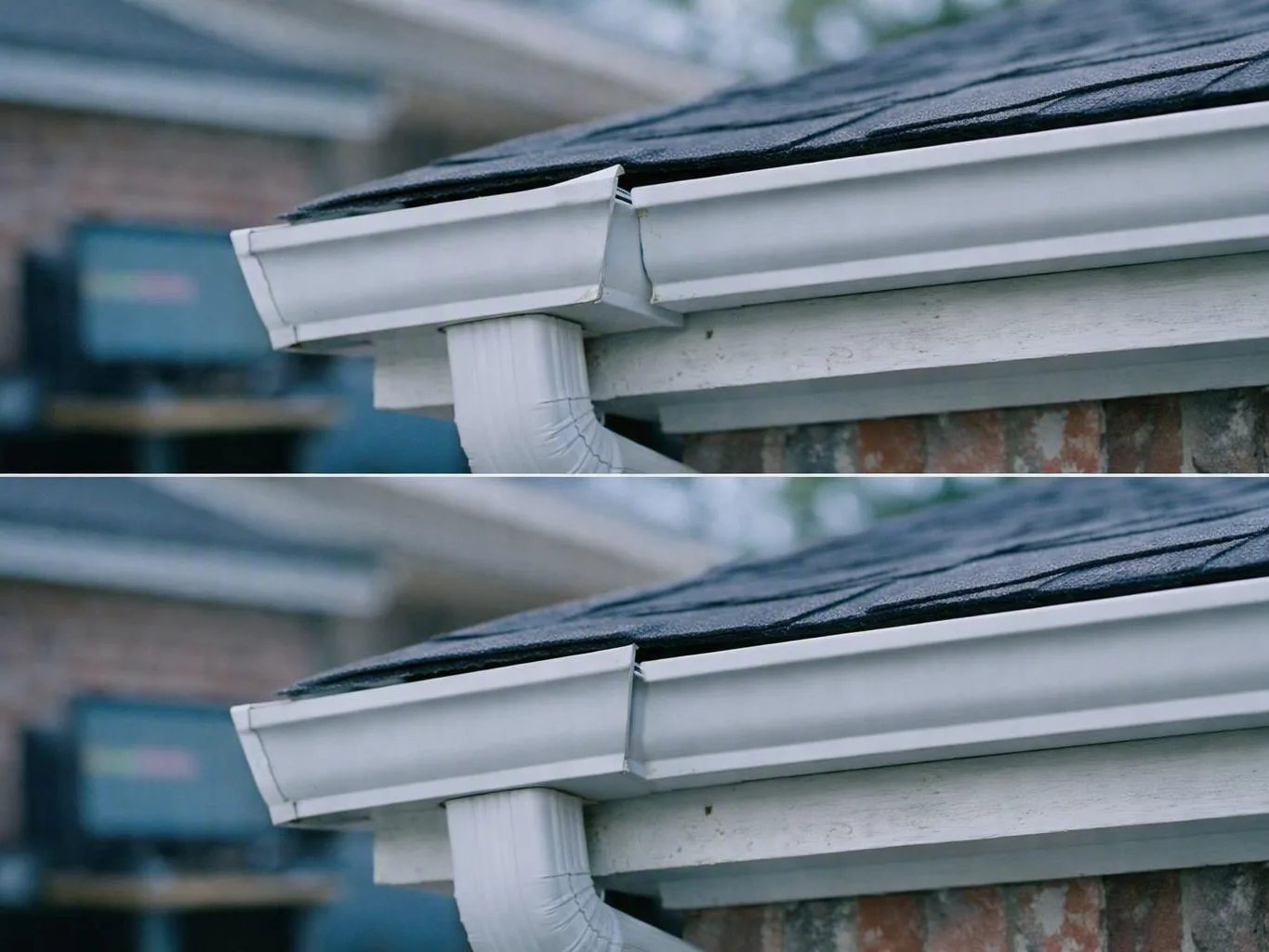
How a Rain Garden Downspout Retrofit Works
A rain garden downspout retrofit installation moves roof water into a shallow, planted basin. The installer checks drainage, sizes the route, and changes the downspout. The work may include a solid pipe, flexible extension, and stone at the inlet. The basin holds and filters water before it enters the soil. Extra water leaves through an overflow route. Gutter type, soil, slope, basin size, and roof flow shape the plan. A skilled retrofit helps prevent wet foundations, basement leaks, and yard erosion.
Get a Free Estimate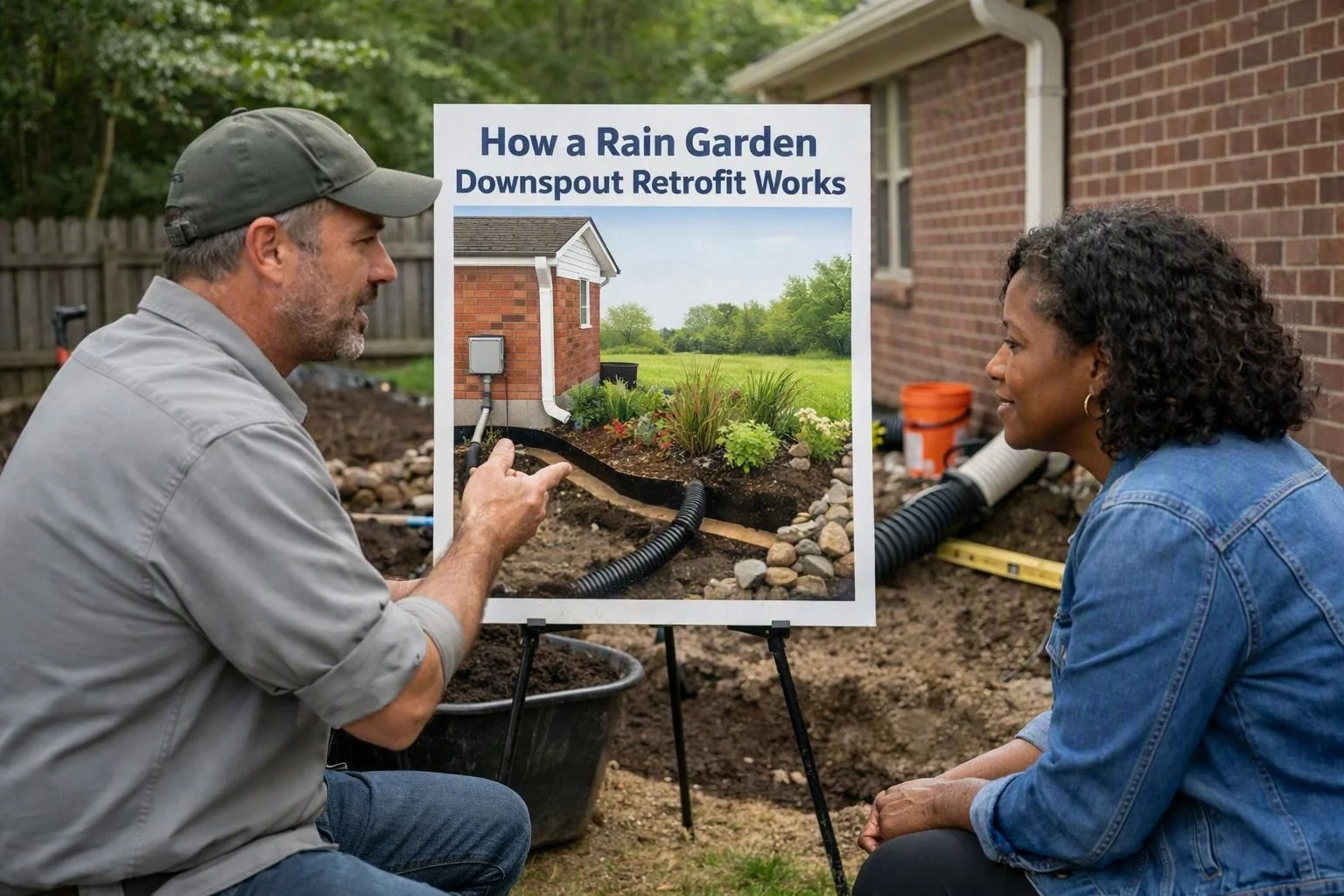
How a Rain Garden Downspout Retrofit Works?
Rain garden downspout retrofit installation moves roof water from a gutter system into a planted basin. The basin slows the flow and holds water for a short time. Soil and plant roots then help filter the water.
The process starts at the roof. Gutters catch rain and send it through an outlet and downspout. A diversion route carries that flow to the rain garden. The route may stay above ground or use buried solid drainage pipe.
Good planning takes more than joining a pipe. The installer checks the slope, foundation space, soil, and drain rate. Slow soil may need a larger basin or added soil. A steep route may need stone, bends, or a splash block.
The rain garden needs safe space from the building. Stone or another firm surface should protect the inlet. This keeps water from cutting through mulch or exposing roots. An overflow outlet also helps during large storms.
Roof size and rain levels affect the layout. A small roof area may need one route. A large roof may need several routes or a larger basin. We check these details before choosing pipe size and fittings.
This stormwater management method does more than place a long pipe beside the lawn. A well-planned rain garden drainage connection protects the home and yard. It also gives water a safe place to spread and enter the soil.
What Are the Steps for Installing a Downspout Retrofit to a Rain Garden?
A downspout retrofit installation has seven basic steps. These steps include a site check, basin review, route sizing, downspout changes, pipe work, inlet protection, and overflow testing. Each step helps move roof water away from the foundation.
These steps work for solid-pipe rain garden connections and buried downspout extensions. They also work for splash-block discharge retrofits. The best choice depends on access, digging, upkeep, slope, and water volume.
Some homes need wider drainage work. Our team may review the rain garden connection with Gutter Installation and Gutter Guards. In Memphis, Rain Garden Gutter and Downspout Retrofits may be part of a larger home drainage system. The same site checks still apply.
How Do You Redirect a Downspout to a Rain Garden?
A downspout can reach a rain garden through an above-ground extension, buried solid pipe, or both. The route needs a slope away from the foundation. It also needs matched fittings, a protected inlet, and an overflow path.
An above-ground downspout extension is easy to inspect and adjust. It can work with a splash block at the basin. This choice needs less digging. It stays visible, though, and lawn tools or strong flow may move it.
Buried drainage pipe keeps the yard line clean. It also shields the route from damage. We connect the downspout adapter to solid pipe and keep a steady slope. Long routes may need cleanout points. Buried pipe needs care because clogs are harder to find.
The inlet should not send water against the foundation or bare soil. We leave space from the foundation and use stone or another firm surface. The basin should spread water instead of forming a fast channel. Poor soil may need more storage or an overflow outlet.
Both systems can work when sized well. The choice depends on looks, access, digging, yard changes, slope, and upkeep. A neat route can still cause trouble without an overflow path.
Which Gutters and Downspouts Can Feed a Rain Garden?
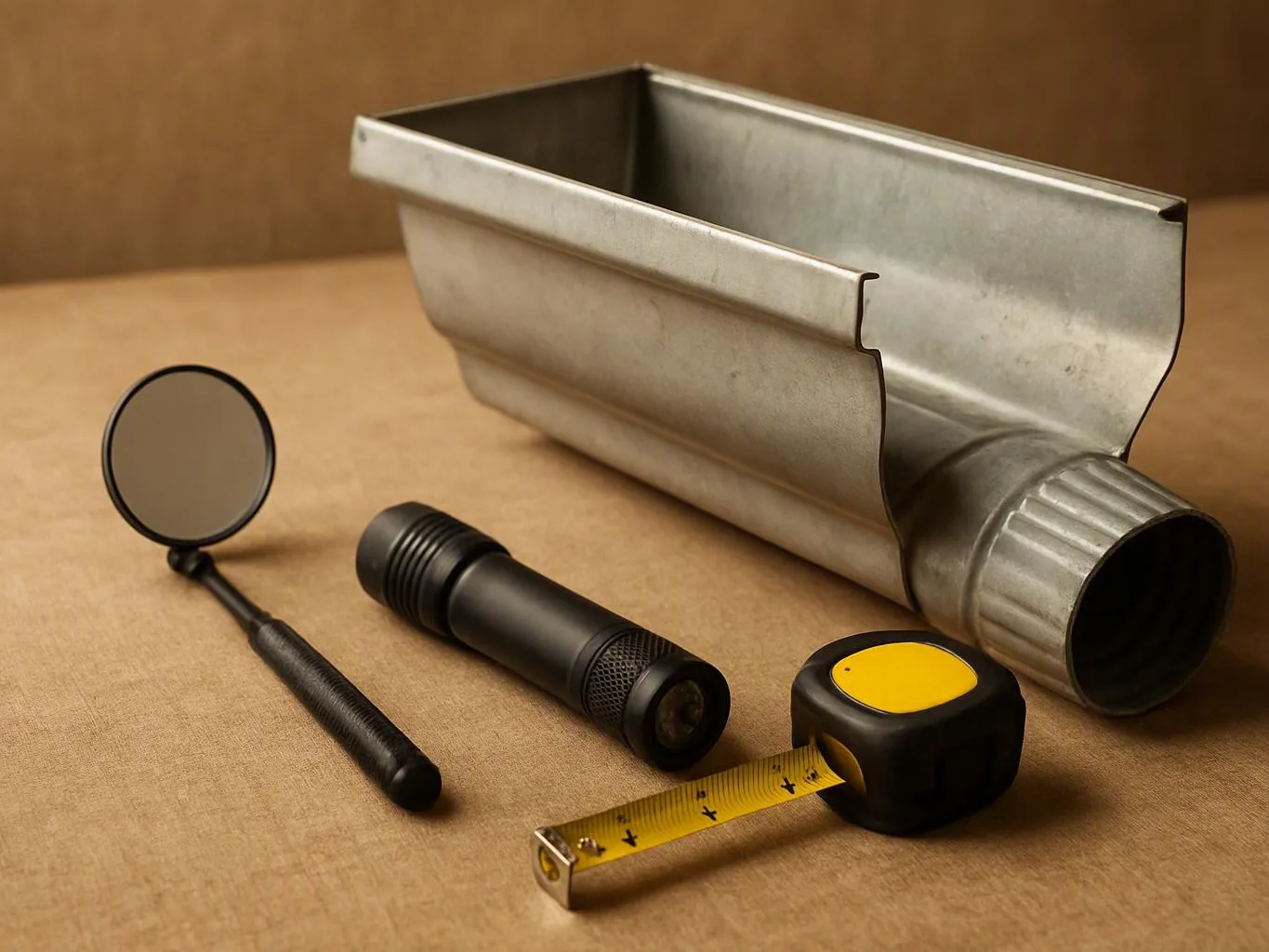
Most pitched home gutters can feed a rain garden. The downspout, outlet, adapter, and pipe must match the water flow. Aluminum, vinyl, and steel systems may work with the right fittings. The plan must also consider roof size, rain rate, debris, and basin capacity.
Aluminum gutters are common. They usually connect through a matching outlet and downspout adapter. Vinyl gutters can work too. Their fittings must match the shape and avoid stress on older joints. Steel downspouts can work when the adapter seals well.
Rectangular and round downspouts may both feed the basin. Their shapes affect adapters, elbows, and pipe joints. A fitting for one shape may not seal well on another.
Roof size helps set the route size. A small roof section may send a safe amount of water through one outlet. A broad roof or shared gutter can send much more water. Separate routes may protect the inlet and keep the basin from filling too fast.
Leaf screens and regular gutter cleaning help protect the connection. They don't replace proper sizing or checks. Soil and basin capacity still matter. Compacted soil may drain slowly. Our team can review the gutter and downspout diversion before choosing fittings.
How Long Does Installation Take and What Affects Cost?
Rain garden installation cost depends on basin size, digging, soil work, pipe length, downspout changes, plants, access, and overflow work. A small retrofit may need little labor. A large or hard-to-reach site may need more work. A site quote gives a better answer than one set price.
Labor costs rise when the route is long or soil is packed. Work around plants, paving, fences, or utility lines can also take longer. The project may need new soil to improve drainage. Pipe, adapters, stone, mulch, plants, and an overflow outlet affect the total cost.
Most small jobs take about one to two working days. Larger projects often take several days. These are planning ranges, not promises. Weather, access, basin depth, and roof size can change the schedule.
| Project size | Typical duration | Common cost factors |
|---|---|---|
| Small | About 1–2 working days | Short route, little digging, one downspout, basic inlet protection |
| Average | About 2–4 working days | Medium basin, buried drainage pipe, soil work, plants, overflow work |
| Large | Several working days or more | Large roof area, many routes, hard digging, major soil work, complex overflow |
A clear estimate separates gutter work from yard work. Ask what the price includes. Check for digging, soil work, pipe, inlet stone, plants, cleanup, and overflow protection. We use these details to explain the job clearly.
How Should the Retrofit Be Tested and Maintained?
A finished retrofit should be tested with a controlled flow of water. This checks the downspout, pipe, inlet, basin, and overflow route. Upkeep includes gutter cleaning, debris removal, pipe checks, mulch care, and plant care.
For a water test, add water to the gutter or use a hose. Watch the full route. Check the gutter outlet and downspout adapter for leaks. Make sure water reaches the basin and spreads across it. Extra water should leave through the planned overflow outlet.
Gutter cleaning matters before wet weather and after heavy leaf fall. Leaves can block the outlet, extension, inlet stone, or buried pipe. Remove basin sediment when it slows drainage or covers plants.
Keep mulch at a steady depth. Don't cover the downspout discharge point. Trim or replace plants as needed. Fix bare soil quickly. Strong storms may damage erosion control.
Look for standing water that lasts too long. Also check for cracked joints, clogged pipes, sinking soil, exposed roots, and water near the foundation. These signs may show a clog, poor soil drainage, or an overflow issue.
Our crews can check the connection during regular gutter service. We can also check it after major yard changes. A well-kept stormwater downspout retrofit helps protect the home and basin.
Questions About Gutter Installation and Gutter Guards
How Do You Redirect a Downspout to a Rain Garden?
Use a matching downspout adapter, above-ground extension, buried solid pipe, or both. Keep the route sloped from the foundation. Protect the inlet from erosion. Add an overflow outlet for extra water.
How Much Does a Rain Garden Cost to Install?
Cost varies with basin size, digging, soil work, pipe length, downspout changes, plants, access, and overflow work. A site estimate works better than one set price. Roof size, soil, and project size can differ.
How Does a Rain Garden Downspout Retrofit Work?
It changes where an existing gutter and downspout release roof water. The water flows into a planted basin. The basin holds and filters water. A firm inlet and overflow route control strong flow.
What Type of Downspout Is Needed for a Rain Garden?
Aluminum, vinyl, and steel downspouts can work. Round and rectangular downspouts are both fine. The outlet, adapter, fittings, and solid pipe must match the shape and water flow.
Can Gutters Be Connected to a Rain Garden?
Yes. Pitched gutters can send water through an outlet and downspout into a rain garden. The route needs space from the foundation, enough capacity, a protected inlet, suitable soil, and safe overflow.
Planning a rain garden drainage connection starts with the gutter system and roof area. Soil and the safest discharge route also matter. Our team can review the extension, buried pipe, inlet, and overflow plan.
For a clear scope and practical installation plan, contact All Pro Roofing and Gutters through our contact page.
Related Resources
How Much Does Gutter Installation Cost in Memphis?
Memphis gutter installation cost
What It CostsHow Much Do Downspout Installation and Extensions Cost?
downspout installation and extension cost
What It CostsHow Much Does a Gutter-Connected Rainwater Harvesting System Cost?
rainwater harvesting gutter system cost
Who It's ForRainwater Harvesting Gutter Systems and Memphis Stormwater Credits
Memphis stormwater credit rainwater harvesting