How Gutters and Downspouts Prevent Foundation Water Pooling
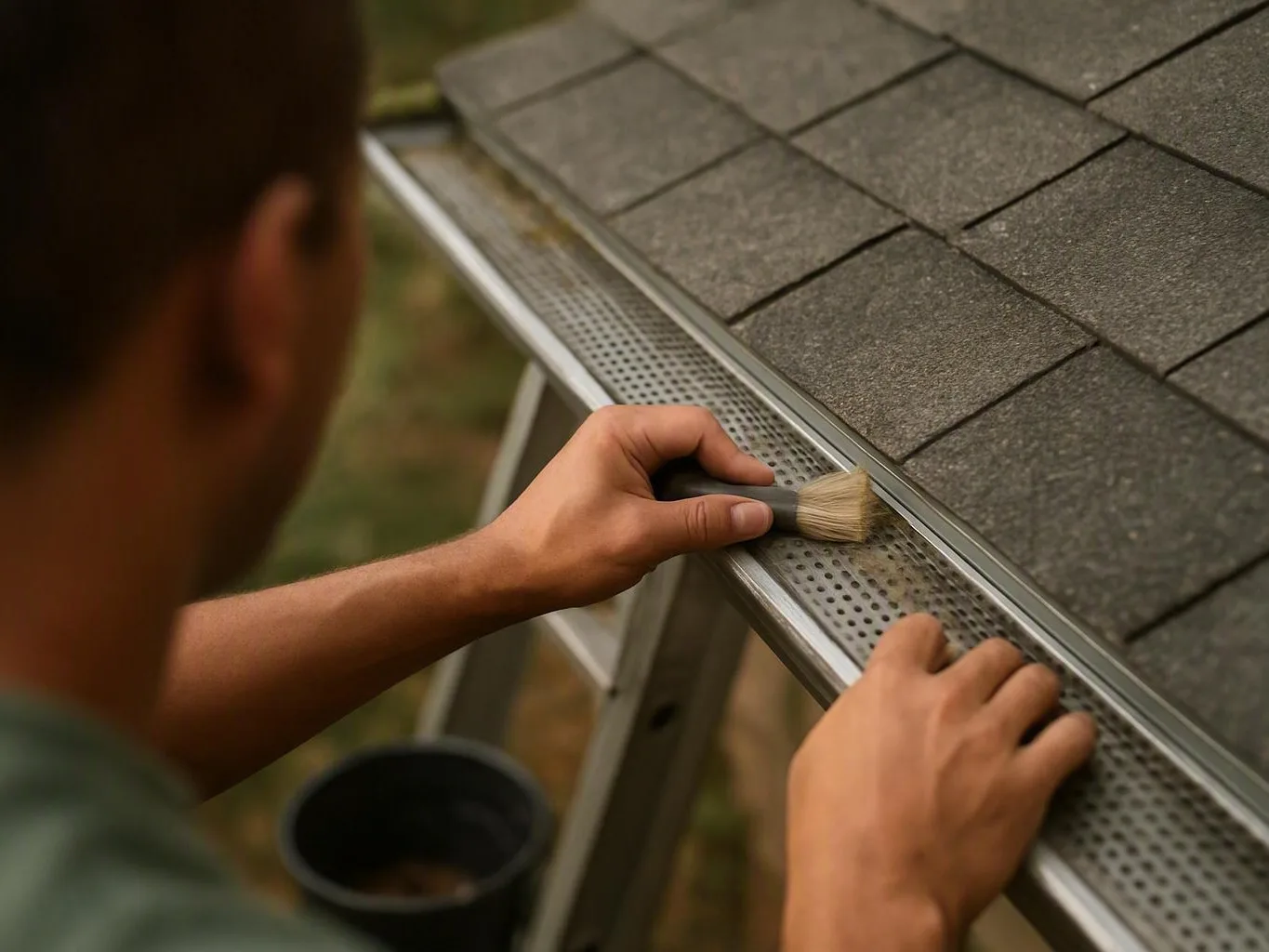
Gutters and downspouts help stop water pooling near your foundation. They collect roof runoff and move it away from your home. Clogged gutters, short downspouts, poor grading, damaged extensions, and blocked drains can send water beside foundation walls. Check gutters after storms. Clear debris and extend downspouts when needed. Also check underground drains for blockages. Ongoing pooling, soil loss, wet walls, cracks, or washed-out mulch show a drainage problem. You may need gutter inspection, downspout extensions, underground drainage, or professional downspout installation.
Get a Free Estimate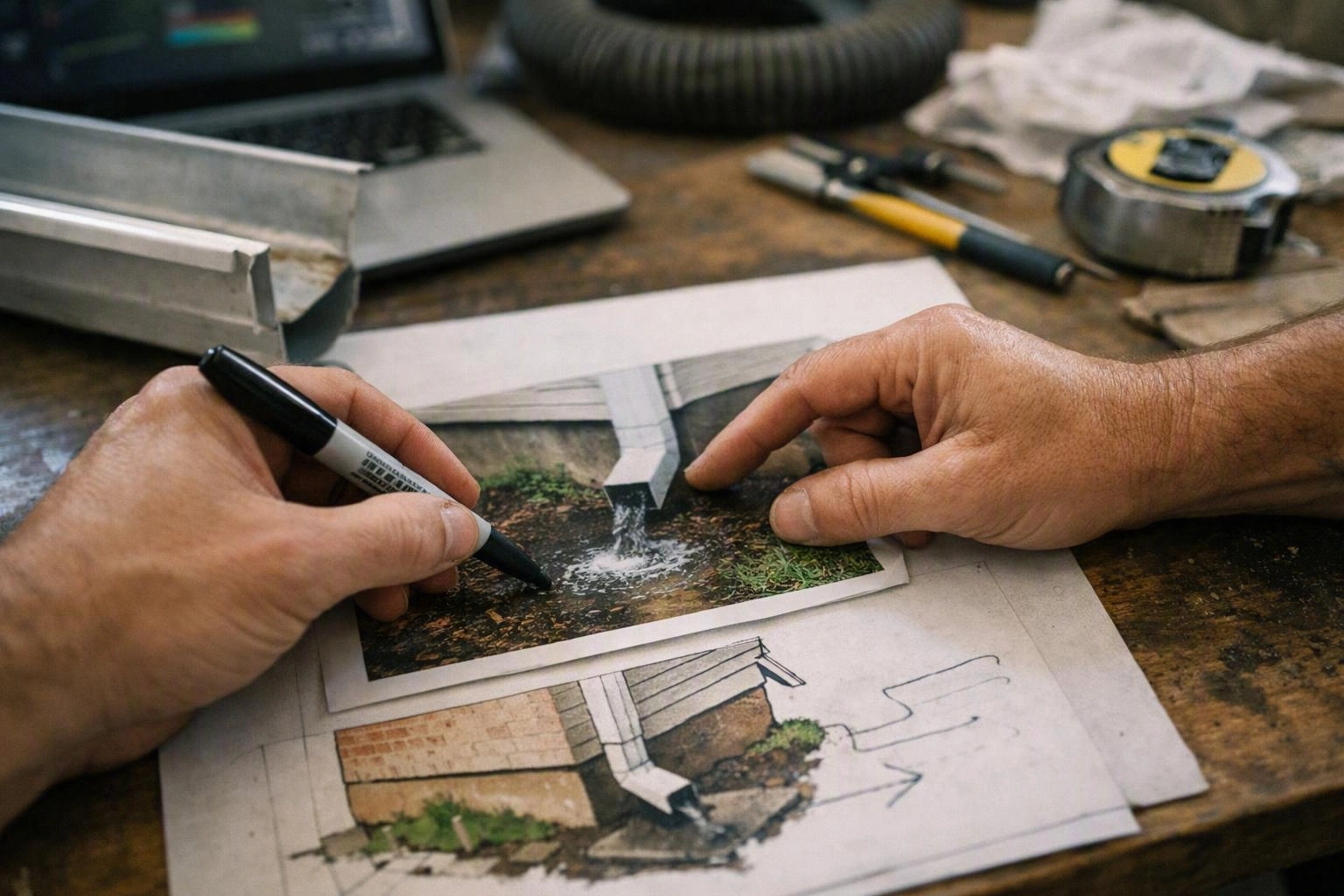
Gutters and downspouts move roof runoff away from foundation water pooling and drainage problems. All Pro Roofing and Gutters helps homeowners trace water from the roof to the soil. Then, we help choose a fix that fits the property.
Why Does Water Pool near a Foundation After It Rains?
Foundation water pooling starts when runoff cannot move away from the house. Gutters may overflow, or downspouts may release water too close. This can soak soil, cause erosion, and add pressure near foundation walls. It can also raise the risk of basement or crawl-space moisture.
Rain falls across a large roof area before entering the gutters. During a strong storm, water can arrive very fast. A blocked or weak gutter system may not handle that flow. Water then spills over the edge or runs toward the foundation.
Soil grading also controls water flow. Good grading sends water away from the house. Negative grading sends water toward the foundation. Clay soil absorbs water slowly. Loose soil may wash away and form a channel beside the wall.
Patios, walkways, window wells, and nearby roofs can add more water. Watch the property during and after rain. Follow where water starts, slows, and collects. This check can show the best first step. You may need gutter care, a longer outlet, better grading, or a larger drainage fix.
Check most pooling within 24 to 48 hours after a storm. Heavy rain may leave water for a short time. Water that stays beside the foundation needs attention.
What Signs Show Poor Drainage Around a Foundation?
Poor foundation drainage can leave standing water or damp soil. It can also erode landscaping and bring moisture indoors. Watch for cracks, wet basement walls, wet crawl-space walls, mold smells, settled soil, and moved mulch.
One sign does not always mean structural damage. Several signs along one water path need a closer check. An inspection can help before the next heavy rain.
Take photos after rainfall to show the water path. A gutter inspection should cover the roof edge and fascia. It should also cover the downspout inlet, outlet slope, and ground below.
Common Causes of Water Pooling Beside the House
Water beside a house often has a clear cause. Start with the path from the roof to the ground. The right fix depends on where the water stops.
- Clogged gutters hold leaves, grit, and dirt until rain spills over the edge.
- Blocked downspouts stop roof runoff from leaving the gutters.
- Short downspout outlets release water too close to the foundation wall.
- Negative grading sends surface water toward the house.
- Damaged underground drainage may be crushed, loose, or blocked by roots.
Storm strength also matters. A system may handle light rain but overflow during a strong storm. Wet soil has less room for new water. A small flaw can then create a large puddle.
Can Clogged Gutters Cause Foundation Water Problems?
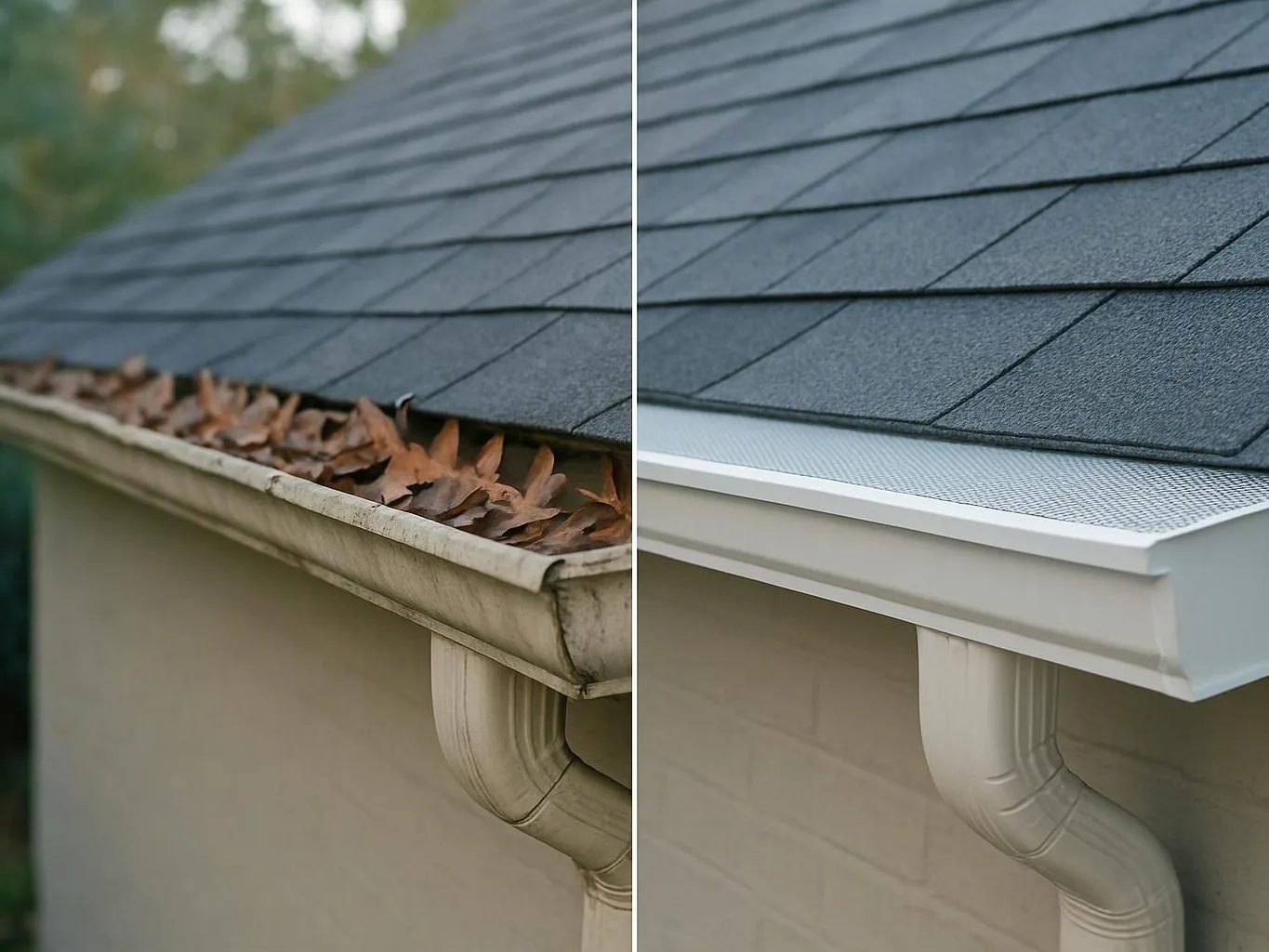
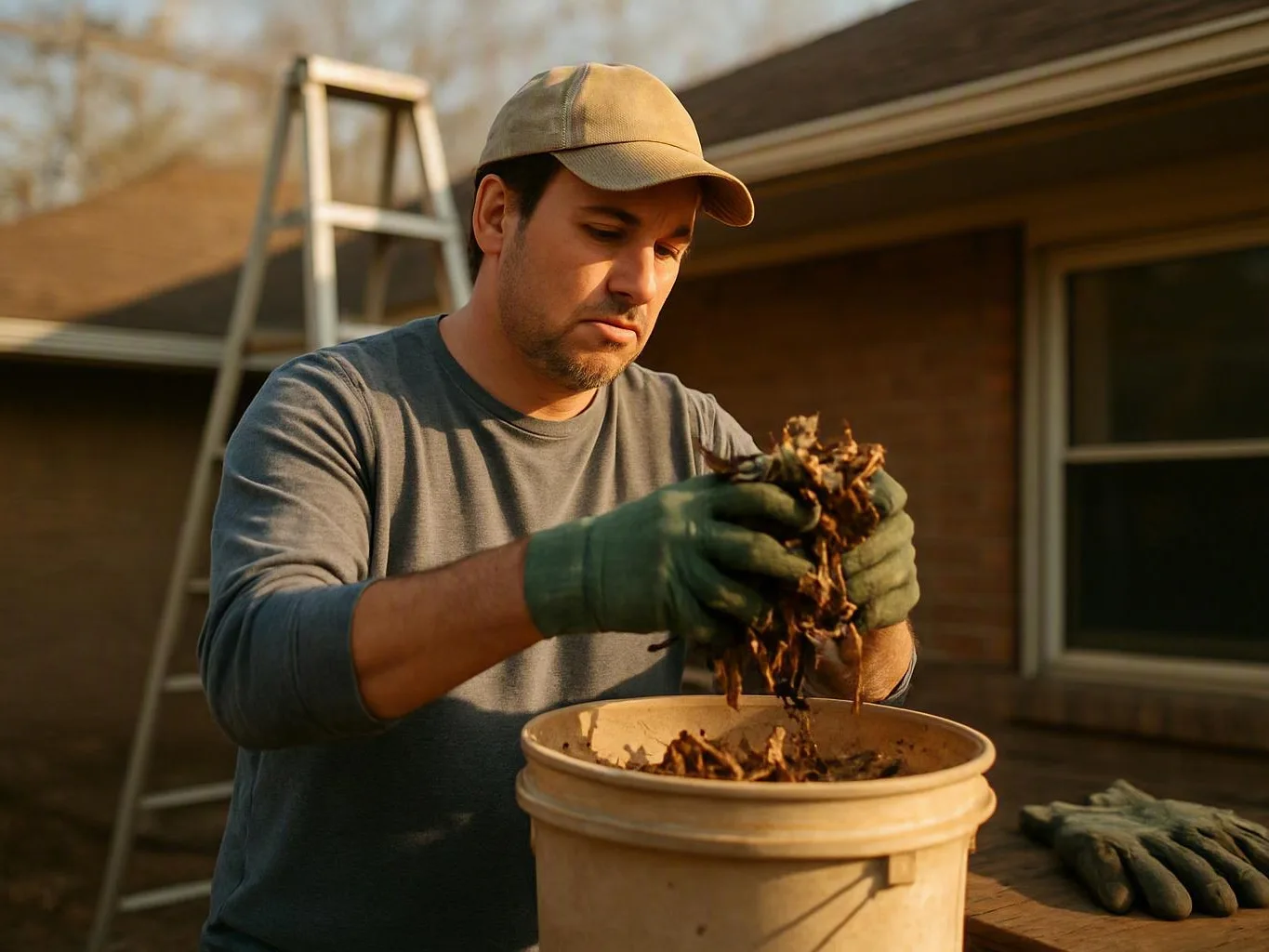
Clogged gutters can cause foundation water problems. Leaves and dirt stop roof runoff from reaching the downspouts. Overflow then falls beside the wall and soaks the soil. It may also wash away mulch or enter cracks and joints. Gutter inspection and cleaning can restore proper water flow.
A blockage can occur anywhere in the gutter system. Debris may cover the channel or collect at a seam. It may also block the downspout inlet. The lower pipe can hold mud even when the top looks clear.
Overflow can leave marks on the fascia and wall. Look for dark streaks, peeling paint, damp wood, or loose fasteners. These marks may show that the gutter holds too much water.
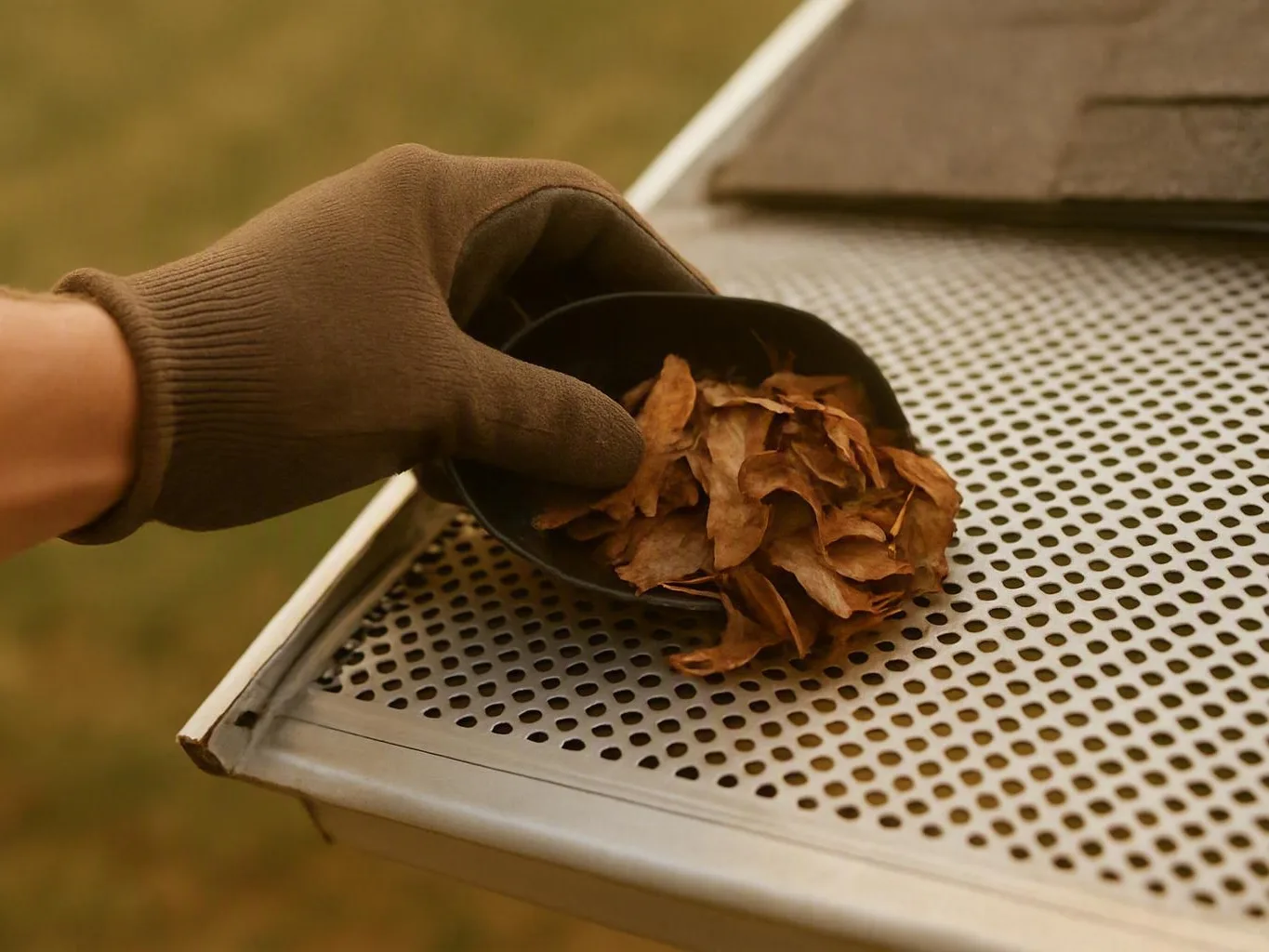
We begin with Gutter Inspection in Memphis when homeowners need the water path checked. Our team checks the channel, joints, hangers, fascia, and downspout connections. We also check foundation drainage before suggesting a repair. Routine Gutter Installation and Gutter Guards may help reduce repeat clogs. Guards still need checks from time to time.
After cleaning, test the system with water when it is safe. Water should move through the gutters without spilling over. Continued overflow may point to poor pitch or damaged sections. It may also point to a small outlet or blocked underground line.
How Can Downspouts Direct Water Away from the House?
Downspouts move gutter runoff to a safe point beyond the foundation. Extensions, splash blocks, and underground downspout drainage can reduce soil moisture and erosion. Each part must fit well, slope properly, and stay clear.
Start at the downspout elbow. The elbow should turn water away from the wall. A visible extension can carry water farther across the ground. A splash block spreads the flow and slows it down. It works best on firm soil with a clear downhill path.
Downspout Extensions work well when a visible outlet fits the landscape. They are easy to inspect, move, and clear. They also make the water outlet easy to see. The outlet should not point toward a walkway or nearby property. It should not drain toward a window well or low spot.
Underground downspout drainage can keep landscape beds clear. It can also reduce trip hazards and mowing problems. The buried line needs a good outlet and enough slope. It also needs access for future care. A blocked pipe can hide the problem instead of fixing it.
Choose the system based on the yard layout and outlet distance. Also consider freezing and future care. Visible systems are often easier to check. Buried systems look cleaner but need careful planning. Professional downspout installation can help with several roof sections. It can also help with long runs or lasting foundation moisture.
Many homes need extensions, elbows, or splash blocks. The number depends on roof size and water flow. Check the outlet during heavy rain. Make sure it stays open and sends water away.
Why Is Mulch Washing Away Under a Downspout?
Mulch washes away when roof runoff leaves the downspout with strong force. The water cuts into soil and spreads the mulch. It may also create an erosion path toward the foundation.
A loose elbow can aim water sideways or straight down. A short outlet may release water before it reaches firm ground. Water also moves faster on a sloped bed. Each storm can carry more mulch away.
A splash block can spread the water. It must sit level on firm soil and face a safe path. A longer extension or buried outlet may work better. Adding mulch alone will not stop the erosion.
Practical Ways to Prevent Foundation Water Pooling
Prevent foundation water pooling by checking the full water path after rain. Clear gutter blocks and move outlets away from the wall. Then check the soil slope and drainage outlet. Small repairs work best when they fix the source.
Use this practical decision path during a safe ground-level check:
Stop before digging or sealing cracks if water keeps returning. The same applies if the basement stays damp. Our crews can help find the next step. That may include gutter repair, a visible extension, underground drainage, or a full foundation drainage review.
Questions About Gutter Installation and Gutter Guards
Why Is Water Pooling near My Foundation After It Rains?
Water pools near a foundation when runoff cannot move away from the house. Common causes include overflowing gutters, short downspouts, poor grading, eroded soil, and blocked underground drainage.
Can Clogged Gutters Cause Foundation Water Problems?
Yes. Clogged gutters cause overflow and send rainwater beside the foundation wall. Cleaning the gutter channel and checking the inlet can restore proper flow.
What Are Signs of Poor Drainage Around a Foundation?
Signs include standing water, soil erosion, settled soil, foundation cracks, and basement dampness. Wet crawl-space walls, mold smells, and washed-out mulch are also signs.
Why Is Mulch Washing Away Under My Downspouts?
Mulch washes away when strong roof runoff leaves the downspout. A stable splash block, longer extension, better outlet, or underground drainage line can redirect the flow.
How Can Downspouts Direct Water Away from the House?
Downspouts direct water away by carrying runoff to a safe point beyond the foundation. Extensions and splash blocks work above ground. Underground drainage can carry water through a buried line.
Ongoing pooling, basement moisture, or repeat erosion needs a closer look. We can help find the next practical step. Our work helps keep roof runoff away from your foundation.
Related Resources
How Much Does Gutter Installation Cost in Memphis?
Memphis gutter installation cost
What It CostsHow Much Do Downspout Installation and Extensions Cost?
downspout installation and extension cost
What It CostsHow Much Does a Gutter-Connected Rainwater Harvesting System Cost?
rainwater harvesting gutter system cost
Compared ToShould You Repair or Replace Your Gutters?
gutter repair vs replacement