How to Tell If a Clogged Downspout Is Causing Gutter Problems
A clogged downspout keeps water from leaving your gutters. Common signs include overflow, water near the downspout opening, damp siding, and foundation pooling. You may also see sagging gutters or water spilling during light rain. Check the outlet, elbows, and underground extensions for leaves, mud, nests, or packed debris. You can clear small clogs with a hose or plumber’s snake. Damaged, small, loose, or often-clogged downspouts may need repair or replacement. A professional gutter inspection can show if you need cleaning, downspout repair, installation changes, or gutter guard cleaning.
Get a Free Estimate
What Does a Clogged Downspout Do to a Gutter System?
A clogged downspout stops rainwater from leaving the gutter system. Water then backs up, overflows, and may collect near the roof or foundation. The extra weight can loosen fasteners and damage seams. It may also hide a damaged or small downspout that needs repair or replacement.
A gutter system collects roof water and guides it away from your home. Water moves through outlets, elbows, pipes, and extensions. If one part is blocked, rainwater has nowhere to go. It may spill over the gutter or soak the fascia and siding.
Extra water weight can pull gutter hangers away from the roof. Over time, gutters may sag or lose their proper slope. Seams can open, and low spots may hold water. A drain problem below can create roofline damage above.
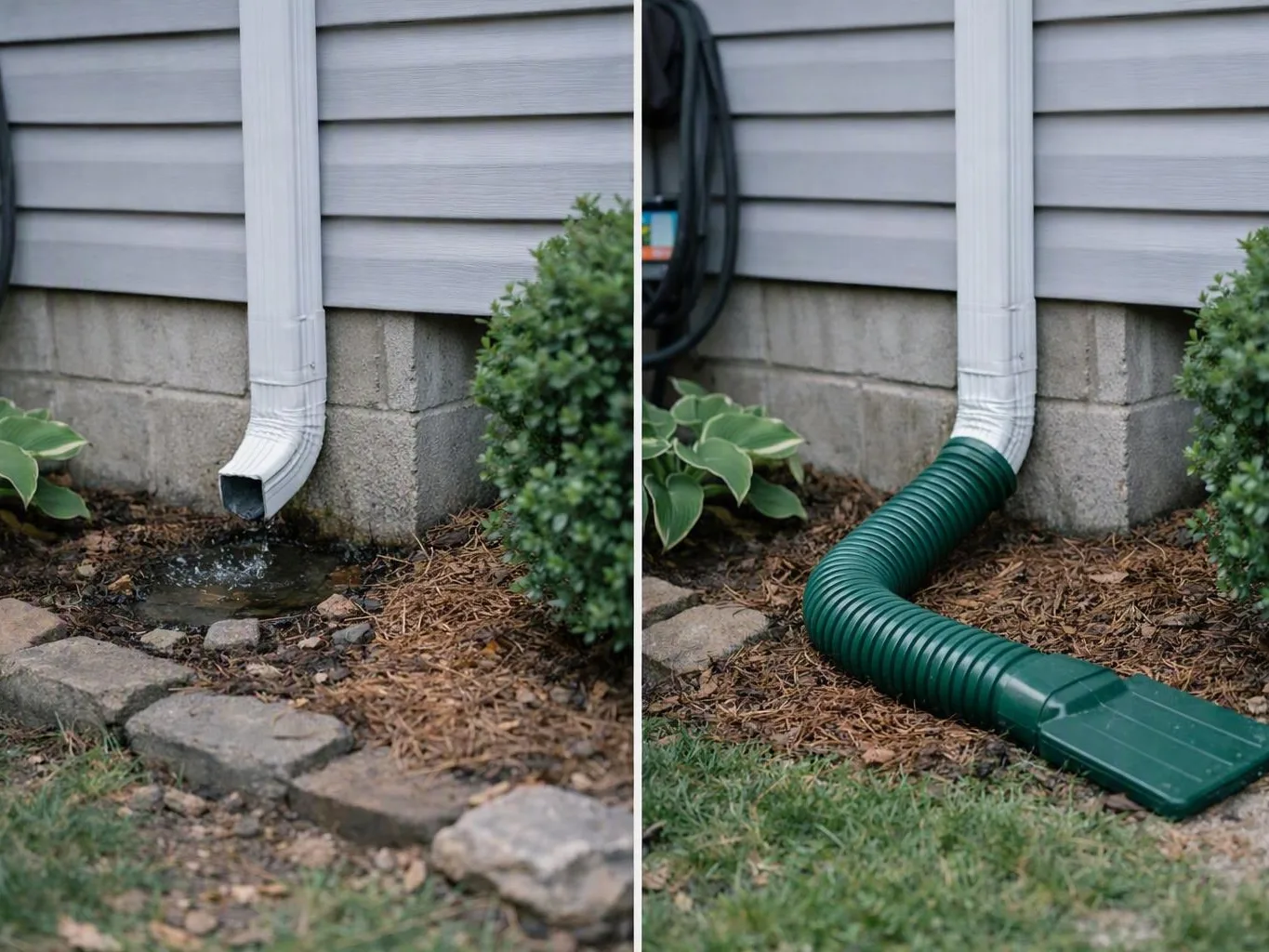
Water should leave the downspout away from your home. A short or poorly placed extension can send water toward the foundation. It can also wash away soil and cause pooling.
What Are the Signs of a Clogged Downspout?
Gutter overflow often points to a blocked downspout. Other signs include slow drainage, damp siding, foundation pooling, sagging gutters, and debris near the outlet. These signs show restricted flow. An inspection can find the exact blockage.
Look for a pattern instead of one drip. Overflow at one outlet may mean a clogged downspout or elbow. Overflow in several areas may point to poor gutter slope or low downspout capacity.
Can a Clogged Downspout Make Gutters Overflow or Back Up?
A downspout blockage can make gutters overflow. Blocked drainage keeps rainwater inside the gutter channel. Water may rise at the inlet, spill over the edge, or leak through seams. A blocked elbow or underground extension can cause the same problem.
The downspout opening is only the first part of the drain path. Water may enter the pipe, then stop at a bend, crushed section, loose joint, or buried extension. Pouring water into the top won't always prove the whole system is clear.
Discharge direction matters, too. An extension that ends near the home can cause foundation problems and soil erosion. Repairs should clear the blockage and move water away from the home.
A common home system has several connected parts. These may include one outlet, two elbows, a vertical pipe, and a ground-level extension. Each home has a different layout.
How Are Downspouts Inspected and Cleared?
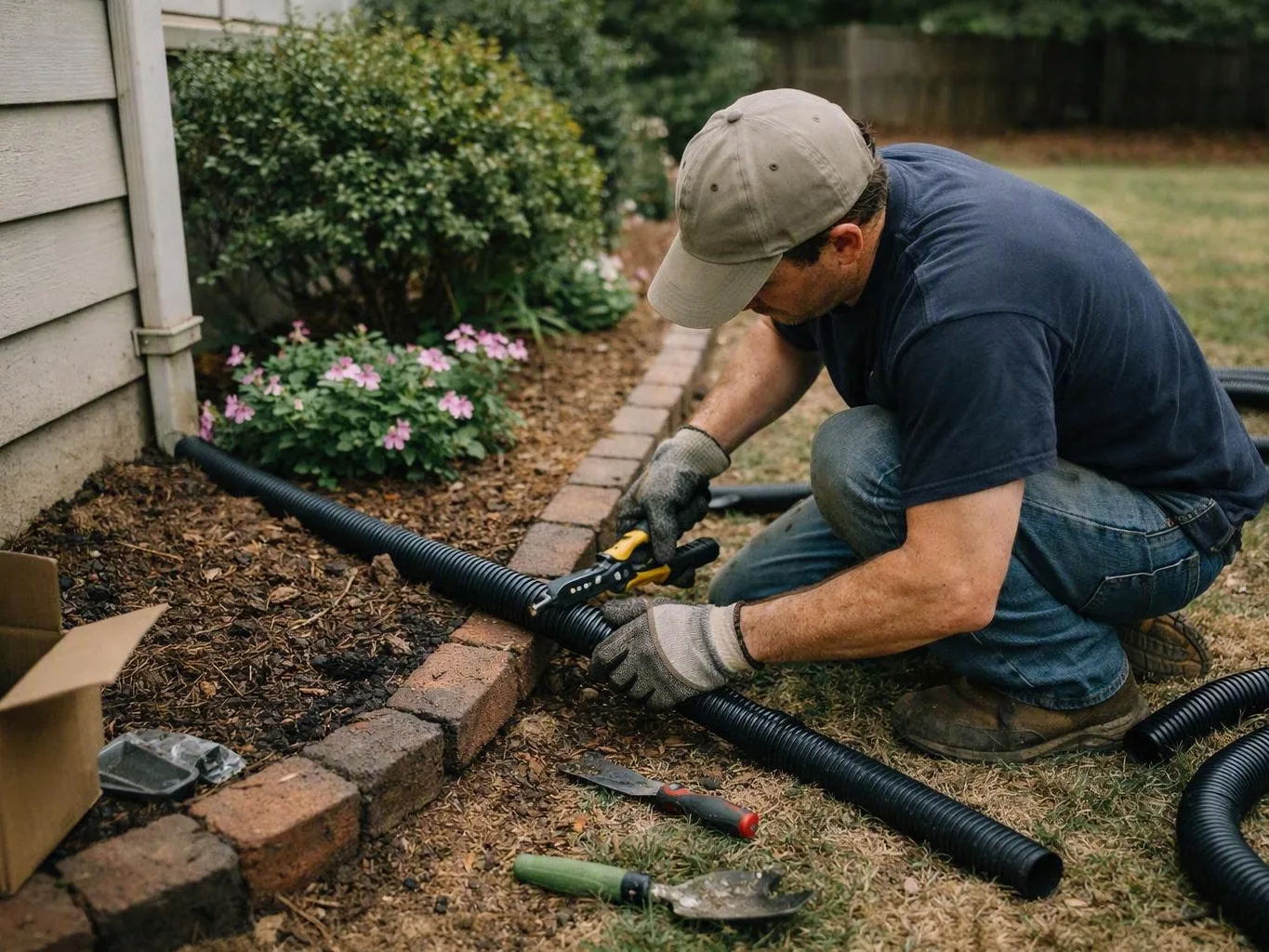
Downspouts are inspected and cleared by checking water flow and removing debris. The outlet, elbows, and extensions also need a careful check. A hose can flush loose debris. A plumber’s snake may clear packed material. Ongoing clogs may need professional cleaning, repair, or replacement.
A Practical Downspout Inspection and Clearing Checklist
Our team treats cleaning as a way to find the cause. If water still drains slowly, the clog may be underground. The system may also have an installation problem. Most simple checks and small clearing jobs take a few hours. Buried drain repairs may take longer.
Why Is Water Backing Up in My Downspout?
Water backs up in a downspout when debris blocks the drain path. Nests, mud, a crushed section, or a blocked extension can cause this issue. Poor gutter slope, a loose elbow, or a small downspout can also slow the flow. The repair depends on the cause.
Gutter guard buildup can also cause clogs. Guards block large debris, but small leaves and roof grit can collect above them. Homes with heavy leaf fall may need more frequent gutter cleaning.
When Does a Downspout Need Repair or Replacement?
Downspout repair can fix a loose joint, leaking seam, small dent, separated elbow, or damaged outlet. Replacement works better when rust, crushing, repeated clogs, poor capacity, or many leaks affect drainage. An inspection should also check gutter slope, fasteners, and the discharge point.
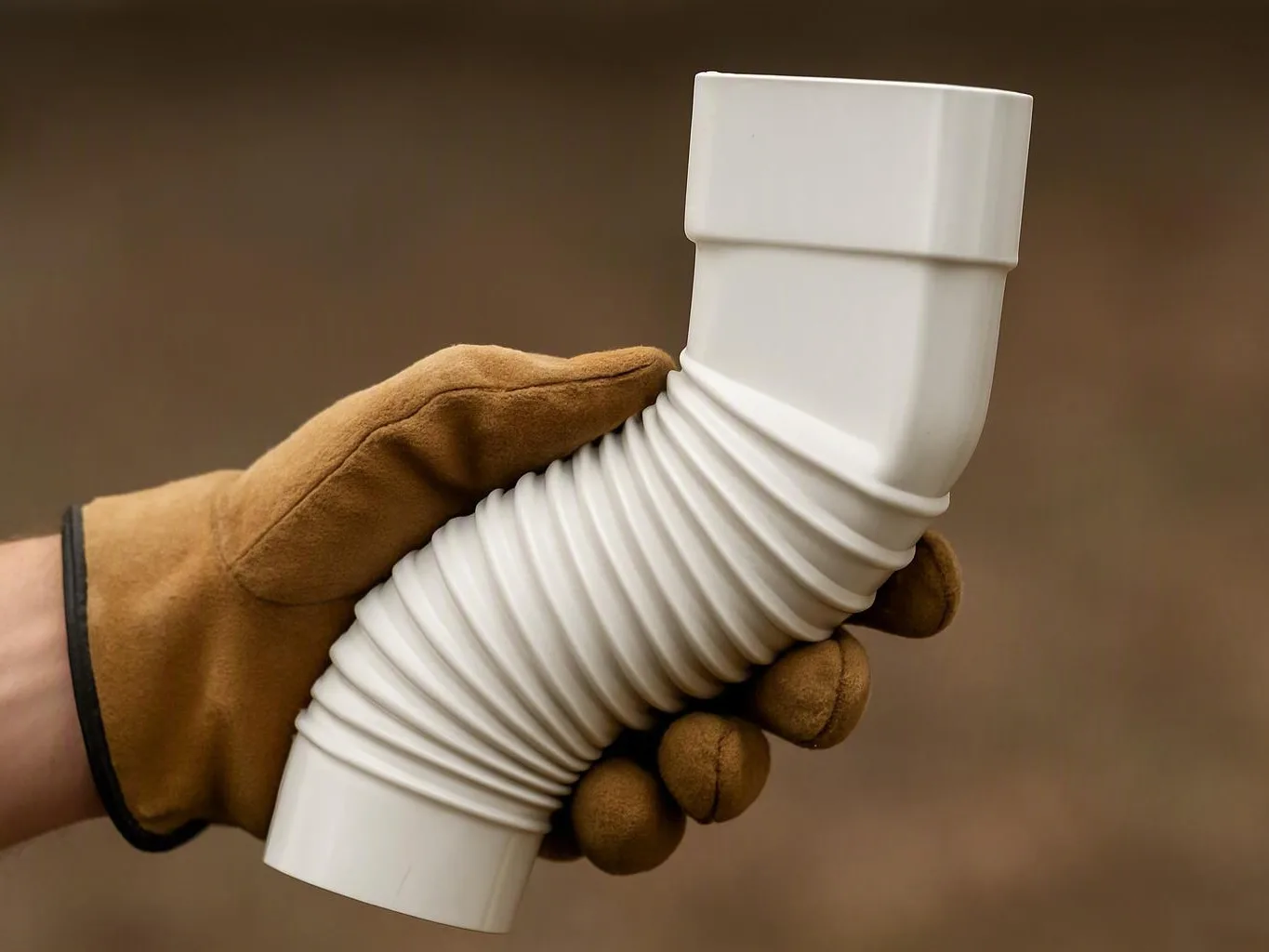
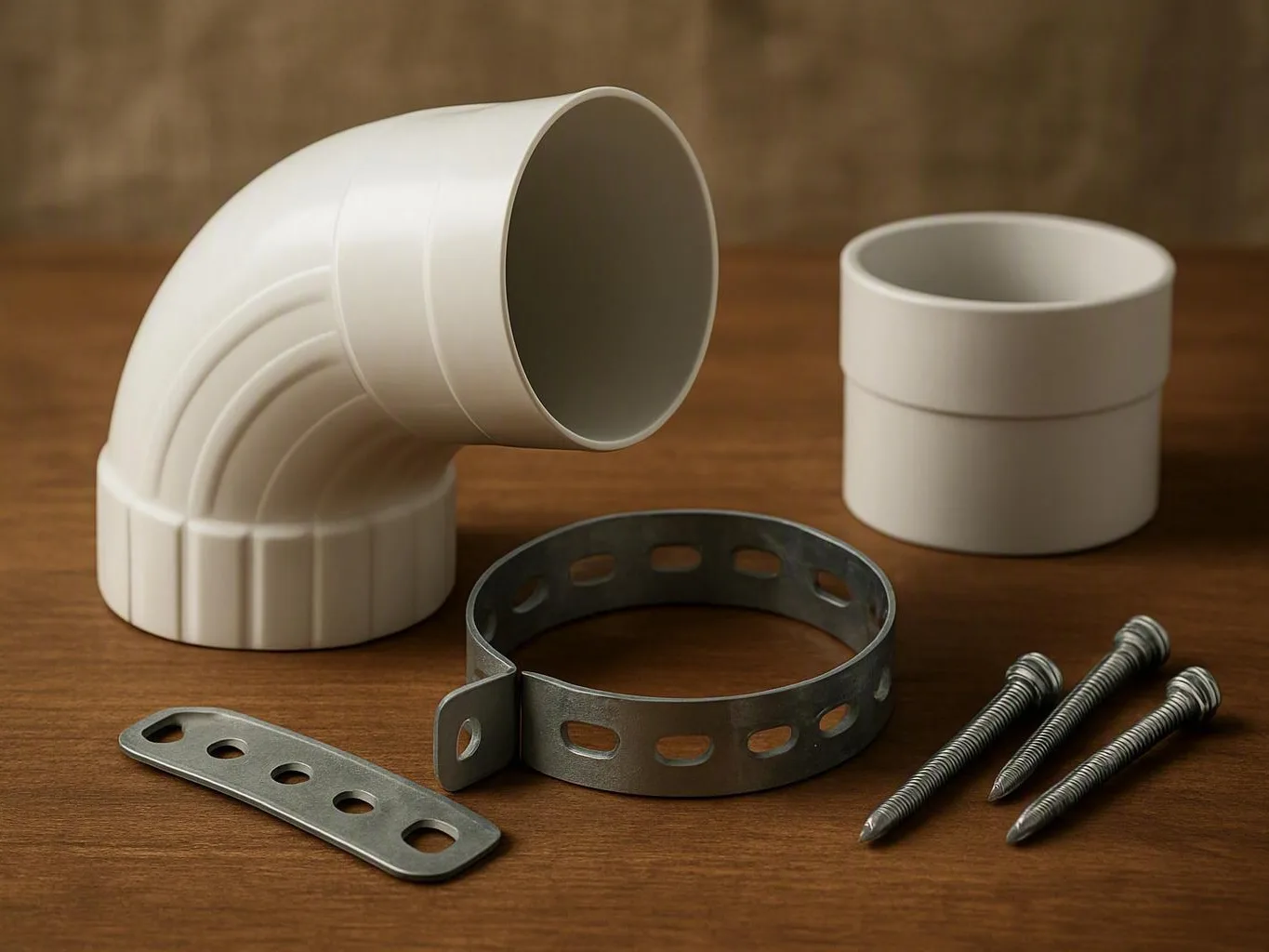
A small repair may secure a joint or replace an elbow. It may also seal a small seam or add a better extension. These fixes work when the pipe remains strong. The pipe must also fit the roof area.
Downspout replacement may help when rust has weakened the metal. It can also help when sections collapse or clogs return after cleaning. Repeated clogs may mean the pipe is too small. Sharp bends or a blocked buried drain may also cause trouble.
When the layout causes the problem, new Downspout Installation may offer a better route. We may suggest one new part, a new discharge direction, or a full drain update. In some cases, we coordinate Downspout Repair in Memphis when that service is needed locally.
Our crews also check the roofline and foundation. A good fix should move water away from the home. It should also reduce soil loss and protect siding, windows, and foundation walls. Gutter Installation and Gutter Guards can help when the current system cannot handle runoff.
How Can You Prevent Downspout Clogs and Gutter Overflow?
Gutter guard cleaning and seasonal care help prevent downspout clogs. Remove debris from the gutter and the pipe below it. Flush downspouts and check elbows, joints, and extensions. Keep the discharge point away from the foundation.
Maintenance needs vary from home to home. Tree cover, roof debris, guard design, and storms all matter. Homes with heavy leaf fall may need checks several times each fall. Cleaner roofs may need fewer visits.
Our team can compare cleaning with repair or replacement. If a clear pipe still overflows, we check gutter slope and roof area. We also check downspout capacity, outlet placement, and the underground extension.
Questions About Gutter Installation and Gutter Guards
How Can I Tell if My Downspout Is Clogged?
Look for overflowing gutters, rising water, slow drainage, damp siding, or foundation pooling. Debris around the outlet also points to a clog. Run a hose near the outlet and watch the bottom. Weak or missing flow may mean the pipe, elbow, or extension is blocked.
Can a Clogged Downspout Make Gutters Overflow?
Yes. A blocked pipe keeps rainwater inside the gutter channel. Water can rise at the inlet and spill over the front edge. The clog may be in the opening, elbow, loose section, or underground extension.
Why Is Water Backing Up in My Downspout?
Leaves, mud, nests, crushed pipe sections, or blocked extensions can cause backups. Poor gutter slope and loose elbows can also slow water. A small downspout may not handle the runoff. The full system should be checked from the inlet to the outlet.
When Does a Downspout Need Repair or Replacement?
Repair often fixes a loose joint, small leak, separated elbow, or minor dent. Replacement may work better when rust, crushing, repeated clogs, or many leaks affect drainage. A gutter inspection can show if the pipe size or route also needs to change.
How Are Downspouts Inspected and Cleared?
Inspectors check the inlet and remove visible debris. They test water flow with a hose and inspect elbows and extensions. They also check that water leaves the home safely. A plumber’s snake may clear packed debris. Ongoing clogs may need repair, replacement, or drainage changes.
All Pro Roofing and Gutters can help our team check overflow, blocked drains, and damaged parts. We can help you choose cleaning, repair, or replacement. Contact us through our contact page to arrange an inspection.
Related Resources
How Much Does Gutter Installation Cost in Memphis?
Memphis gutter installation cost
What It CostsHow Much Do Downspout Installation and Extensions Cost?
downspout installation and extension cost
What It CostsHow Much Does a Gutter-Connected Rainwater Harvesting System Cost?
rainwater harvesting gutter system cost
Compared ToShould You Repair or Replace Your Gutters?
gutter repair vs replacement