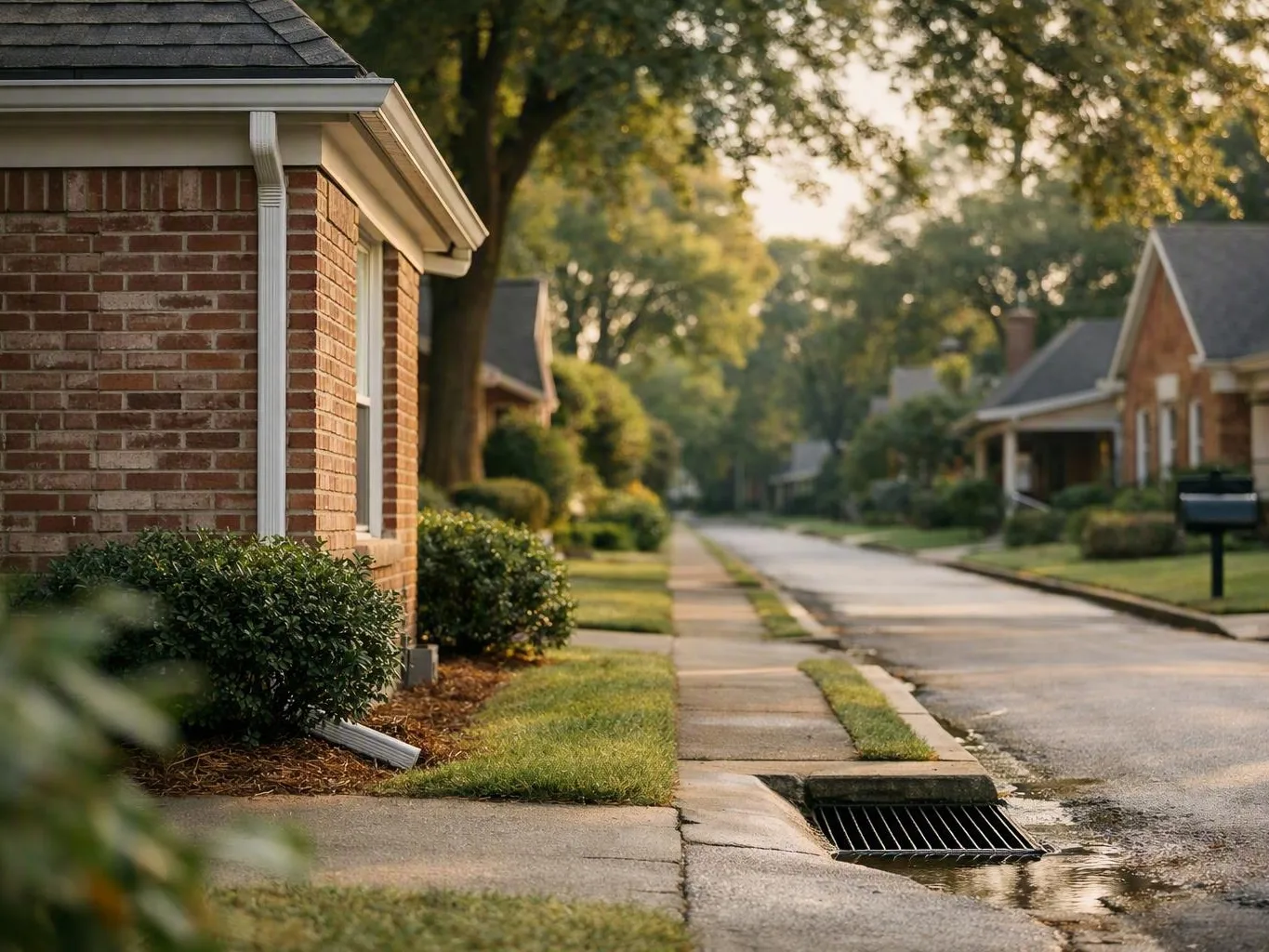
When a Rainwater-Harvesting Gutter System Makes Sense
Rainwater-harvesting gutter and downspout systems collect water from your roof. They send it through a leaf screen, diverter, filter, or first-flush device. The water then flows into a rain barrel or cistern. A retrofit may work if your roof is suitable. Your gutters and downspouts must also be strong and sound. Storage must match expected rainfall. Overflow needs a safe path away from your home. Rain barrels often connect through a downspout diverter. Larger cisterns may connect to several downspouts. These systems can reduce runoff. They don't remove the need for drainage or gutter care. All Pro Roofing and Gutters can check your current system first.
Get a Free EstimateHow Does a Rainwater-Harvesting Gutter System Work?
Rainwater-harvesting gutter and downspout systems collect roof runoff in gutters. Downspouts move the water toward a storage tank. Screens or filters remove leaves and other debris. A rain barrel or cistern stores the water. A diverter or first-flush device can redirect the first roof water. An overflow line sends extra water away from the foundation.
The roof catchment area starts the process. Rain falls on the roof and flows toward the edges. It then enters the rain gutters. Proper gutter slope helps water reach each outlet. It also keeps water from sitting in the channel. Strong hangers matter too. Full gutters can pull away from the fascia.
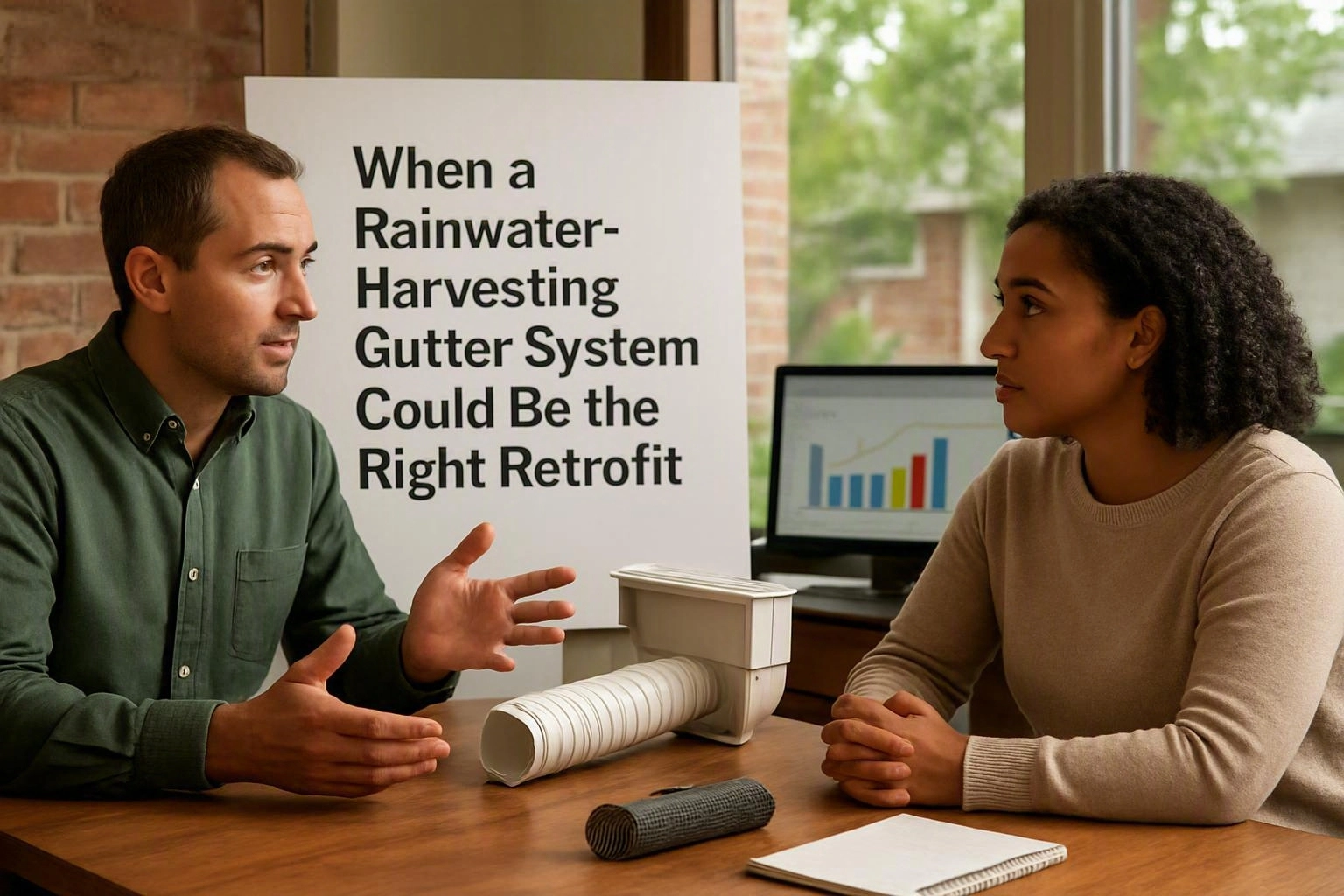
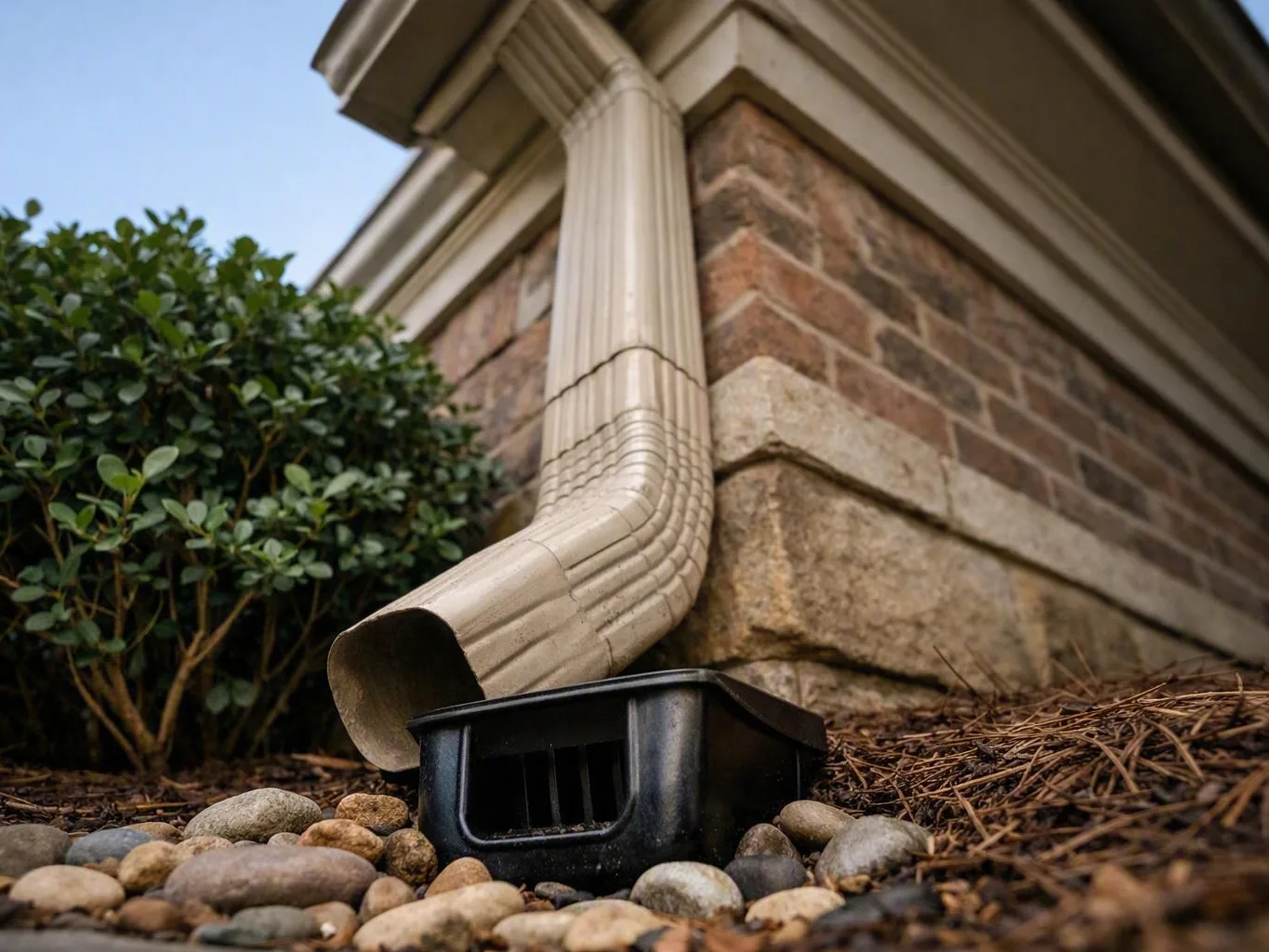
Downspouts carry the water to a collection point. A leaf guard or screen can block leaves and large debris. It won't replace regular cleaning. A first-flush diverter sends the first roof water away from the tank. This water may contain dust, pollen, and bird waste. It can also contain other dirt that gathers between storms.
A small system may use one rain barrel. The barrel connects to a downspout. It stores water for outdoor uses that don't need drinking water. These uses may include watering plants and gardens. A larger rainwater cistern can collect water from several downspouts. It may include a settling area, screen filter, pump, tank vent, and overflow outlet.
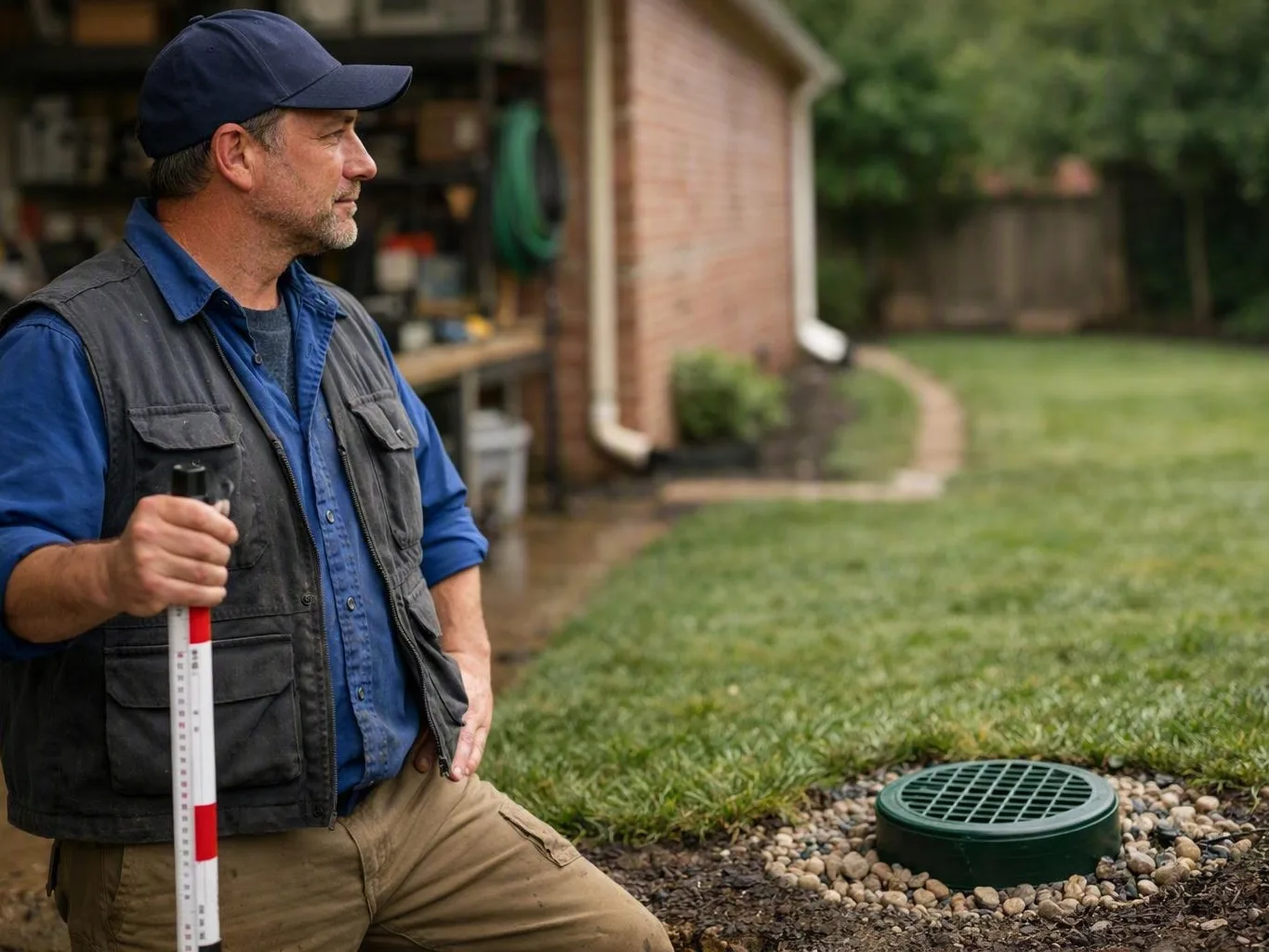
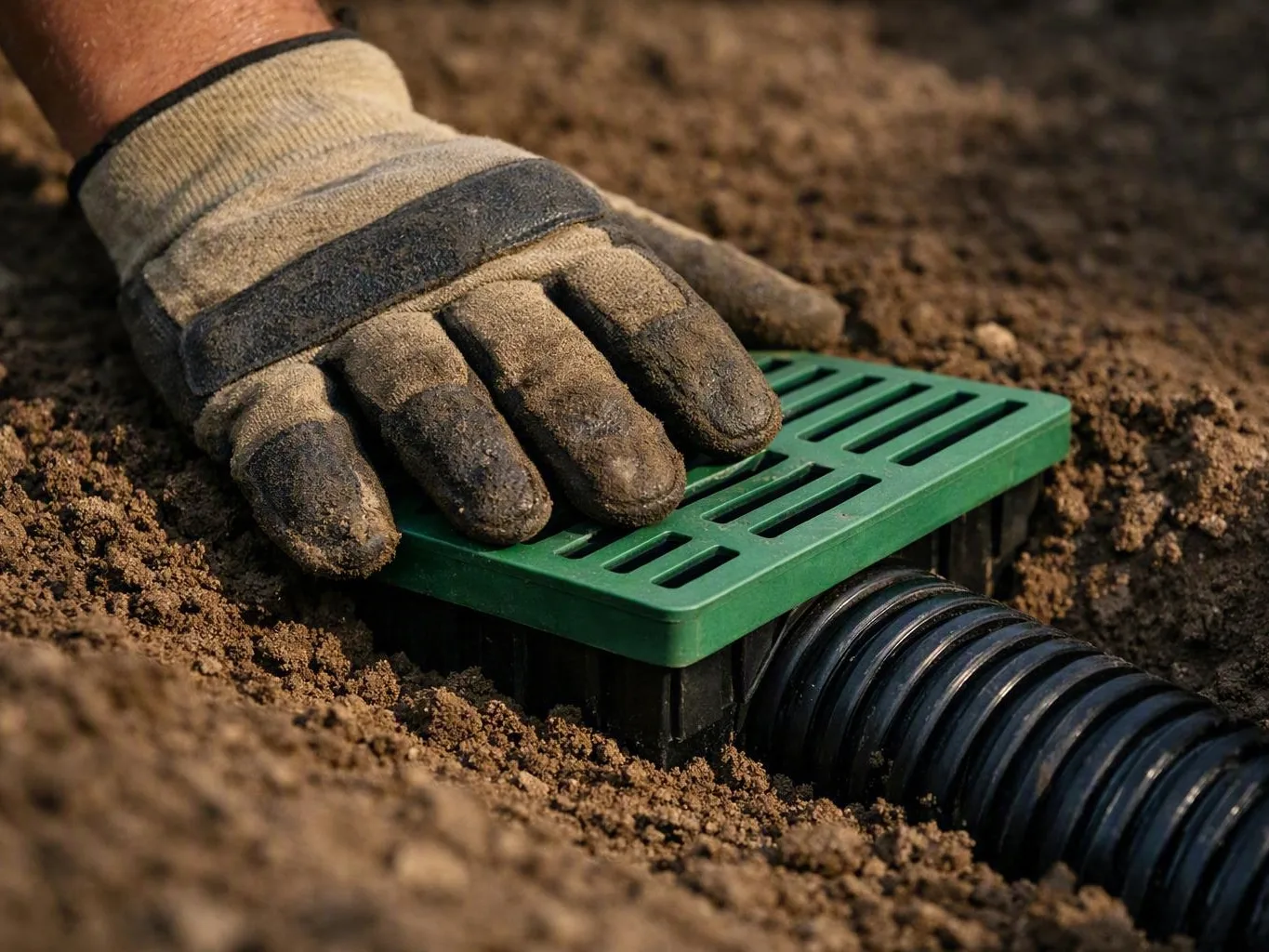
Storage is only one part of the plan. The container will fill during a storm. Its overflow pipe must send extra water to a safe area. This may be a drainage route or an area that absorbs water. The outlet shouldn't wash soil toward the foundation. It also shouldn't create standing water near walls or walkways.
Most small retrofits use one rain barrel and one downspout. They also use a screen and an overflow pipe. Larger projects may use several downspouts. They may also use a rainwater cistern with several filters. The best setup depends on roof size and rainfall. Storage needs and available space matter too.
Signs Your Existing Gutter System May Be Ready for a Collection Retrofit
A gutter retrofit works best with a reliable gutter slope. Gutters also need secure hangers and fitting downspouts. The roof must provide enough water for the storage tank. The tank shouldn't fill too fast. Your property needs a firm place for the tank. It also needs a safe overflow route. Leaks, clogs, and drainage problems should be fixed first.
We first check how water moves from the roof. Roof size and rainfall affect how fast the tank fills. Downspout placement also matters. It helps show whether one barrel or several will work.
Gutter installation may come first. We may suggest fixing the drainage path before adding a collection device. We can then add Gutter Installation and Gutter Guards. This helps when the roofline needs stronger support and better leaf protection.
Common Conditions That Make a Retrofit Difficult
Some roofs need repairs before they can support a water collection system. Poor drainage layouts can cause problems too. These issues can reduce collection and fill tanks too soon. They may also cause damage near the building.
- Undersized gutters: Heavy rain may spill over the front edge. Water may not reach the collection point.
- Sagging gutters: Low spots hold water and debris. They also put stress on the hangers.
- Clogged downspouts: Blockages can push water behind the gutter. Water may also reach roof and wall areas.
- Dirty roof runoff may not suit some outdoor uses without extra treatment.
What Should You Consider Before Installing a Rainwater Collection System?
Before installing a rainwater collection system, check the roof area and roofing material. Review rainfall patterns and planned water use. Check storage size, tank support, filters, overflow routes, and service access. Keep collected water separate from drinking water pipes. A qualified professional must install approved treatment and backflow protection for any connection.
The roof catchment area affects how much water you can collect. Rainfall patterns matter just as much. Short, heavy storms can fill a small barrel fast. Long dry periods may leave it empty. Choose a cistern size that fits rainfall and water needs. Available space and tank use also matter.
Plan the water use before choosing equipment. Outdoor irrigation is a common goal. Water for drinking, cooking, bathing, or indoor fixtures needs more treatment. It also needs strict separation from home plumbing. Backflow protection helps protect the public water supply.
The tank base must hold the full weight of stored water. The inlet should have a screen filter. The first-flush diverter should be easy to clean. Plan the overflow route before installation. A full tank still needs a safe path for extra water.
Local plumbing rules may cover tank placement and mosquito screens. They may also cover labels, pumps, and backflow protection. Stormwater-credit rules may include inspections and approved overflow methods. Stormwater-Credit Rainwater Harvesting Gutter Systems in Memphis may have special rules. Check the program before assuming approval.
Our team can compare a small downspout diverter with a larger stormwater management system. The right choice should fit your roof and drainage. It should also fit your storage space and water needs.
How Do You Connect a Rain Barrel or Cistern to a Downspout?
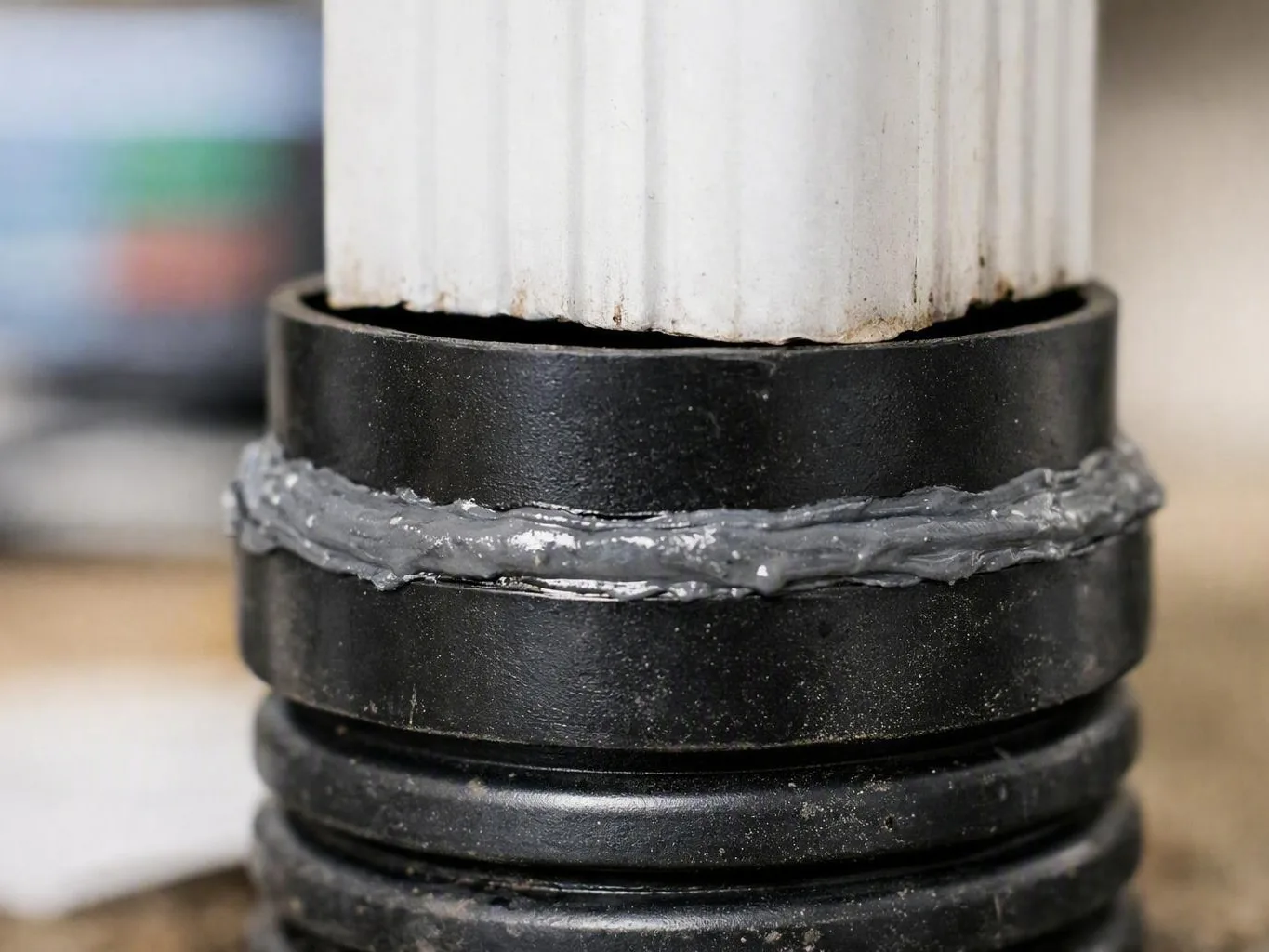
A rain barrel connection uses a matching diverter or cut-and-reconnect fitting. The fitting sends water into the barrel. It also keeps an overflow route open. A cistern can connect to one or more downspouts. It may use screened inlets, first-flush treatment, and an overflow line. Each connection must stay sealed, stable, and easy to service.
The best method depends on the downspout and barrel. Tank height and distance from the home also matter. Never block a downspout without a safe overflow route. A full tank must not force water toward the roof or foundation.
A gutter-connected cistern needs more planning than one barrel. Several inlets must share the water flow. The system also needs room for cleaning and repairs. Our crews can check if the downspout extension should stay in place. It can help during very heavy storms.
Can Rainwater Harvesting Reduce Downspout Runoff?
Rainwater harvesting can reduce stormwater runoff by storing roof water for a time. The amount depends on tank size and rainfall strength. It also depends on how often you use the stored water. Containers can fill during storms. The system still needs safe overflow or drainage.
Storage can slow the first rush of water from the roof. This helps on concrete, asphalt, and packed soil. Using stored water for plants makes room for later storms. Regular drawdown matters. A full barrel offers little extra runoff control.
Collection doesn't remove the need for drainage. Heavy rain can exceed tank capacity. Overflow can still affect soil, foundations, and walkways. Rainwater collection is one part of a larger drainage plan. It doesn't replace sound gutters or proper grading.
Some programs offer stormwater credits for approved storage. Rules may require design plans, inspections, and maintenance. They may also require safe overflow routes and recorded tank size. A credit isn't guaranteed. Check with the responsible program before claiming savings.
Practical Ways to Prevent Collection and Drainage Problems
Simple care protects the stored water and your home. Gutters, filters, tanks, and overflow pipes work as one system. Each part needs regular attention.
- Schedule gutter cleaning: Remove leaves and dirt before wet seasons. Clean again after heavy leaf fall.
- Maintain leaf protection: Check guards and screens for gaps or buildup. Make sure water still flows freely.
- Service the tank: Check the tank, inlet, fittings, pump, and first-flush device on a regular schedule.
- Use mosquito screening: Cover openings and repair torn mesh. This helps stop mosquito breeding.
- Inspect overflow routing: Make sure overflow reaches a safe area. Check for erosion or water near the foundation.
Our team can include these checks with gutter maintenance. We may find leaks, loose hangers, or poor slope. Repairs should come before adding more storage.
Questions About Gutter Installation and Gutter Guards
How Does a Rainwater-Harvesting Gutter System Work?
It collects roof runoff in gutters and moves water through downspouts. Screens remove debris, and a rain barrel or cistern stores the water. A first-flush diverter can redirect the first roof water. An overflow pipe sends extra water away from the foundation.
How Do I Connect a Rain Barrel to a Downspout?
Use a matching downspout diverter or cut-and-reconnect fitting. It should send water into the barrel and keep overflow safe. Place the barrel on a firm, level base. Add a screen, test the fittings, and direct overflow away from the foundation.
Can Gutters Be Connected to a Cistern?
Yes. A cistern can collect water from one or more downspouts. It may use screened inlets, a first-flush device, and an overflow line. The tank needs a stable base and service access. It also needs mosquito screening and separation from drinking water pipes.
What Should Be Considered Before Installing a Rainwater Collection System?
Consider roof area, roofing material, rainfall, water demand, and tank size. Also check tank support, filters, service access, and overflow control. Review backflow protection, nonpotable use, and local plumbing rules. Verify stormwater-credit rules before assuming approval.
Can Rainwater Harvesting Reduce Downspout Runoff?
Yes, temporary storage can reduce roof runoff. It holds water for approved outdoor uses. The amount depends on tank size, rainfall, and how often you empty it. A full tank still needs safe overflow or drainage.
A retrofit may fit your roof, drainage layout, and storage goals. Our team can help you choose the next step. For questions about a rainwater collection gutter system or a gutter-connected cistern and rain barrel system, contact our team.
Related Resources
How Much Does Gutter Installation Cost in Memphis?
Memphis gutter installation cost
What It CostsHow Much Do Downspout Installation and Extensions Cost?
downspout installation and extension cost
What It CostsHow Much Does a Gutter-Connected Rainwater Harvesting System Cost?
rainwater harvesting gutter system cost
How It WorksHow a Rain Garden Downspout Retrofit Works
rain garden downspout retrofit installation