Signs Your Gutters Need an Inspection After a Storm
Storms can bend, loosen, clog, or detach gutters and downspouts. Check gutters after severe weather for sagging, loose fasteners, and pulled sections. Look for dents, leaks, overflow, and damaged downspouts. Stay on the ground when possible. Take photos of visible damage. Arrange a professional gutter inspection when the system feels unsafe. Get help when gutters sit out of line or drain poorly. Small clogs and loose hardware may need simple repairs. Widespread damage may call for gutter replacement.
Get a Free EstimateWhat Storm Damage Signs Mean Your Gutters Need an Inspection?
Storm-damaged gutters need an inspection when they sag, pull away, crack, leak, or overflow. Disconnected downspouts also need a close check. These signs may point to damaged hangers, changed gutter pitch, or blocked outlets. They may also show hidden roof drainage problems.
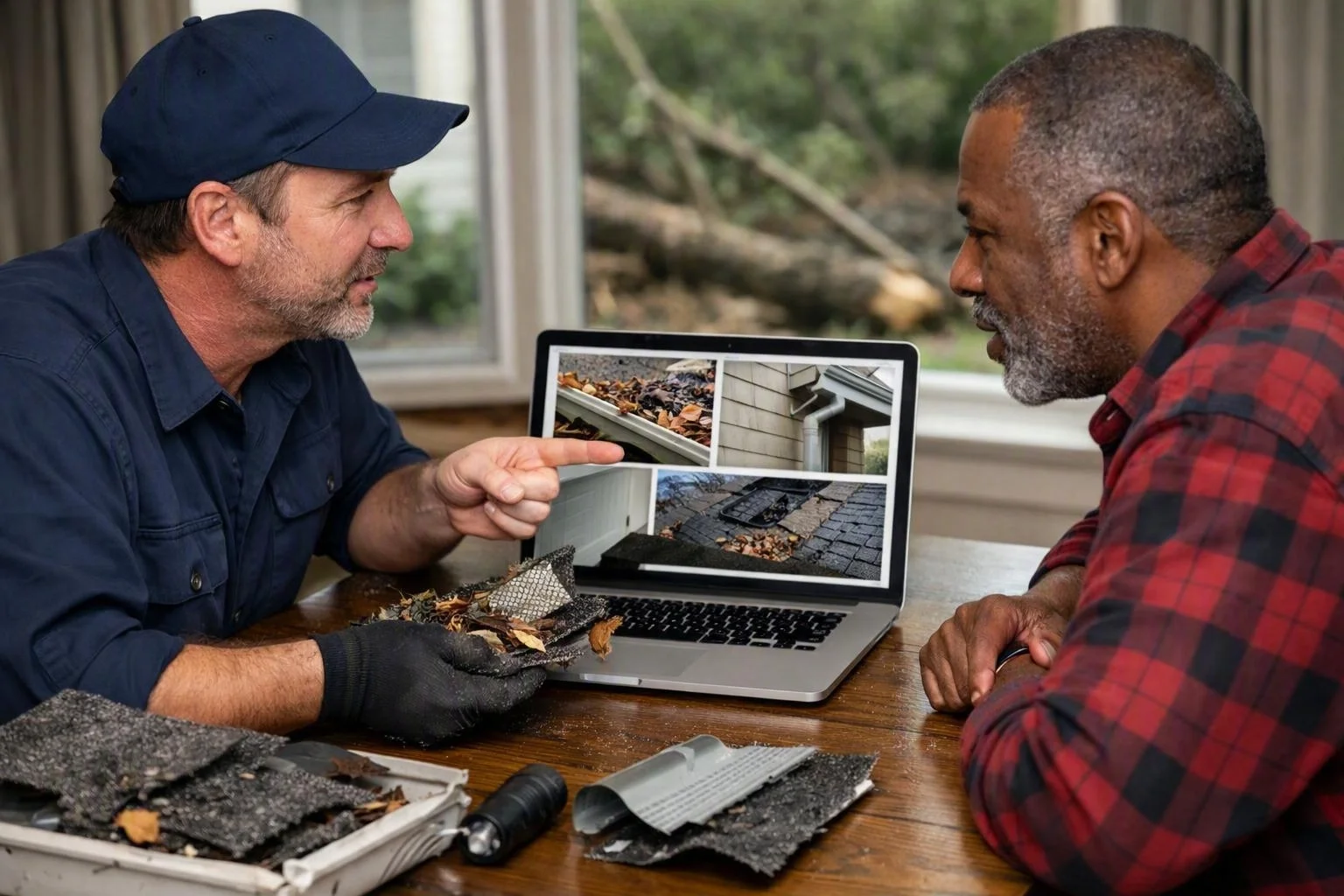
All Pro Roofing and Gutters helps homeowners understand gutter damage. We can help tell if damage affects one spot or the whole system.
A post-storm gutter check should start from the ground. Wind may have weakened the roof edge or fascia board.
Most home gutter systems have many connected parts. These parts include channels, end caps, outlets, elbows, and downspouts.
One failed part can affect the full drainage path. A careful check looks at how every part works together.
How Wind and Hail Can Damage Gutters?
Wind can pull gutters away from a house. It can stress hangers, screws, fascia boards, and end caps.
Hail can dent aluminum gutters, damage gutter guards, and open seams. Misaligned gutters can send water toward siding, windows, foundations, or landscaping.
Wind uplift causes more harm when gusts catch a loose edge. Long gutter runs can suffer more damage without enough support.
Falling branches can bend the gutter body or tear out a fastener. They can also damage the roof edge behind the gutter.
Strong gusts may loosen a downspout strap. They may also twist an elbow out of place.
Hail damage is not always easy to see. Hail can crack plastic parts, dent metal, or break a gutter guard.
It can also weaken a seam. That seam may open during the next rain.
Materials react in different ways. Aluminum may dent, while vinyl may crack or split.
Steel may rust after hail damages its outer coating. We check seams, fasteners, and fascia support before suggesting work.
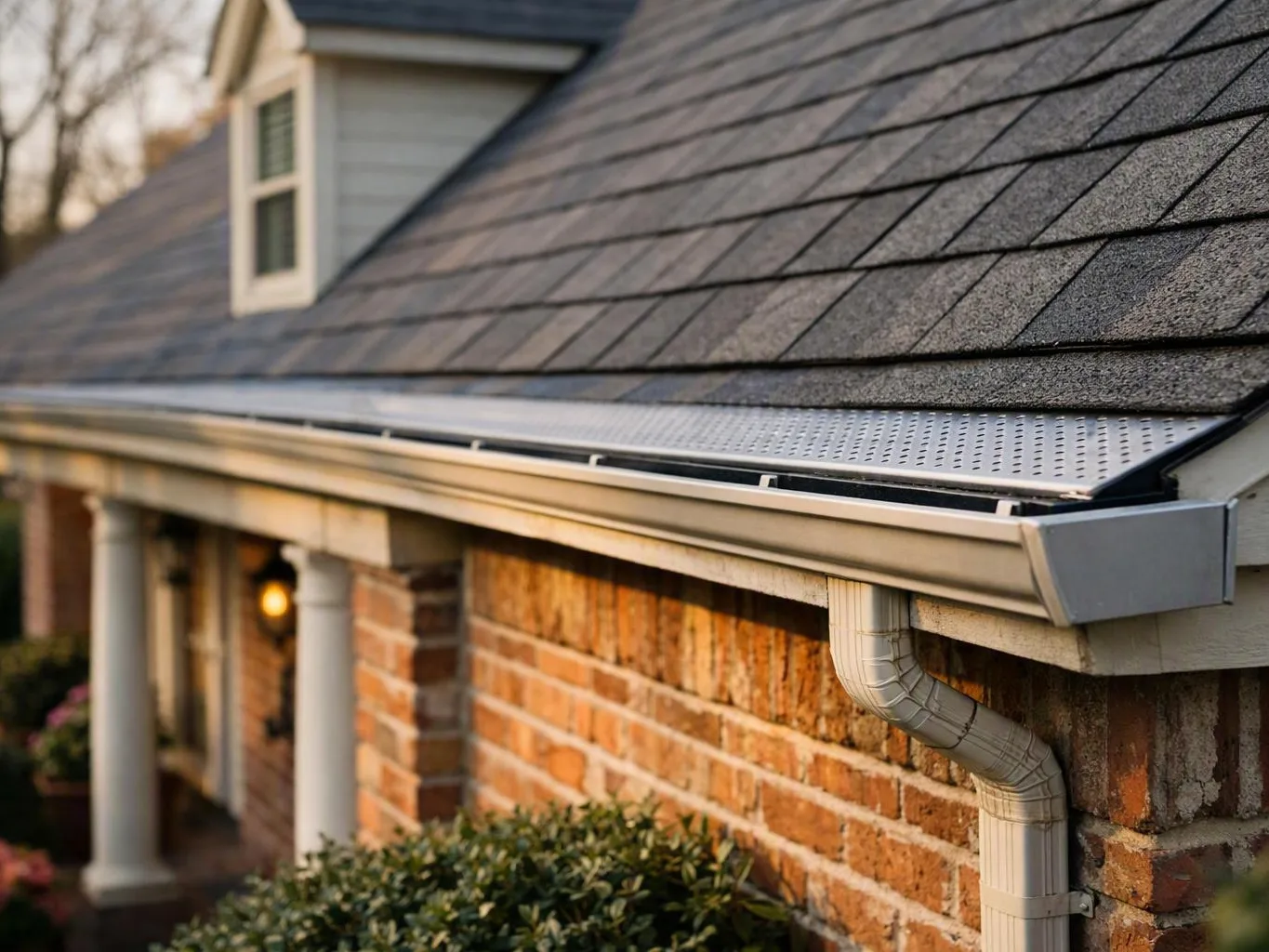
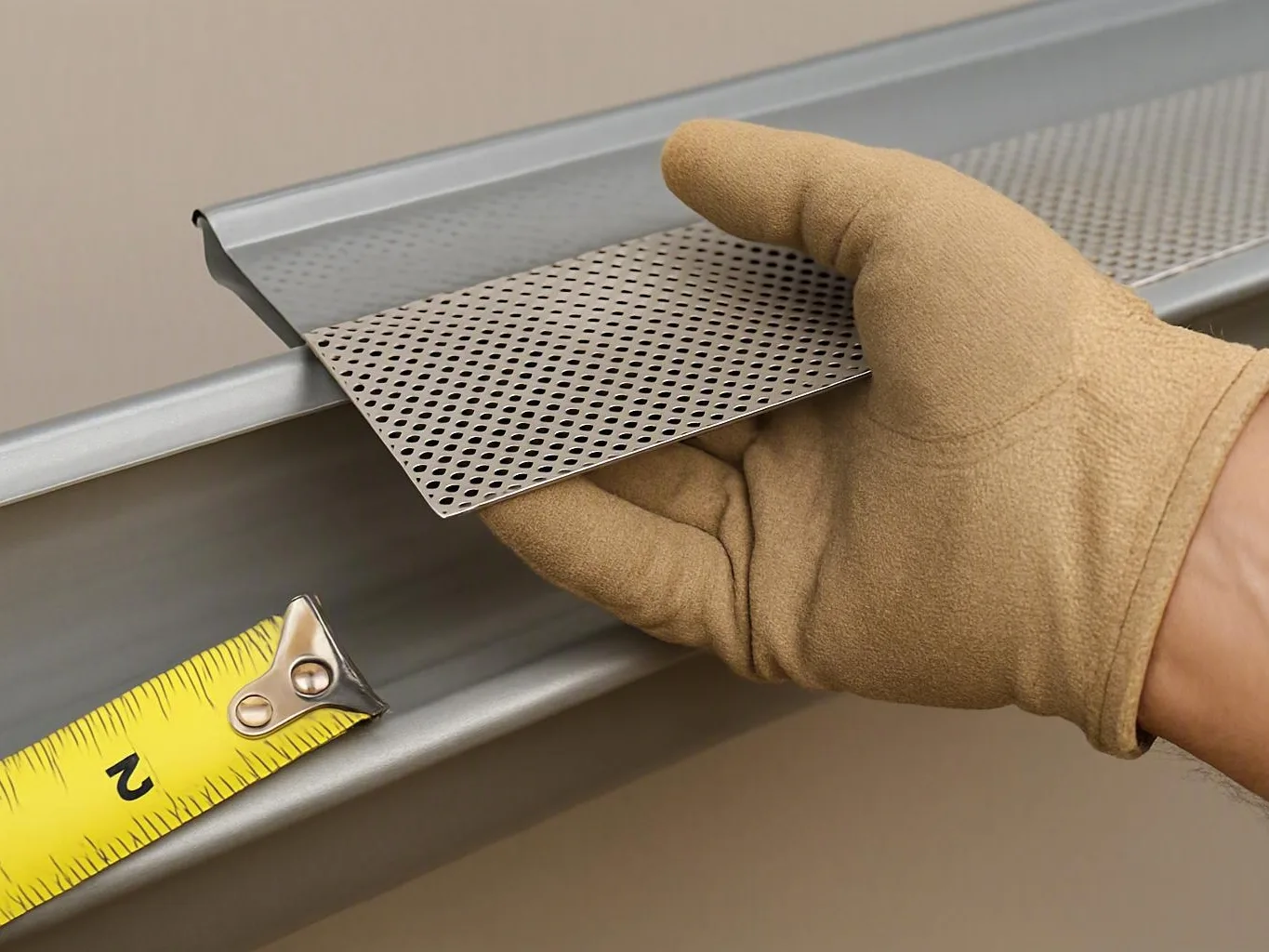
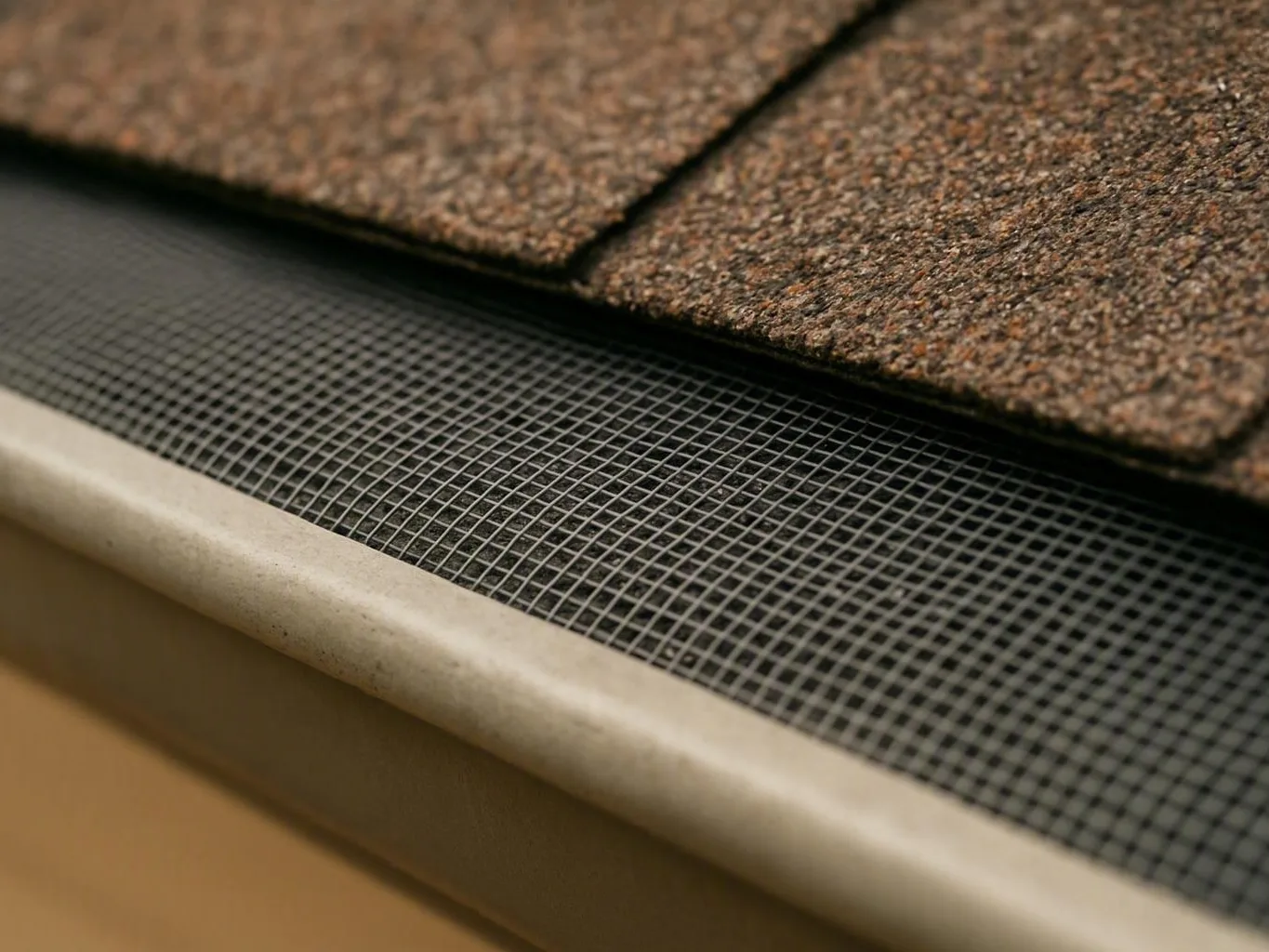
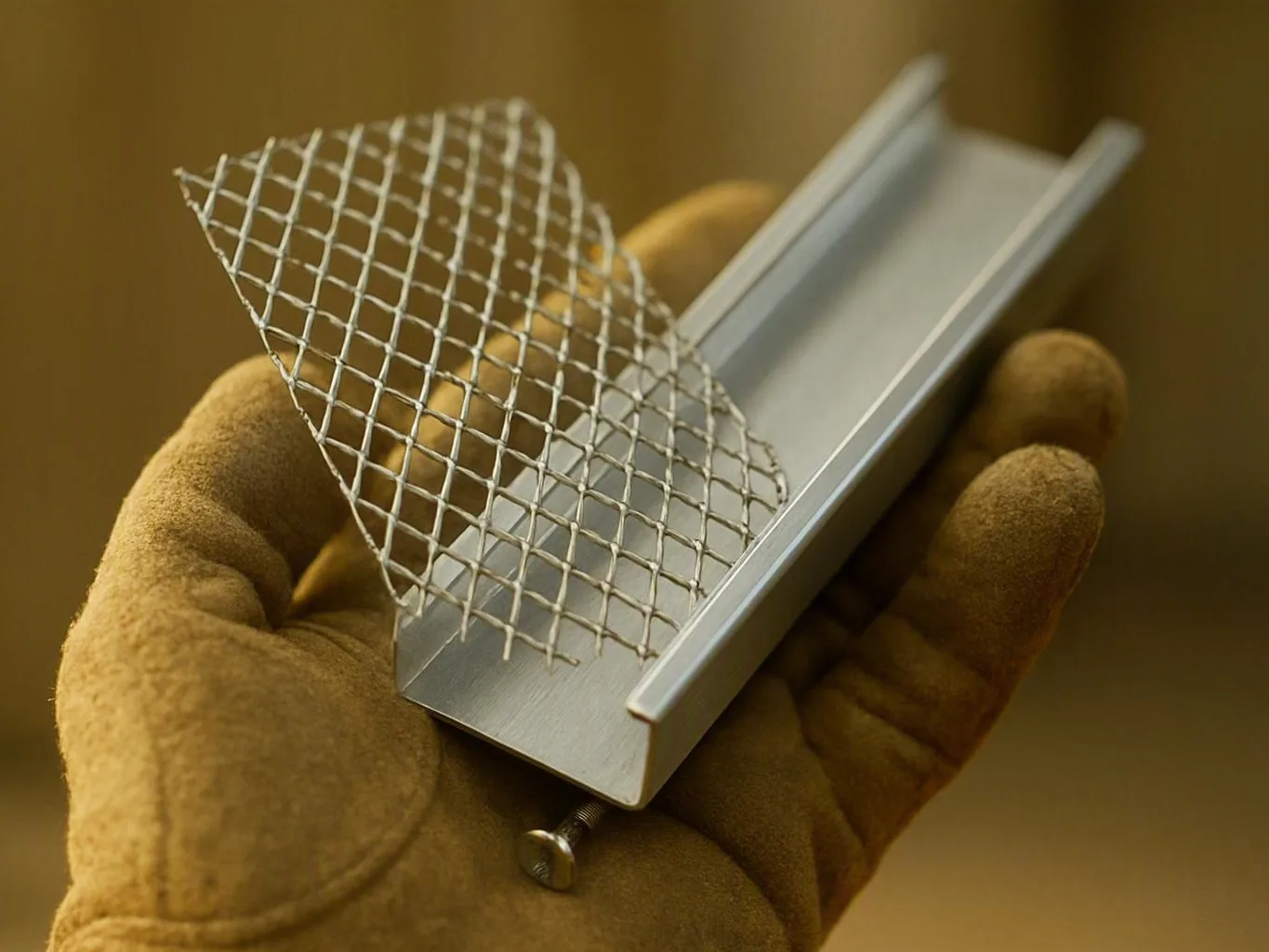
Gutter guards can reduce leaves and other debris. They can’t fix a bent channel or poor slope.
Gutter Installation and Gutter Guards are related services. Guards should go on only after the system is secure and drains well.
What Should You Inspect After a Severe Storm?
After a severe storm, inspect the roof edge, gutter length, seams, and hangers. Check end caps, downspout links, and the ground below.
Look for overflow, stains, soil loss, and impact marks. Start from the ground and take photos before calling for service.
A safe storm check is a visual review. It isn’t a reason to climb onto a wet roof.
Use binoculars or a phone camera from a steady place. Stop if you see loose roofing, wires, leaning trees, or unstable gutters.
If you can’t watch water safely, our team can test drainage later. A professional check may find hidden hanger, fascia, or outlet damage.
Homeowners seeking Gutter Inspection in Memphis can follow these same safety steps. Photos can also help explain the problem.
When Should Damaged Gutters Be Repaired or Replaced?
Gutter repair usually fits small problems. These include loose fasteners, small seam leaks, minor clogs, and one damaged downspout link.
Gutter replacement may work better for crushed, rusty, or often leaking sections. Replacement may also help when gutters can’t keep the right slope.
The choice depends on more than looks. We check pitch, drainage space, material condition, and fastener support.
A small dent may not stop water. A hidden slope change may cause repeated overflow.
Repair may work when one hanger pulled out. The fascia must still be strong.
Repair may also fit one seam, end cap, or downspout connection. Downspout repair can restore drainage when the main channel remains straight.
Replacement may make more sense when many sections are bent. It may also help when rust has weakened the metal.
Repeated leaks can also point to replacement. New fasteners won’t work if the fascia board can’t hold them.
The support surface may need a check before new gutters go on. A full system may help when the roof needs more outlets.
Our team can compare repair costs with a new system. We’ll explain how each choice affects runoff and foundation drainage.
After structural repairs, gutter guard installation may help reduce leaves. Guards don’t replace proper pitch, strong hangers, or sized downspouts.
DIY or Professional Gutter Inspection: Which Is Safer?
A DIY check can find visible debris, dents, gaps, and ground-level leaks. A professional gutter inspection can check pitch, fasteners, fascia, and hidden damage.
Choose professional help when gutters are high, loose, or hard to reach. Get help when roof or structural damage may be involved.
Ground-level checks can lower fall risks after a storm. They can also help preserve photos and other evidence.
Ladders become risky on soft ground or near power lines. Wet roof edges and loose gutters create more danger.
Never use the gutter as a handhold.
| Factor | DIY | Professional |
|---|---|---|
| Access | Best for ground-level views and safe photos | Can use suitable equipment for high sections |
| Visible defects | May find debris, dents, leaks, and separation | Can confirm whether defects affect the system |
| Structural damage | Should not probe or load damaged areas | Can assess fascia, hangers, and attachment points |
| Drainage testing | Observe safe water flow during light rain | Can check pitch, outlets, capacity, and flow across the system |
| Safety | Stop at electrical, roof, or ladder hazards | Uses a planned inspection process for difficult areas |
A professional check makes sense for second-story gutters. It also helps after a branch hits the roof edge.
Call for help if water entered behind the fascia. We can tell cleaning apart from wind-damaged gutter inspection or hail-damaged gutter inspection.
We can also check for wider exterior drainage problems.
What to Do After Finding Storm Damage in Your Gutters?
After finding storm damage, take photos and clear safe ground-level debris. Protect areas affected by runoff, then schedule an inspection.
A gutter professional can suggest downspout repair, gutter replacement, or gutter guard installation. The system must be secure, sloped, and draining well first.
Keep people away from hanging sections, sharp metal, and fallen branches. Keep them away from pooled water near electrical equipment.
Don’t tape, tie, or climb onto an unstable gutter. Move items away from runoff areas when safe.
You can also use a safe ground-level water diversion method. Use it only until repairs are made.
Save photos that show the date, storm damage, roof edge, fascia, seams, and ground impact.
Arrange a roof or structural check if needed. The support surface must be safe before a gutter fix.
Our team can explain the next step. It may be cleaning, downspout repair, or a complete drainage solution.
The goal is steady roof runoff control. Making a bent section look straight isn’t enough.
For service planning, contact our team and share photos of the problem. We’ll help find safe next steps.
Questions About Gutter Installation and Gutter Guards
How Do I Know if a Storm Damaged My Gutters?
Look for sagging gutters, pulled fasteners, gaps, hail dents, cracked seams, and new leaks. Check for water overflow and disconnected downspouts. Fresh soil washout can show changed runoff. Stay on the ground and arrange a professional check for high, loose, or unsafe gutters.
Can Wind Pull Gutters Away from the House?
Yes. Strong wind can stress gutter hangers, screws, end caps, and fascia boards. Falling branches can cause more damage. A loose gutter may be unsafe and may send water behind the channel. Don’t push it back or climb a ladder to inspect it.
Can Hail Damage Gutters?
Yes. Hail can dent aluminum, crack vinyl, damage gutter guards, and stress seams. Small dents may not stop drainage. Many dents can reduce channel space or change water flow. A close check should include gutters, guards, outlets, and downspout links.
What Should I Inspect After a Severe Storm?
Inspect the roof edge, gutter length, seams, hangers, end caps, outlets, elbows, and ground below. Look for pitch changes, debris, dents, loose parts, overflow, and soil loss. Take ground-level photos and avoid ladders near power lines. Call a professional when roof or structural damage may exist.
When Should Damaged Gutters Be Replaced Instead of Repaired?
Replacement often works better for crushed, rusty, or often leaking sections. It may also help when gutters can’t keep the right slope or drainage capacity. Repair may fit one loose fastener, small seam leak, minor clog, or damaged downspout link. The choice depends on the damage across the system.
Storm-damaged gutters can stop controlling roof runoff. A prompt check can help limit overflow and damage near the fascia or foundation.
Our team can review the damage and explain repair or replacement options.
Related Resources
How Much Does Gutter Installation Cost in Memphis?
Memphis gutter installation cost
What It CostsHow Much Do Downspout Installation and Extensions Cost?
downspout installation and extension cost
Compared ToShould You Repair or Replace Your Gutters?
gutter repair vs replacement
Compared ToWhich Gutter Guards Work Best for Leaves and Pine Needles?
best gutter guards for pine needles and leaves