
What is Backer Board?
Backer Board is a solid support board installed behind or beneath a gutter when the roof edge lacks a suitable fastening surface. It gives gutter hangers or hidden brackets a stable base and helps distribute load across the fascia or rafter tails. Backer board commonly consists of treated lumber, exterior plywood, or another weather-resistant material.
Quick Facts About Backer Board
Category
Gutter support component
Used for
Creating a secure fastening surface
Common confusion
Mistaken for tile backer board
Also called
Gutter backer board, Gutter backing board
Often discussed with
Gutter Installation, Gutter Replacement
Key Takeaways About Backer Board
- Backer board supports gutter hangers when fascia is missing, damaged, narrow, or too weak.
- Installers must seal exposed wood and keep the board clear of standing water.
- Board thickness, fastener length, and attachment points affect gutter strength.
- Backer board is structural support, not a substitute for damaged roof framing or fascia repair.
Understanding Backer Board
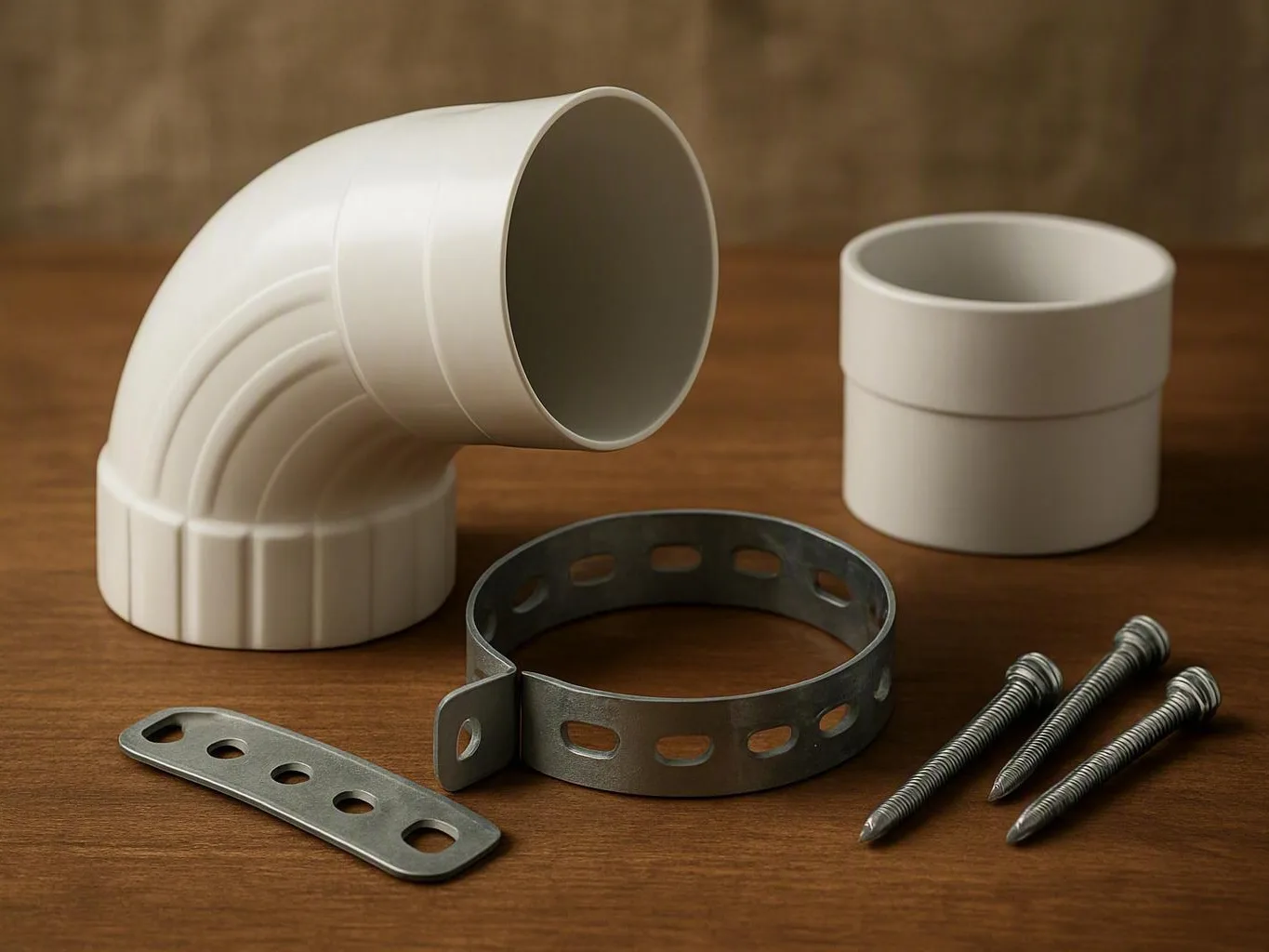
Backer Board is a support member behind a gutter or along the roof edge. It provides a continuous fastening surface. The existing fascia board may be too narrow, damaged, absent, or set too far back. Installers attach gutter hangers or brackets through the gutter and into the board. They then secure the board to sound framing.
Related glossary terms: Fascia Board, Gutter Hangers, Gutter Slope.
Gutter backer board differs from cement backer board beneath tile. Gutter work normally calls for exterior-grade wood, treated lumber, or exterior plywood. Workers choose materials for moisture exposure and the local roof structure. The board must stay stable through rain, heat, humidity, and building movement.
How Backer Board Works, Is Measured, or Is Used?
An installer first checks the fascia, rafter tails, soffit area, and roof edge. This check helps locate solid framing. The installer then chooses a board wide enough for planned fasteners. The board must also support the full gutter run. Board thickness is measured in inches. Its length follows the gutter section that needs support.
The installation sequence usually includes removing loose material and cutting the board. Workers seal or treat exposed edges. They fasten the board into sound wood. Hangers are spaced for the gutter design, roof runoff, and snow or ice exposure. Workers also follow manufacturer instructions. A level or laser helps set the intended gutter slope. A pilot hole can reduce splitting near board ends.
Fasteners must pass through the gutter hardware and into structural wood. They shouldn't pass only into thin trim or siding. The installer should avoid crushing the gutter or blocking roof drainage. The installer should also avoid leaving gaps that collect water. A board alone can't restore a damaged roof edge. Damaged wood must be repaired or replaced first.
Why Backer Board Matters?
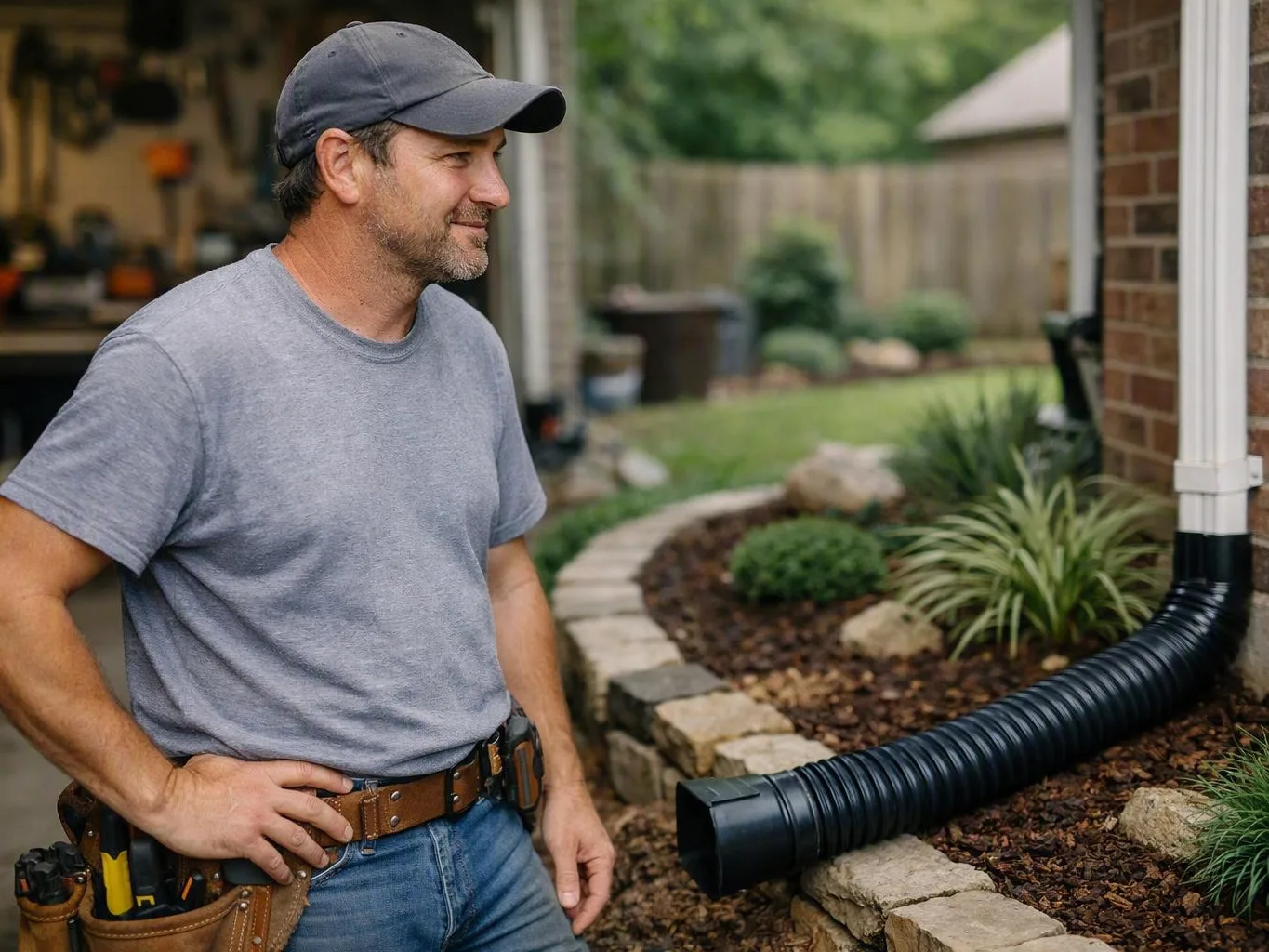
A properly installed backer board spreads the gutter's load across several framing points. The load includes water, debris, and attached accessories. This support reduces the chance that hangers will pull out. It also reduces gutter sag between attachment points. The board creates a more even line than blocks or short trim pieces.
Support quality affects drainage and maintenance. A sagging gutter can hold water and overflow at low spots. It can also stress miter joints and downspout connections. A sound backer board helps preserve the intended position of gutter guards. Guard performance still depends on correct roof and gutter alignment.
When Backer Board Matters Most?
Backer board helps during gutter installation on older homes. These homes may have limited fascia, exposed rafter tails, or changed roof edges. It can also help during gutter replacement. Installers may find stripped holes, rotten trim, or hangers attached only to siding. Memphis homes may face repeated wetting from heavy rain. Exposed wood needs suitable protection and proper drainage.
Before approving the method, inspect the framing for rot and insect damage. Also check for movement and moisture staining. Confirm that the board won't cover roof ventilation or block the drip edge. Make sure it won't force the gutter too far outward. Warning signs include soft wood, loose fasteners, and visible board swelling. Other signs include open end grain and a gutter sloping toward a joint.
How to Evaluate Backer Board?
- Check whether fasteners reach sound framing instead of stopping in siding, thin trim, or deteriorated wood.
- Verify that board edges are sealed and that no exposed end grain can absorb repeated rain.
- Measure gutter slope from end to end and confirm that water flows toward the planned downspout.
- Look for soft spots, splitting, swelling, loose fasteners, or gaps behind the board.
- Confirm that the board does not block soffit ventilation or interfere with the drip edge.
Related Concepts Compared
Backer Board vs. Fascia Board
Fascia board is the visible trim along the roof edge. Backer board is added or positioned as structural support for gutter fasteners when the fascia alone cannot provide a reliable connection.
Backer Board vs. Gutter Hangers
Gutter hangers are the brackets or straps that hold the gutter. Backer board is the solid material behind those hangers that receives and supports their fasteners.
Backer Board vs. Tile Backer Board
Tile backer board is a moisture-resistant panel installed beneath tile and other finishes. Gutter backer board is a roof-edge support component, usually made from exterior wood products.
Expert Note
A backer board does not make weak framing strong. If the rafter tails or fascia contain rot, fasteners may fail even when the board looks solid. Trace each attachment into sound wood, then protect every cut edge before the gutter is installed.
Common Mistakes or Myths About Backer Board
- Attaching the board only to siding or thin decorative trim.
- Using untreated or unsealed wood in a location exposed to repeated wetting.
- Installing a board over rotten fascia without repairing the framing first.
- Choosing fasteners that are too short to reach sound structural wood.
- Blocking soffit ventilation or covering the roof edge flashing.
Backer Board in Practice: A Real-World Example
A house has narrow, split fascia that cannot hold replacement gutter hangers. The installer adds a treated wood backer board tied into sound rafter tails, seals the cut edges, and attaches the hangers through the gutter into the new support.
Sources & Further Reading on Backer Board
- International Residential Code, International Code Council
- Prescriptive Residential Wood Deck Construction Guide, American Wood Council
- Wood Handbook, Wood as an Engineering Material, USDA Forest Service
Related Services
Related Terms
Fascia Board
Fascia Board is a long, straight board attached along the lower edge of a roof, where…
Gutter Hangers
Gutter Hangers are hardware pieces that attach a rain gutter to a building’s fascia, rafter tails…
Gutter Slope
Gutter Slope is the slight angle that directs water through a gutter toward a downspout. Installers…
Drip Edge
Drip Edge is a metal or rigid water-shedding strip installed along roof edges to direct rainwater…
All Pro Roofing and Gutters
Have Questions About Backer Board?
Contact All Pro Roofing and Gutters for practical guidance on Backer Board and related gutter installation and gutter guards work in Memphis.