
What is an Eavestrough?
Eavestrough is a channel attached along a roof edge that collects rainwater and directs it to downspouts. The system helps control runoff near walls, doors, windows, foundations, and landscaping. In the United States, eavestrough is commonly called a gutter.
Quick Facts About Eavestrough
Category
Roof drainage component
Used for
Collecting and directing rainwater
Common confusion
Eavestrough and gutter usually mean the same thing
Also called
Gutter, Rain gutter
Often discussed with
Gutter Installation, Gutter Inspection
Key Takeaways About Eavestrough
- Eavestrough is another name for a roof-edge gutter in much of North America.
- The channel collects roof runoff and directs it toward downspouts.
- Proper slope helps water move without standing inside the channel.
- Downspout placement affects foundation drainage and landscape erosion.
- Guards reduce debris entry but do not remove the need for inspections.
Understanding Eavestrough
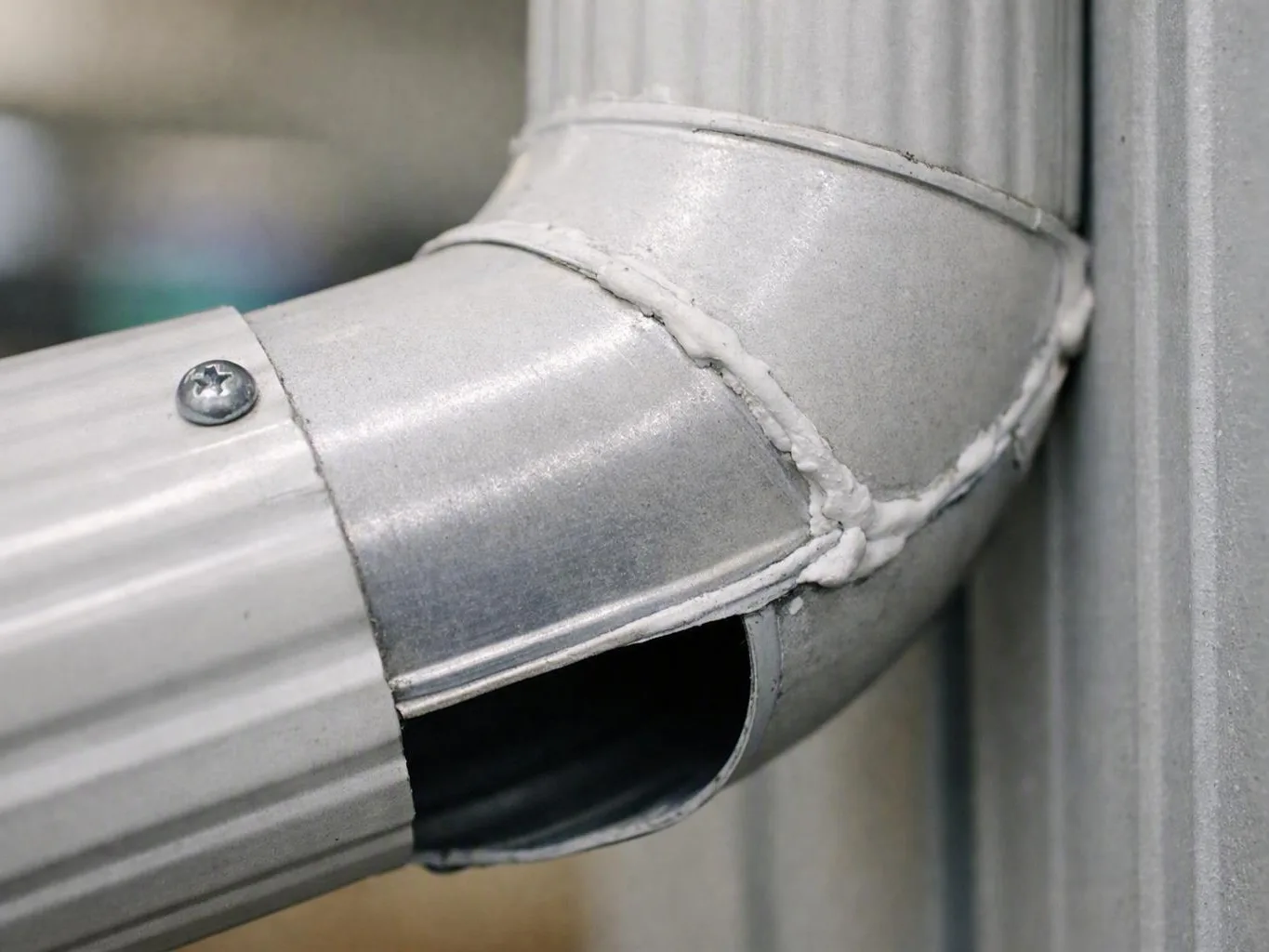
Eavestrough is a roof drainage channel fixed along a sloped roof's lower edge. It catches water as rain leaves the roof surface. It carries that water toward a downspout. The downspout moves runoff toward the ground, a splash block, or a planned drainage area.
Related glossary terms: Downspout, Gutter Slope, Gutter Hangers.
The word eavestrough is common in Canada and some northern United States areas. Many American contractors and homeowners use the word gutter for the same part. An eavestrough system may include end caps, outlet fittings, miter joints, hangers, and downspout extensions. Materials include aluminum, galvanized steel, copper, and vinyl.
How Eavestrough Works, Is Measured, or Is Used?
An eavestrough collects water from one or more roof planes. Installers create a slight gutter slope. This slope helps water flow toward an outlet. It stops water from staying in the channel. Channel size, downspout size, roof area, and local rainfall affect system capacity.
Installers measure each roof edge and mark outlet locations. They plan the water flow before attaching the channel. Common home profiles include K-style gutters and half-round gutters. A larger roof section may need a larger channel. A roof valley may also need an extra downspout. The installer checks the fascia board too. Weak wood can't hold hangers securely.
Water should leave the downspout far enough from the foundation. This helps prevent wet soil beside the wall. A splash block can spread water across the surface. A downspout extension can direct water toward a drainage swale or approved outlet. Underground drainage needs careful planning. Blocked or poorly sloped pipe can hold water near the foundation.
Why Eavestrough Matters?
A working eavestrough limits uncontrolled runoff around the building. Without a clear drainage path, water can stain siding, erode soil, and damage planted areas. Water can also collect beside the foundation. Repeated wetting can affect fascia boards, soffits, basement walls, and crawl spaces.
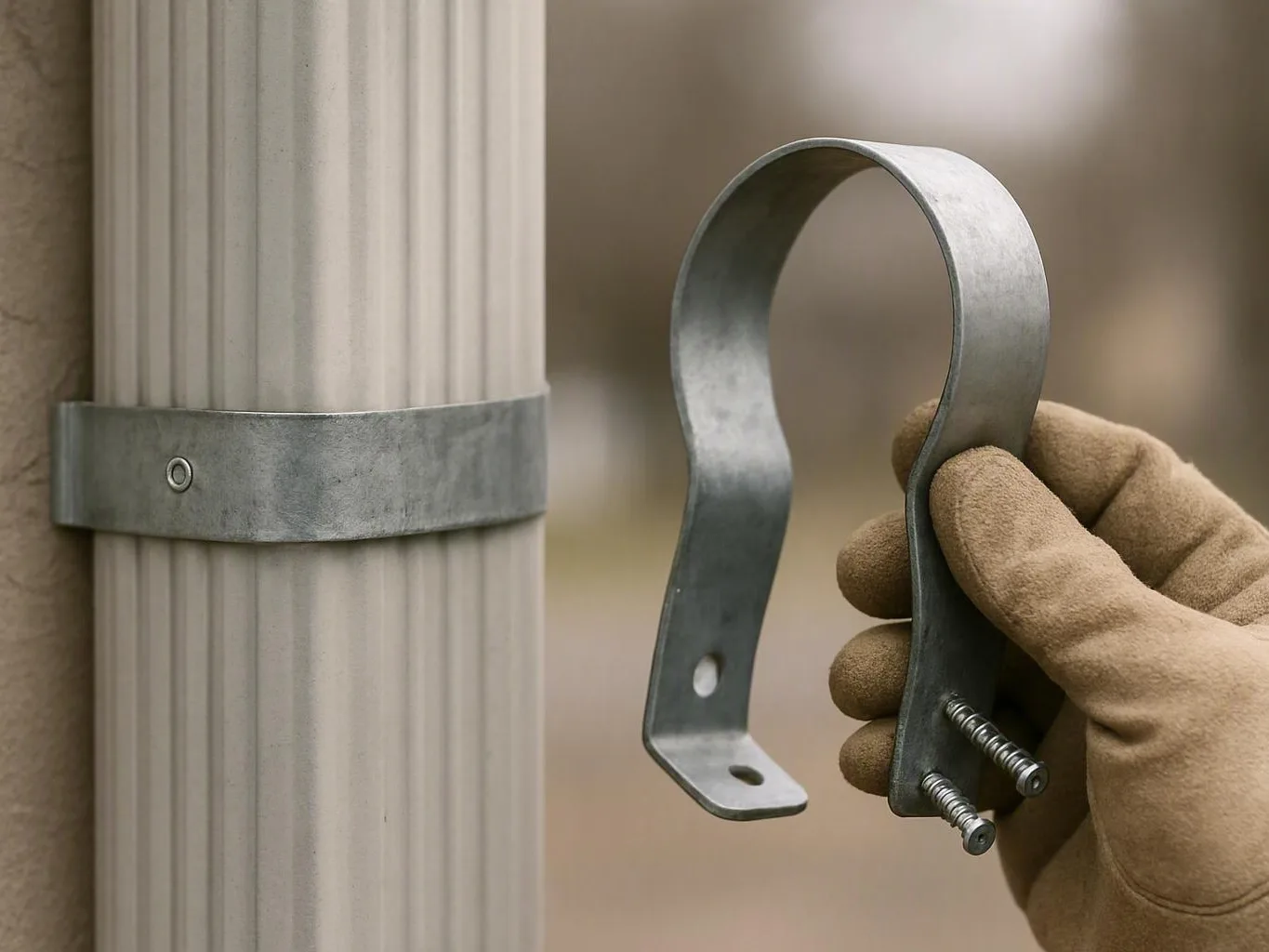
Good design matters as much as the channel itself. Seams, corners, and outlets need secure connections. Hangers need even spacing and solid attachment. Gutter guards can reduce leaves and larger debris. They don't correct poor slope, damaged seams, or an undersized drainage layout.
When Eavestrough Matters Most?
Eavestrough becomes especially important after a roof replacement, siding project, or home addition. These changes can alter the roof drainage pattern. New roof sections can increase water reaching one valley or outlet. A home with porches, dormers, or extensions may need a new downspout layout. It may not need only an extension of the current channel.
Inspection also matters after severe weather or ladder impact. It matters after repeated overflow, too. Look for sagging sections, rust, open seams, loose hangers, and stains below the channel. Also check for water pooling near the foundation. In Memphis, heavy rain makes clear outlets important. Reliable downspout discharge matters too. Nearby trees can increase debris entering the system.
How to Evaluate Eavestrough?
- Check that each channel has a visible, consistent slope toward an outlet.
- Look for sagging, open seams, rust, loose hangers, and water stains below the eavestrough.
- Confirm that downspouts discharge away from the foundation or connect to suitable drainage.
- Compare channel size and downspout count with the roof area and concentrated valley flow.
- Inspect guards for gaps, buildup, and overflow after a heavy rainfall.
Related Concepts Compared
Eavestrough vs. Gutter
Gutter is the more common United States term for the same roof-edge drainage channel. Eavestrough and gutter usually describe the same component.
Eavestrough vs. Downspout
A downspout is the vertical pipe connected to an eavestrough. The eavestrough collects water, while the downspout carries water from the roof edge to the ground or a drainage system.
Eavestrough vs. Scupper
A scupper is an opening or outlet that drains water through a parapet wall or roof edge. An eavestrough is a channel that collects water along the roof perimeter.
Eavestrough vs. Drip Edge
Drip edge is metal flashing installed along a roof edge to guide water away from roofing materials and fascia. It does not replace an eavestrough or carry water across the building.
Expert Note
A sound channel can still perform poorly if the fascia is soft, the slope is inconsistent, or the downspout outlet is restricted. Evaluate the entire drainage path, not only the visible eavestrough section.
Common Mistakes or Myths About Eavestrough
- Treating eavestrough and downspouts as interchangeable terms.
- Installing a channel without correcting rotten or weak fascia.
- Assuming gutter guards prevent all cleaning and inspection needs.
- Discharging downspouts beside the foundation without a drainage plan.
- Ignoring roof valleys that concentrate more water than straight roof edges.
Eavestrough in Practice: A Real-World Example
A two-story home has an eavestrough that overflows beside a front door during heavy rain. Inspection finds a clogged outlet and a short downspout that releases water against the foundation. Clearing the outlet and adding a longer extension corrects the immediate drainage path.
Sources & Further Reading on Eavestrough
- International Residential Code, International Code Council
- Residential Construction Performance Guidelines, National Association of Home Builders
Related Services
Related Terms
Downspout
Downspout is a vertical pipe that carries water from a gutter to the ground or a…
Gutter Slope
Gutter Slope is the slight angle that directs water through a gutter toward a downspout. Installers…
Gutter Hangers
Gutter Hangers are hardware pieces that attach a rain gutter to a building’s fascia, rafter tails…
Fascia Board
Fascia Board is a long, straight board attached along the lower edge of a roof, where…
All Pro Roofing and Gutters
Have Questions About Eavestrough?
Contact All Pro Roofing and Gutters for practical guidance on Eavestrough and related gutter installation and gutter guards work in Memphis.