
What is Gutter Screens?
Gutter Screens are protective covers fitted over open gutters to limit leaves, pine needles, twigs, and other debris from entering the drainage channel. The covers have openings or mesh that allow rainwater to pass while blocking larger material. Screen design, opening size, roof conditions, and installation quality affect performance and cleaning needs.
Quick Facts About Gutter Screens
Category
Gutter protection component
Used for
Blocking leaves and debris from open gutters
Common confusion
Screens are not the same as all types of gutter guards
Also called
Gutter Mesh, Gutter Leaf Screens
Often discussed with
Gutter Guard Installation, Gutter Inspection
Key Takeaways About Gutter Screens
- Screens reduce debris entry but do not make gutters completely maintenance-free.
- Opening size must balance water flow with resistance to leaves, seeds, and roof grit.
- Correct slope, fastening, and overlap matter as much as the screen material.
- Heavy tree cover and small roof debris can still require regular cleaning.
- Screens differ from solid-surface gutter guards in design and performance.
Understanding Gutter Screens
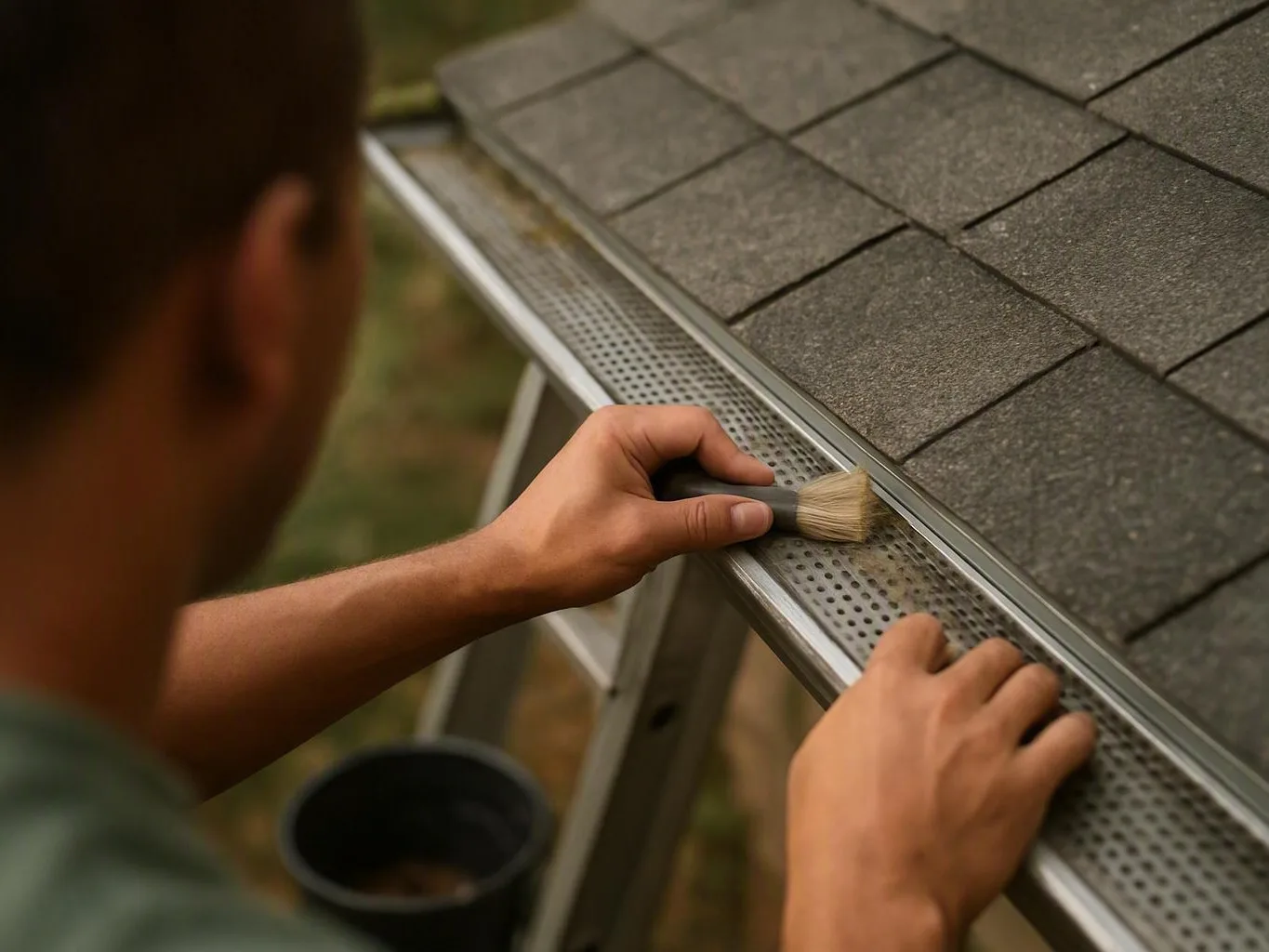
Gutter Screens are covers placed over open gutters. They reduce leaves, twigs, pine needles, and roof debris inside the channel. Most designs use perforated metal, expanded metal, wire mesh, or molded plastic. Openings let rainwater enter the gutter. The cover holds back larger debris.
Related glossary terms: Leaf Guards, Gutter Hangers, Gutter Slope.
A screen doesn't seal the gutter or stop every contaminant. Fine roof grit, seeds, pollen, and small organic material can pass through some openings. The screen also needs a sound fascia board. It needs suitable gutter hangers and a properly aligned gutter. A damaged gutter or loose cover can still overflow. This can happen even when the screen remains intact.
How Gutter Screens Works, Is Measured, or Is Used?
Installation usually starts with a roof edge inspection. Installers also inspect the gutter channel, fascia, end caps, and downspouts. The installer removes heavy debris and fixes loose sections. They check gutter slope so water moves toward the outlets. The screen is cut to fit. Workers secure it along the front and back edges. They overlap joints when the product requires it.
Screen performance depends on several physical details. Opening size affects what the cover blocks. Open area affects how fast water enters during heavy rain. A screen must stay below or near the roof plane. It shouldn't create a raised edge that redirects runoff. Valleys, dormers, and roof-to-wall areas may need special cuts. These areas collect water and debris.
Evaluation includes checking water movement during rain or a hose test. Look for water flowing over the front lip. Check for water pooling behind the cover. Also check for water bypassing the gutter at corners. Inspectors should examine fasteners, seams, end caps, and downspout inlets. A clean screen can't fix a blocked outlet. The cleaning schedule depends on trees, roof material, pitch, and local weather.
Why Gutter Screens Matters?
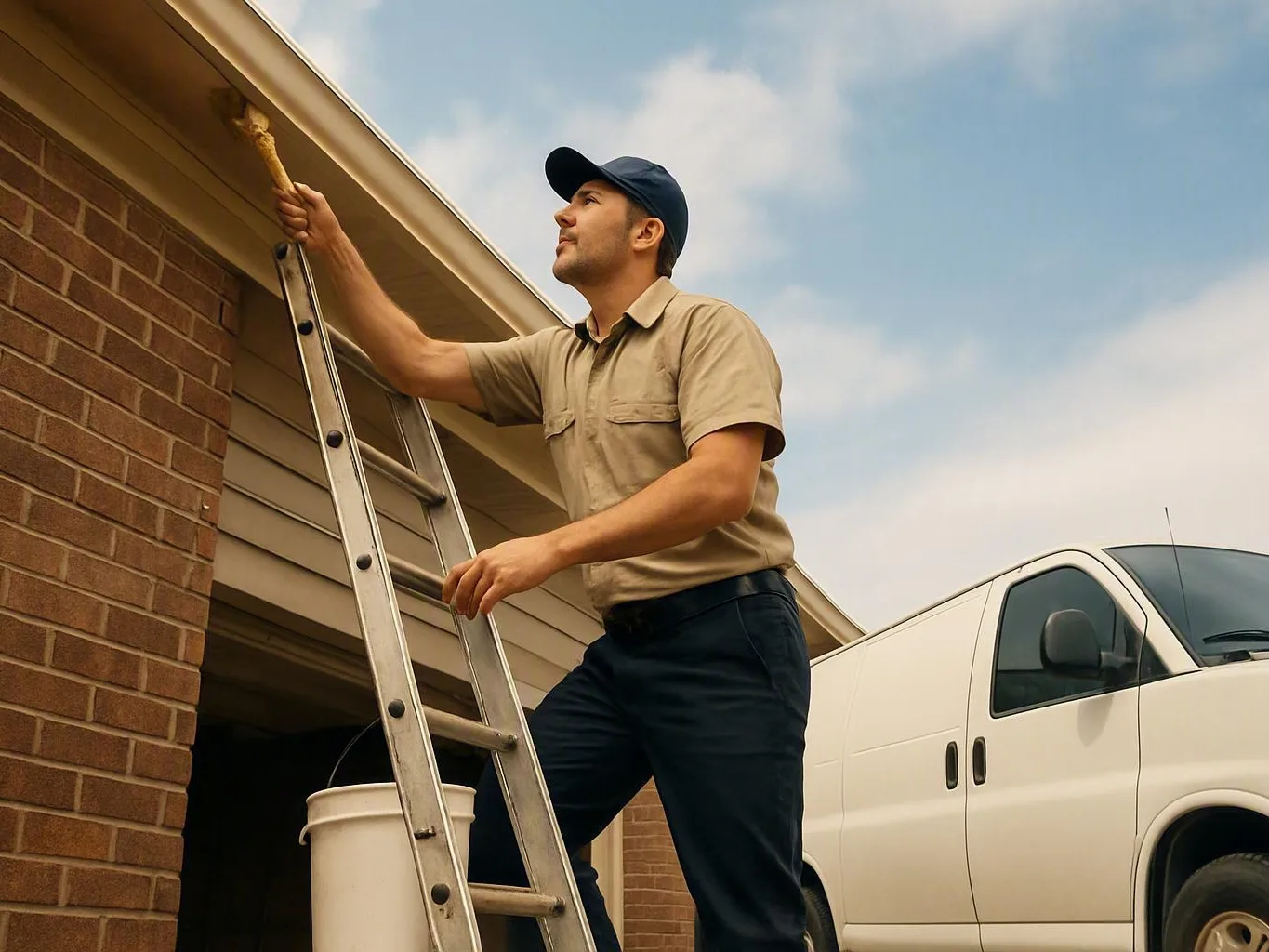
Gutter screens matter because clogged gutters can hold standing water. They can also reduce the drainage system's capacity. Water may spill over the front edge. It may stain siding, erode soil, or collect near the foundation. Debris can add weight to the gutter. It can also cause separated joints or loose fasteners.
A screen can reduce routine debris removal. It doesn't remove the need for inspection. The right design must match the site. It shouldn't match only the gutter size. For example, wide mesh may pass heavy rain well. It may also allow small seeds through. Fine mesh may block more debris. It may collect roof grit on top.
When Gutter Screens Matters Most?
Gutter screens help most beneath mature trees and near wooded lots. They also help on roofs that shed granules or organic debris. Screens matter where ladder access is difficult. They also help where a blocked downspout could send water toward a foundation. Homes with complex roof valleys need careful layout. Concentrated runoff can overwhelm poorly fitted screen sections.
Seasonal inspection remains necessary in Memphis. Storms, wind, and falling leaves can move debris onto the roof edge. Check the system after major storms. Check it again before the main autumn leaf drop. Watch for bent screens, exposed gaps, rust, and lifted fasteners. Look for water that misses the gutter during rainfall. Replacement may work better than patching. This applies when the gutter channel, fascia, or screen has widespread damage.
How to Evaluate Gutter Screens?
- Check whether the screen openings block the main debris found around the property.
- Inspect fasteners, seams, corners, and end caps for movement or visible gaps.
- Confirm that water enters the gutter rather than flowing over the front edge.
- Look for standing water, blocked downspout inlets, rust, and sediment buildup.
- Ask whether the design suits the roof pitch, valleys, tree cover, and gutter size.
Related Concepts Compared
Gutter Screens vs. Leaf Guards
Leaf guards are a broad category of gutter protection products. Gutter screens are one type that uses openings or mesh to cover an open gutter.
Gutter Screens vs. Gutter Mesh
Gutter mesh usually refers to a screen made from woven or expanded material. The terms often overlap, but gutter screens can also include rigid perforated panels.
Gutter Screens vs. Solid-Surface Gutter Covers
Solid-surface covers direct water around a shaped edge and block most debris from entering. Gutter screens allow water through openings across the cover.
Gutter Screens vs. Gutter Cleaning
Gutter cleaning removes debris already inside the drainage system. Gutter screens reduce future debris entry but do not replace inspection or cleaning.
Expert Note
A screen's visible condition can be misleading. Fine sediment may sit on top while the gutter below remains partly blocked. Inspect the outlet and downspout inlet during maintenance, especially beneath pine trees or near roof valleys.
Common Mistakes or Myths About Gutter Screens
- Assuming screens eliminate all gutter cleaning.
- Choosing openings without considering pine needles, seeds, and roof grit.
- Fastening screens to weak or damaged fascia.
- Ignoring downspout blockages after installing the screens.
- Leaving gaps at corners, valleys, and gutter joints.
Gutter Screens in Practice: A Real-World Example
A Memphis home beneath several mature trees has screens installed over its K-style gutters. After a storm, leaves collect on top of the screens, but water still reaches the downspouts. The homeowner still schedules inspections because small seeds and roof grit can pass through the openings.
Sources & Further Reading on Gutter Screens
Related Services
Related Terms
Leaf Guards
Leaf Guards is a category of gutter covers installed over open gutters to limit leaves, pine…
Gutter Hangers
Gutter Hangers are hardware pieces that attach a rain gutter to a building’s fascia, rafter tails…
Gutter Slope
Gutter Slope is the slight angle that directs water through a gutter toward a downspout. Installers…
Downspout
Downspout is a vertical pipe that carries water from a gutter to the ground or a…
All Pro Roofing and Gutters
Have Questions About Gutter Screens?
Contact All Pro Roofing and Gutters for practical guidance on Gutter Screens and related gutter installation and gutter guards work in Memphis.