Your Memphis, TN Seasonal Gutter Care Guide
Seasonal gutter care helps prevent overflow and water damage. Clean gutters after leaves fall. Check them before Memphis, TN rainy weather. Inspect downspouts and clear debris from gutter guards. Homeowners should check gutters and downspouts twice each year. Check them again after severe storms. Install replacement gutters before wetter spring weather, if possible. Call All Pro Roofing and Gutters when sagging, leaks, gaps, or repeated overflow continue after cleaning.
Get a Free Estimate
When to Clean Gutters and Gutter Guards in Each Season?
Gutter cleaning works best in late fall after leaves drop. Clean them again in spring before heavy rain. Gutter guards need cleaning after leaf fall. Small debris can collect on their screens or channels. Memphis, TN homeowners should also check both systems after major storms.
Late fall is often the best time for gutter cleaning. Mature trees can drop leaves, twigs, seed pods, and roof grit. Branches above the roof add even more debris. Homes with gutter guards still need care. Fine dirt can sit on screens or wash into the edges.
Spring is the second key time for a check. Clear winter buildup before heavy rain starts. Make sure each outlet stays open. This check helps move rain away from siding, fascia boards, walkways, and the foundation. Wet weather can also make plant debris build up faster.
Memphis, TN weather can change fast. Strong storms and wind can shift gutter sections. They can also loosen hangers or add new debris. Check the system after a storm. Look closer if you see splashing, new drips, or loose edges. A summer check also helps after long, hot weather.
Gutter Installation and Gutter Guards can work together. Neither one removes the need for checks. Guards block large debris, but gutters still need clear flow. Most homeowners schedule two checks each year. Add another visit after major storms or heavy leaf fall.
What to Check Before the Rainy Season?
Rainy season inspection should cover gutters, downspouts, end caps, seams, hangers, and gutter slope. Make sure water flows through each downspout. Water should drain away from the foundation. Clear roof valleys and blockages before steady rain begins. This helps reduce overflow, soil loss, basement moisture, and fascia damage.
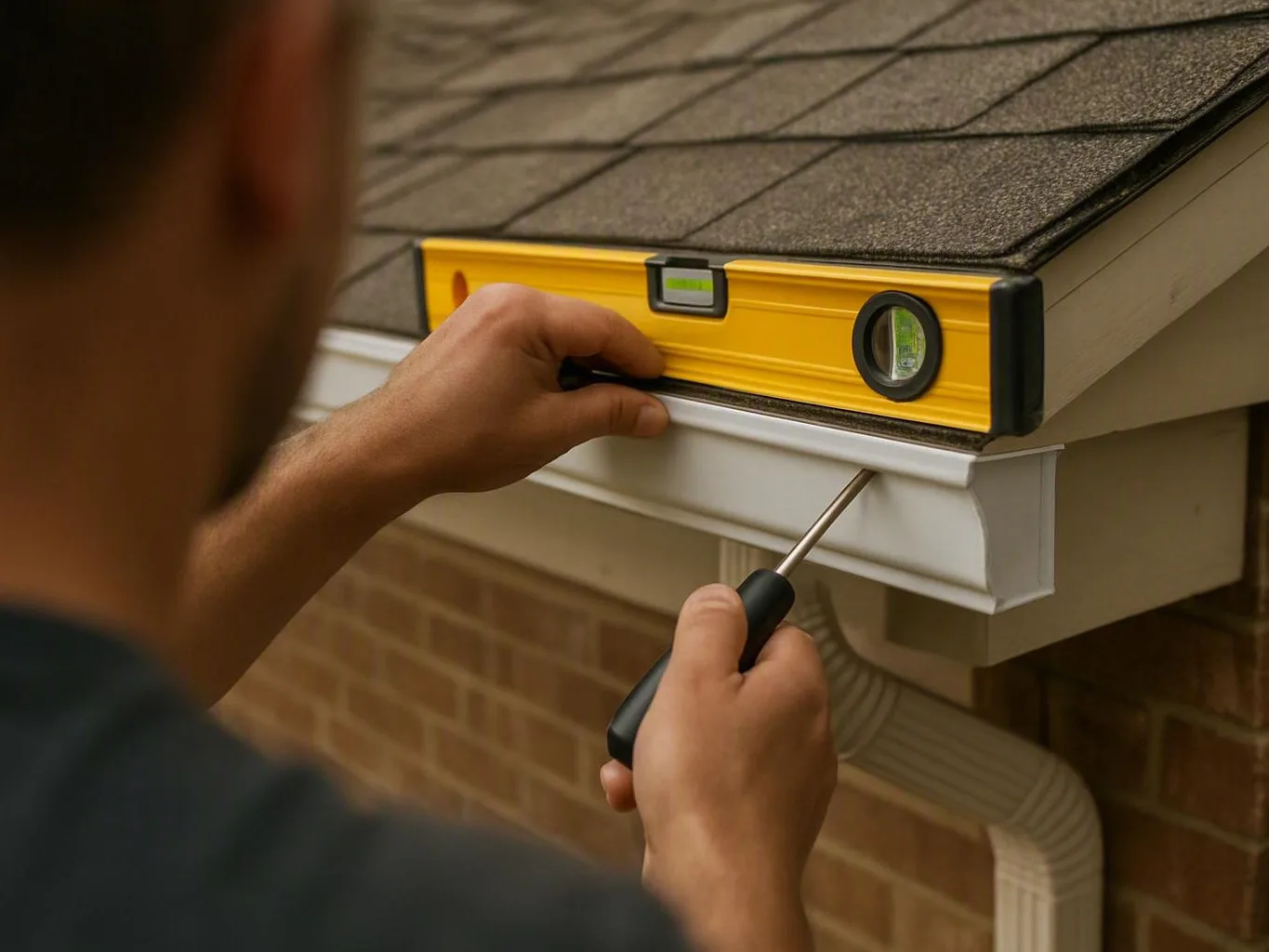
Start at the roof edge. Then follow the full path of rainwater. Look for leaves in roof valleys and around outlets. Check behind the guards, too. A blocked valley can send water over one spot. Each gutter section should slope toward its outlet. Low spots can hold standing water.
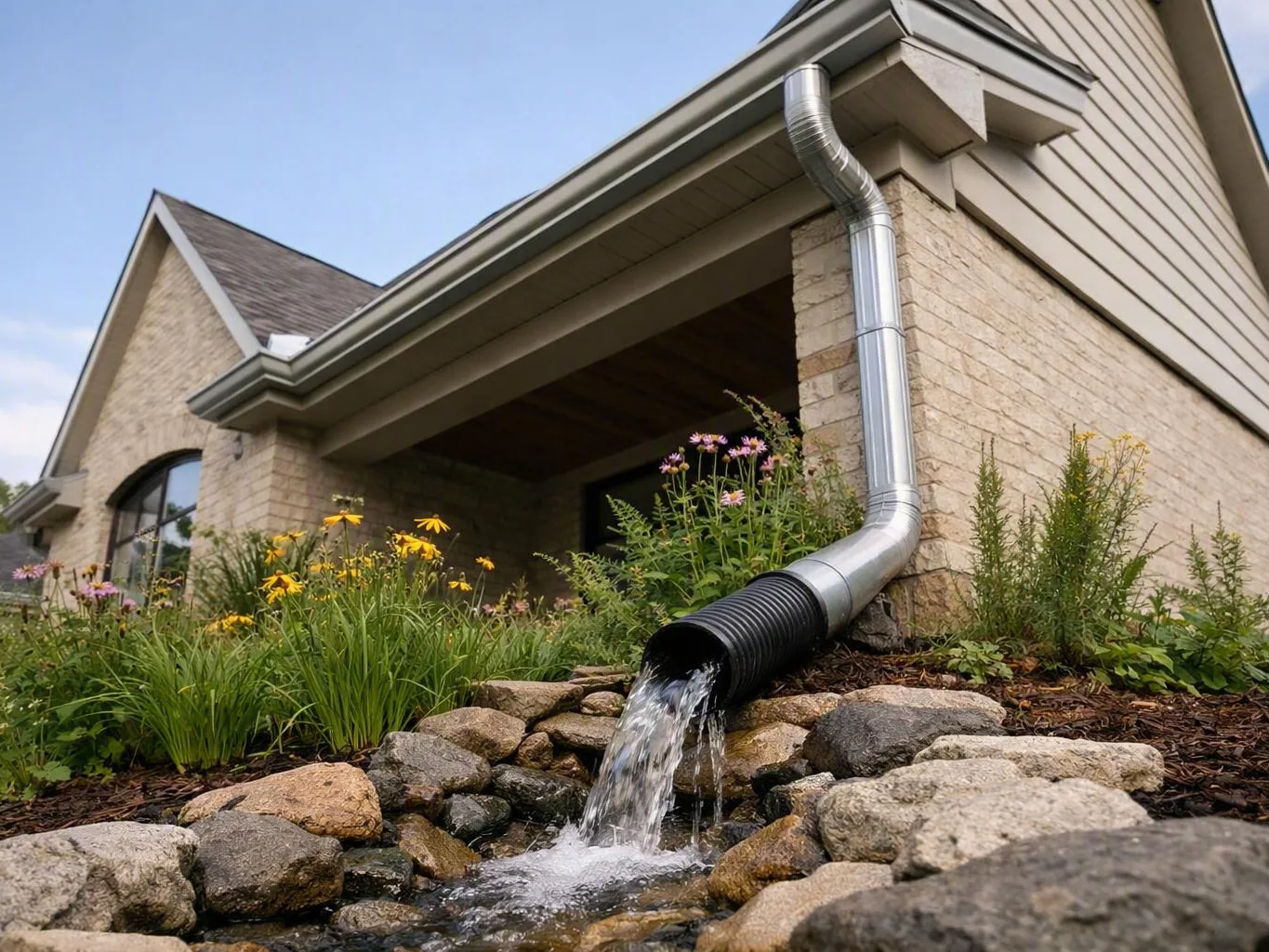
Next, check the downspout system. Blockages may hide near an elbow or underground line. Test water flow when conditions are safe. Water should leave the bottom without backing up. It should not spill from seams or collect beside the home. Extensions may help move water farther from the foundation.
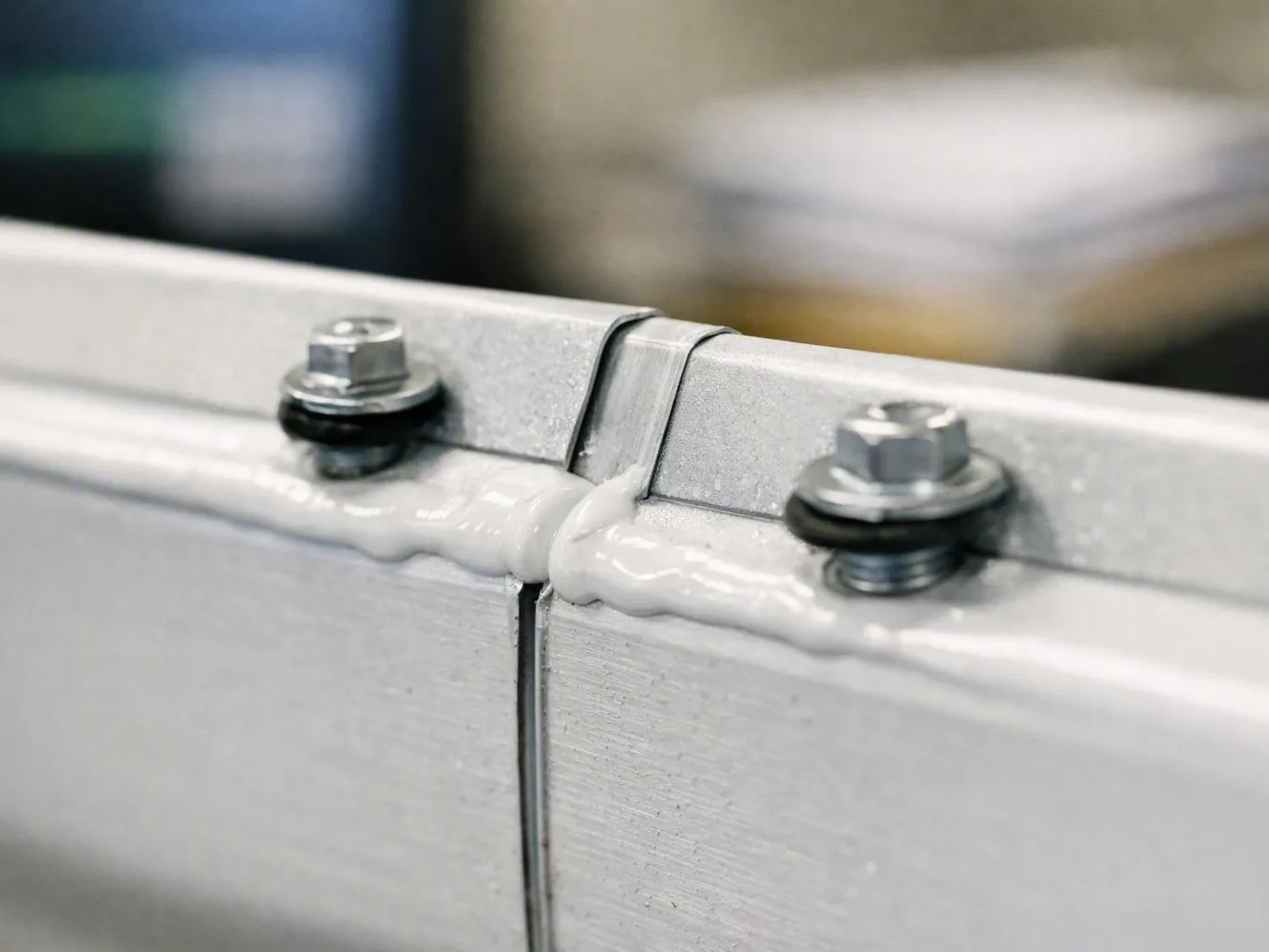
Check fasteners and hangers for movement. Loose parts can pull away from fascia boards. End caps and seams should have no open gaps. They should have no rust holes or fresh water stains. Also check the roof edge. Damaged trim can change how water enters the system.
Memphis, TN rainfall makes spring checks very useful. Test downspout flow before long storms arrive. Repeated overflow can wash away soil. It can also push mulch against siding. Moisture may collect near crawl spaces or basements. Good rain control starts with a clear path from roof to ground.
Warning Signs Your Gutters May Cause Overflow or Water Damage
Overflowing gutters and water damage show that the system needs care. Look for water spilling over the edge. Check for puddles near the foundation. Watch for sagging sections and open seams. Stained siding, rotted fascia, and worn soil also matter. These signs may point to blocks, poor slope, small gutters, or broken parts.
A warning sign may not show the exact cause. A leak may come from a failed seam. Overflow farther along may come from a blocked downspout. Small gutters can cause the same problem. Our team checks the full water path before suggesting cleaning, repair, or replacement.
Visible water damage needs more than another cleaning. Repeated problems may need new hangers or a better slope. Larger outlets or seamless gutters may also help. Quick action can limit fascia damage, siding damage, and foundation concerns.
When Is the Best Time to Install New Gutters?
Gutter installation works best before wetter spring weather. The roof edge and outside areas must be ready first. New gutters can protect siding, fascia, plants, and the foundation. Early planning may also help you get a better appointment time.
Early spring can work well when the roof edge is sound. The outside area must also be easy to reach. Try to finish before storms become more frequent. Fall can work when replacement cannot wait. Check the new system after leaves fall. Keep guards, outlets, and downspouts clear.
Replacement may help when leaks return after sealing. It may also help when sections pull away from the home. Rust holes and repeated overflow are other warning signs. Small gutters may not handle the roof water. Cleaning removes debris, but it cannot fix these problems.
Our team checks the roof edge and fascia attachment points. We also check outlet spots, downspout paths, and drain areas. Seamless gutters have fewer joints along long runs. End caps, corners, outlets, and downspouts still need proper fitting. The design should match your home and roof.
Weather and access can affect the work date. Other outside repairs may come first. Finish fascia or roof repairs before adding new gutters. A home may need several gutter sections and downspouts. Many jobs finish in one day. Each home needs its own review.
How Often Should Gutters and Downspouts Be Inspected?
Gutter inspection and downspout inspection should happen twice each year. Spring and fall are the usual times. Check again after severe storms. Homes with roof trees may need more checks. Repeated overflow also calls for extra visits. Each inspection should cover debris, fasteners, slope, seams, outlets, and drain areas.
Spring checks prepare the system for heavy rain. A fall check clears leaves before they get wet. Wet leaves can pack into the gutters. A quick storm check can find damage from wind. Look for shifted sections, bent outlets, or loose hangers.
Homes under mature trees may need checks during leaf season. Plant debris can build up fast in wet weather. A covered guard screen can send water over the edge. The gutter below may still look clean. Add gutter guard cleaning to the same visit.
A full inspection follows water from the roof edge to the ground. We check fasteners, end caps, seams, slope, and outlets. We also check elbows, extensions, and soil near the foundation. The goal is more than removing dirt. The system must work during real storms.
Keep a simple record of each check. Note the date, weather, problems, and repairs. Ask for a wider review if overflow continues after two cleanings. The cause may be size, slope, roof design, or hidden damage.
DIY Gutter Maintenance or Professional Service?
DIY gutter cleaning may work for light debris in easy-to-reach areas. Use the ground or a steady ladder. Professional service fits taller homes and hard-to-reach downspouts. It also helps with hidden damage, gutter guards, repeated overflow, or replacement choices. A pro can check the full water path.
Safety should guide your choice. Ladders are harder to use on sloped ground. They are also risky near plants or overhead wires. Never reach far to one side from a ladder. Avoid work during wind or rain. Ground tools may remove loose debris. They may miss loose hangers, open seams, or damaged fascia.
| Factor | DIY | Professional |
|---|---|---|
| Access | Best for low, easy-to-reach sections. | Better for tall, steep, or hard-to-reach rooflines. |
| Debris | Can remove light, visible leaf debris. | Can clear packed debris, outlets, and hidden blocks. |
| Gutter guards | May clean easy-to-reach screens with care. | Can clean screens and check gaps, damage, and attachment. |
| Inspection | Usually limited to visible conditions. | Can check slope, seams, hangers, outlets, and drain areas. |
| Replacement assessment | May miss size or attachment problems. | Can compare cleaning, repair, and replacement needs. |
Professional Gutter Inspection in Memphis can help when one section still overflows. It also helps when water damage is visible. Our crews can add Gutter Guard Cleaning when screens hold fine debris. We explain when repair makes sense. We also explain when gutter replacement offers better long-term protection.
Use a qualified service for homes with several stories. Professional help also suits fragile plants and hidden downspouts. Suspected fascia damage needs careful attention. A good seasonal gutter plan protects people and property. It can stop a small block from becoming a larger problem.
Questions About Gutter Installation and Gutter Guards
When Is the Best Time of Year to Clean Gutters?
The best time is usually late fall after most leaves drop. Clean them again in spring before heavy rain. Add a check after severe storms or fresh leaf fall.
When Should Gutter Guards Be Cleaned After Leaves Fall?
Clean gutter guards soon after leaf fall ends. This keeps wet debris from packing on screens or channels. Check them again after strong wind or severe storms.
What Should Be Checked Before the Rainy Season?
Check debris, gutter slope, hangers, seams, end caps, outlets, downspouts, roof valleys, and drain areas. Make sure runoff leaves downspouts away from the foundation.
What Is the Best Time of Year to Install New Gutters?
Install new gutters before wetter spring weather when the roof edge is ready. Replacing damaged or small sections before heavy rain helps protect siding, fascia, plants, and the foundation.
How Often Should Gutters and Downspouts Be Inspected?
Inspect them at least twice each year. Spring and fall are the usual times. Inspect again after severe storms. Check more often with roof trees or repeated overflow.
Plan Your Next Gutter Check
Seasonal care can find blocked downspouts and loose hangers. It can also find leaking seams and water damage. Our team can inspect, clean, install, or replace parts that protect your home.
Contact All Pro Roofing and Gutters when problems continue after cleaning. Repeated overflow, sagging, gaps, or rust may need a full system review.
Schedule a gutter serviceRelated Resources
How Much Does Gutter Installation Cost in Memphis?
Memphis gutter installation cost
Compared ToShould You Repair or Replace Your Gutters?
gutter repair vs replacement
Compared ToWhich Gutter Guards Work Best for Leaves and Pine Needles?
best gutter guards for pine needles and leaves
How It WorksWhat Happens During a Professional Gutter Inspection?
professional gutter inspection process