When Copper Gutters Make Sense and What to Consider First
Copper gutters make sense for homes that need lasting strength and a special look. Check the roof edge, fascia, soffit, drainage, hangers, and old gutters first. Copper gutters can replace many systems, but the supports must hold them well. The team must also check outlet spots, downspout paths, and nearby metals. Copper needs less care than some materials. Still, it needs seasonal cleaning and checks. The higher cost, theft risk, patina, and skilled labor affect the choice. Look at long-term value, not just the starting price.
Get a Free Estimate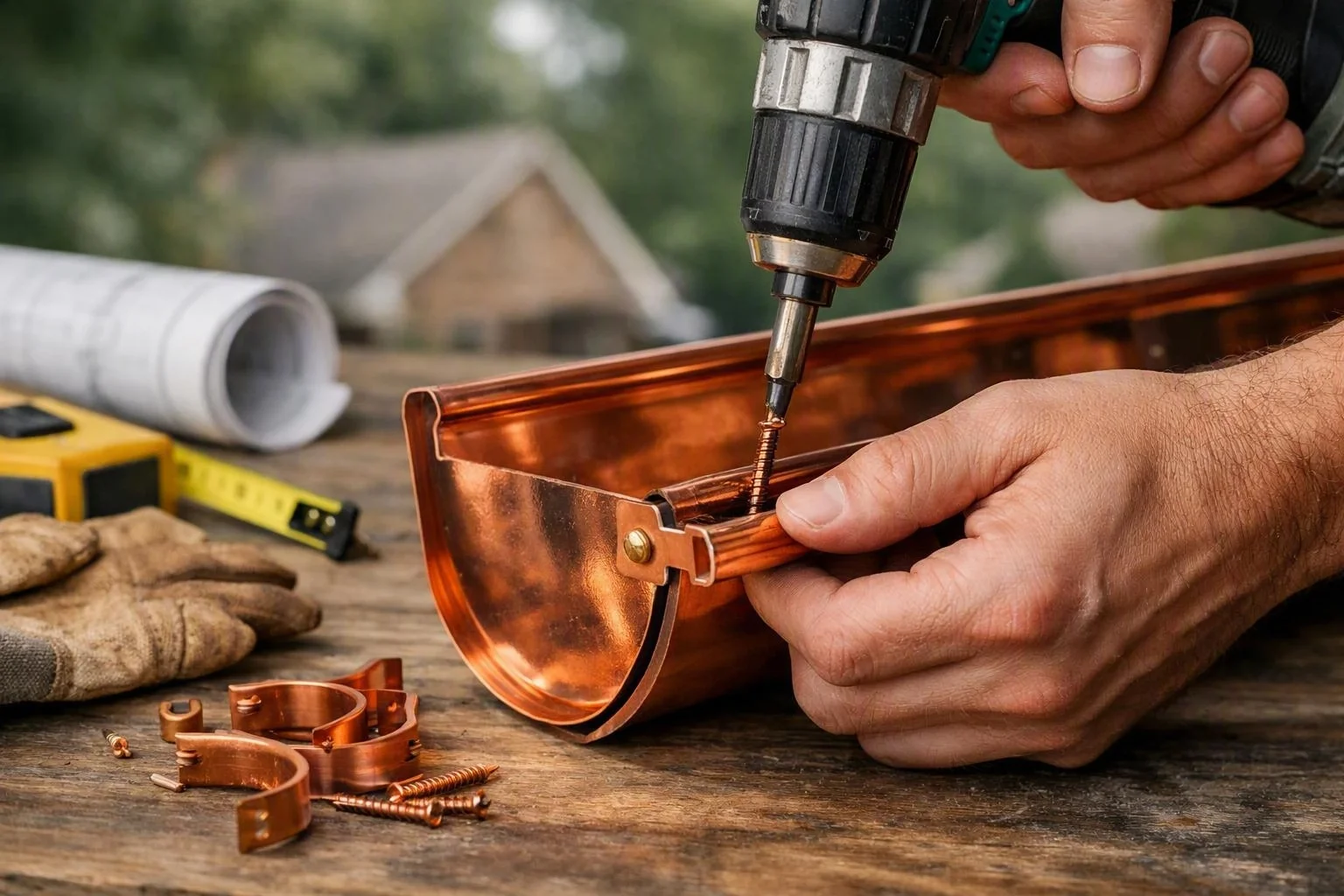
All Pro Roofing and Gutters provides installation and inspection service for homeowners comparing copper rain gutters with other rainwater drainage systems. Our team checks the full roof drainage system, not just the visible gutter.
Are Copper Gutters Worth It for Your Property?
Copper gutters may be worth it when lasting strength and a custom look matter most. They resist rust and can be made to fit many roof designs. They also gain a natural patina (surface color) over time. The main drawbacks include high cost, skilled labor, theft risk, and color changes.
The right choice depends on the building, budget, and care plan. Copper can suit a historic home or custom home. It can also fit a formal entry or detailed roof design. Half-round copper gutters and box-style copper gutters suit different roof lines. Copper leader downspouts can carry the same look down the wall.
Copper may offer good long-term value when sized and supported well. It resists normal rust and can be shaped at the job site. It can also be made from exact measurements. The starting cost exceeds many aluminum or steel options. Skilled labor, soldered seams, special fasteners, and careful work raise the final cost.
Appearance matters, too. New copper often looks bright and shiny. It may turn brown or dark before gaining a green or blue-green patina. That change happens naturally. Some owners want bright copper. Others like its aged look.
Copper may also attract thieves in some areas. Discuss access, placement, and site conditions before work starts. We compare lifespan, curb appeal, cleaning access, repairs, and future replacement needs. Price alone shouldn't guide the choice.
Most residential projects take one to three workdays after measuring and fabrication. The time depends on roof size, access, corners, outlets, fascia repair, and weather.
Review the good and bad points together. Copper looks unique and lasts well. It also costs more at the start and may need special repairs.
What Should Be Inspected Before Copper Gutter Installation?
A pre-installation inspection checks the roof edge, fascia, soffit, slope, outlets, downspouts, and supports. It also finds rot, loose trim, weak hangers, mixed metals, and water damage. These checks should happen before measuring and making copper gutters.
Our inspection also checks leaves, old sealants, loose fasteners, and mixed metals. We discuss cleaning access and the care level you prefer. Gutter guards may limit leaves. They still don't remove the need for inspections.
Before recommending Copper Gutter Installation, we match gutter size and slope to the roof. We also check outlet placement and rainfall runoff. This helps prevent a nice system from being too small or weak.
Can Copper Gutters Replace an Existing Gutter System?
Gutter replacement with copper can work when the roof drainage system supports it. The fascia, outlets, downspouts, and discharge areas must also work. This isn't always a direct swap. The job may need fascia repair, larger parts, new outlets, or metal separators.
An old gutter system shows how water moves across the roof. Overflow marks, stained siding, and washed soil can show past problems. The old gutters may have been too small. Downspouts may also sit in poor spots. A new system should fix these issues.
Seamless gutters have fewer joints in the field. Copper still needs planned corners, outlets, end caps, and room to expand. Some homes need custom sections. Uneven fascia and several roof levels can cause this need. We measure every run and check the fascia for hidden hangers.
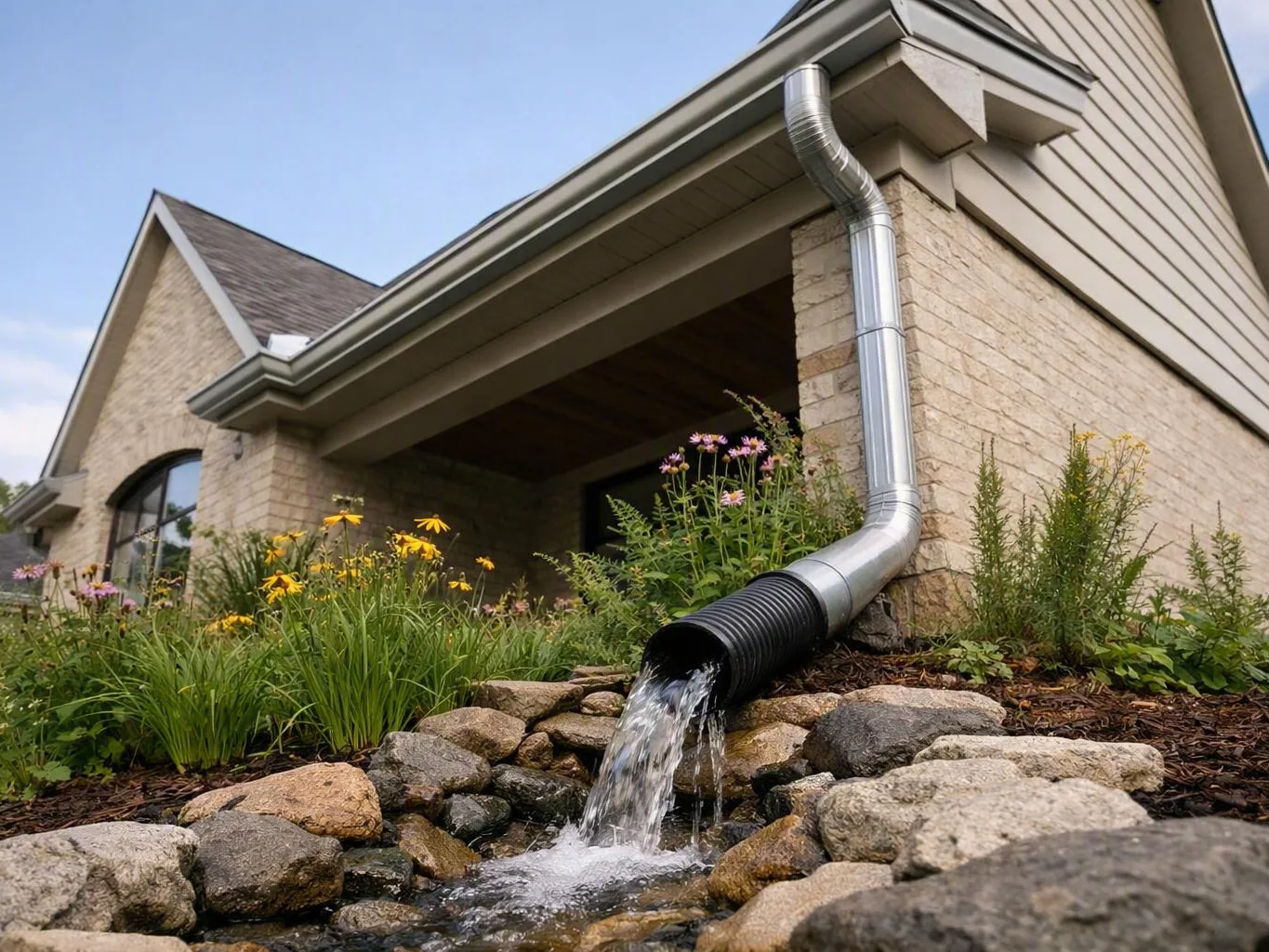
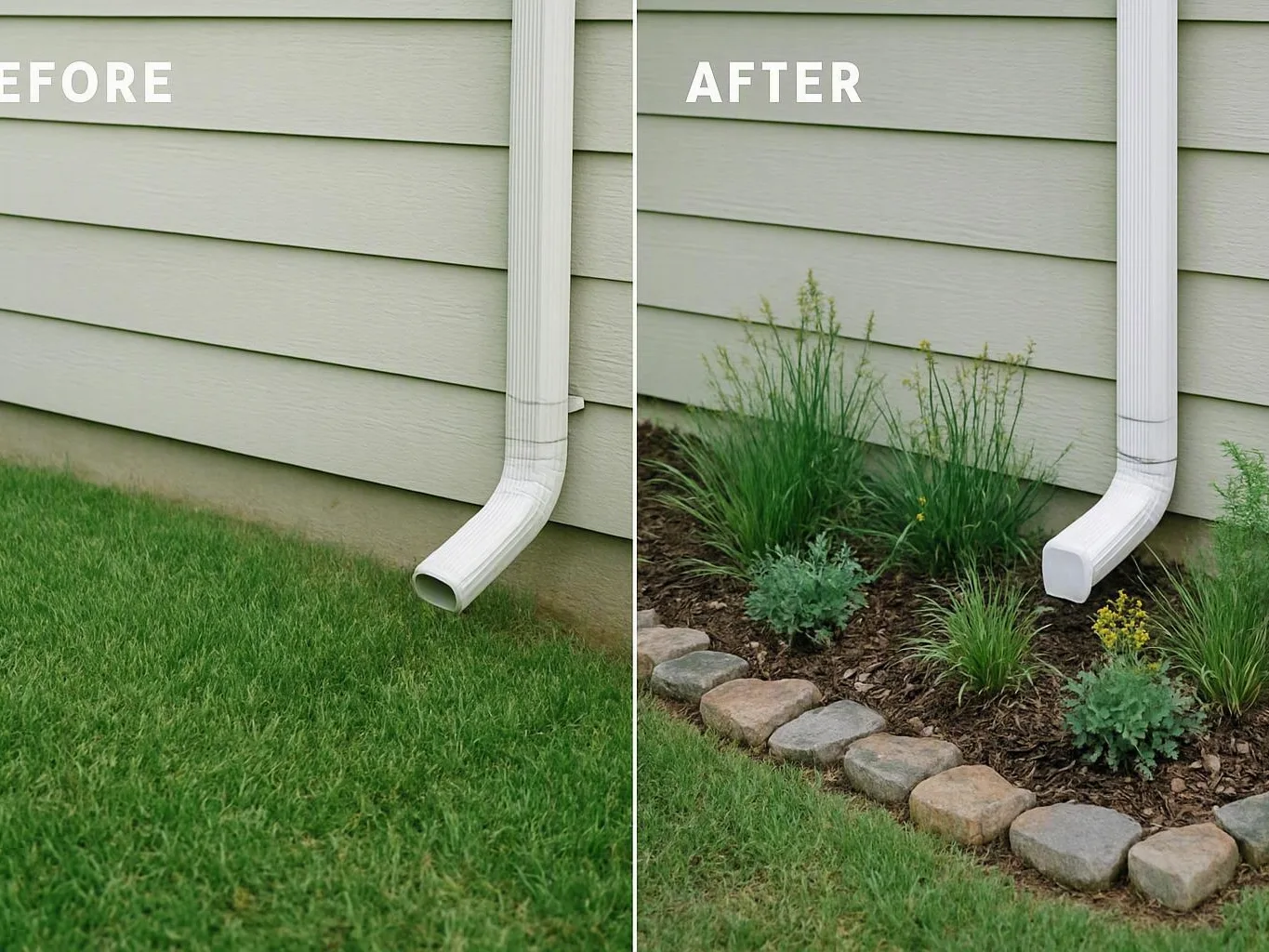
Downspouts may need a new path. A copper downspout should release water onto a safe surface. It may also connect to an extension. The water must move away from the foundation. Long runs, narrow outlets, and sharp bends can slow the flow.
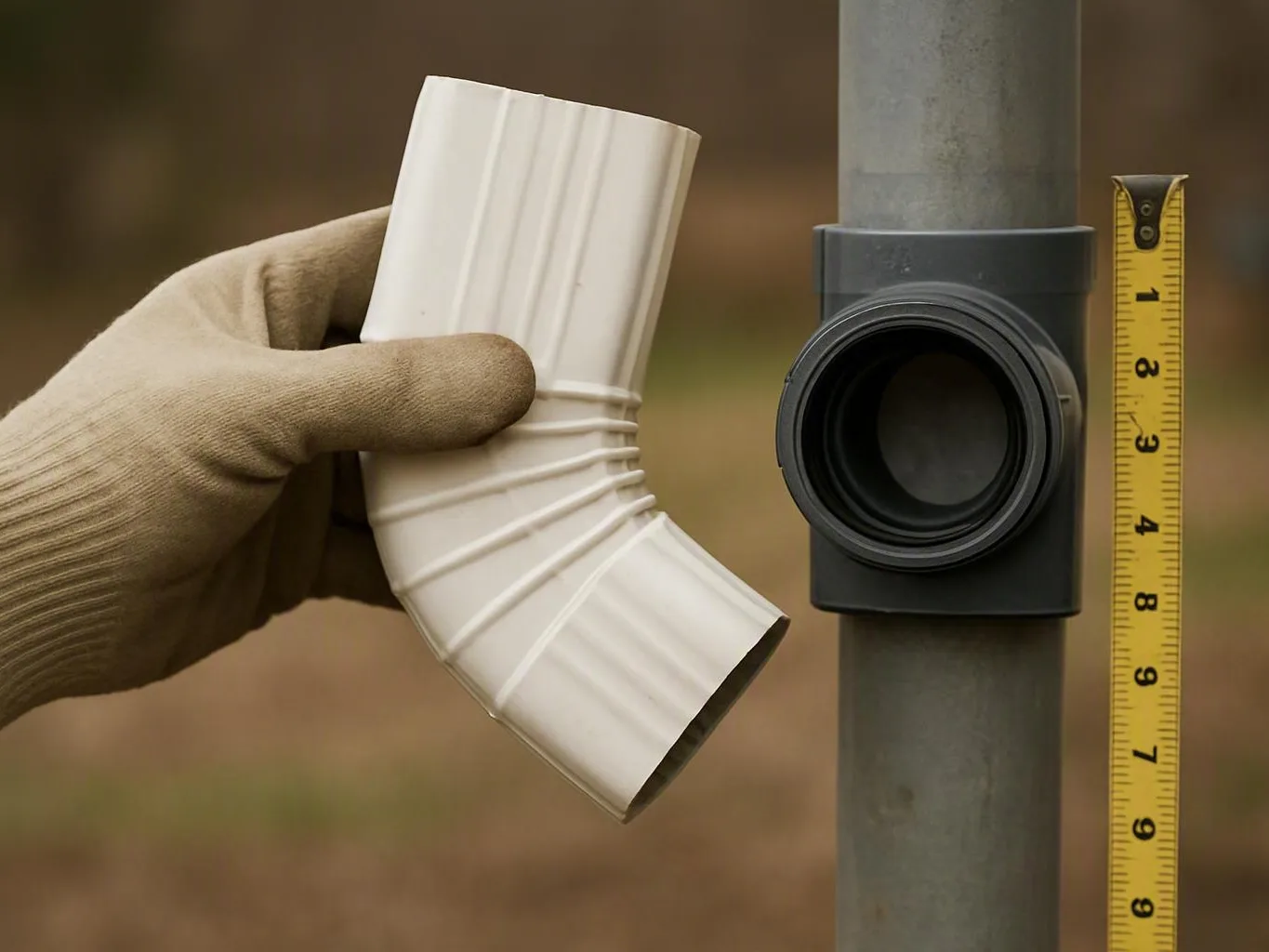
Metal types must be checked during the changeover. Wet copper can damage some galvanized, aluminum, or steel parts. This happens through galvanic corrosion (damage from mixed metals). Compatible fasteners and separators help protect the new work.
We may suggest partial replacement when only a few runs need work. The new parts must match in look, flow, and connection points. Gutter Replacement works best after checking the full roof drainage system.
Which Installation Details Matter Most for Copper Gutters?
Gutter installation needs the right size, strong hangers, good seams, and safe movement space. The plan must match the gutter and downspouts to the roof area. It must also protect the fascia and prevent mixed-metal damage.
| Detail | What to review | Why it matters |
|---|---|---|
| Copper gauge | Choose the right thickness for the run and roof exposure. | Strong metal helps prevent dents, movement, and sagging. |
| Seams and soldered joints | Plan clean joints at corners, outlets, end caps, and long runs. | Good joints help limit leaks and manage rainwater. |
| Hidden hangers | Attach hangers to strong fascia or framing. | Strong support keeps the gutter straight under runoff. |
| Expansion movement | Leave room for copper to expand and shrink. | This helps prevent buckling, pulled seams, and corner damage. |
| Metal compatibility | Separate copper from mixed metals where moisture may remain. | This limits corrosion and protects nearby roof parts. |
Water discharge matters as much as the visible gutter. Each outlet needs enough capacity for its roof area. Each downspout must end where water won't pool near the foundation. Extensions, splash blocks, or drainage links may help.
Gutter Installation and Gutter Guards help manage roof debris and cleaning access. Guards must fit the copper shape. They mustn't trap dirt. We also review soldering, corner movement, and your preferred patina.
How Much Maintenance Do Copper Gutters Need?
Gutter cleaning and inspections still matter because copper gutters aren't maintenance-free. Remove leaves and dirt. Flush the downspouts. Check seams, hangers, standing water, and leaks. The natural patina usually doesn't need removal. Owners should choose between aged copper and a preserved finish.
Leaves can block gutters and downspout outlets, especially under trees. Cleaning should also check nests, packed dirt, and small plants. Flushing the downspout confirms that water can move through the full path.
Check the system after heavy rain, strong wind, freezing weather, or nearby building work. Look for leaking seams, open end caps, loose hangers, dents, and standing water. Early repairs can help prevent fascia or foundation damage.
Patina is a normal color change. It isn't always a defect. Cleaning or polishing can change the finish. It may also create uneven color. Bright copper needs a planned treatment and regular care.
Many homes need cleaning once or twice each year. Homes near many trees may need more visits. This range isn't a fixed rule. Tree cover, storms, roof size, guards, and local weather affect the schedule.
Plan cleaning access during installation. Safe access to corners, outlets, and downspouts makes future care easier. We explain warning signs and when a professional gutter inspection may help.
What Signs Show a Gutter System Needs Attention?
Gutter trouble often shows through overflow, sagging, open joints, stains, or damaged fascia. Runoff near the foundation also signals a problem. These signs call for an inspection before copper installation. New gutters can't fix roof-edge damage or poor drainage design.
Record these signs before final measurements. Our crews follow water from the roof edge to the discharge point. This helps us fix the cause, not just the visible damage.
What Causes Copper Gutter Problems and How Can You Prevent Them?
Galvanic corrosion and drainage errors often cause copper gutter problems. Poor slope, leaves, weak supports, blocked downspouts, and mixed metals can shorten gutter life. Water that collects near the home can also cause damage. Good installation, regular cleaning, and safe downspout paths help prevent these issues.
Common causes include:
Prevention steps include:
Also consider theft risk, ladder access, trees, and your preferred patina. We record these choices before work starts. This helps the system fit the home and your care plan.
Questions About Gutter Installation and Gutter Guards
Are Copper Gutters Worth It?
They can be worth it when long life and a custom look matter most. Compare the starting cost with lasting value, patina, repair needs, cleaning access, and theft risk.
What Are the Benefits and Drawbacks of Copper Gutters?
Benefits include rust resistance, custom work, strong curb appeal, and natural patina. Drawbacks include higher costs, special labor, theft risk, color changes, and careful metal planning.
How Much Maintenance Do Copper Gutters Need?
They need seasonal checks, debris removal, downspout flushing, and leak checks. Many homes need cleaning once or twice each year. Trees, storms, roof design, and gutter guards can change that schedule.
Can Copper Gutters Replace an Existing Gutter System?
Yes, if the fascia, drainage design, outlets, downspouts, and discharge areas work well. The job may need fascia repair, new supports, larger parts, new outlets, or metal barriers.
What Should Be Inspected Before Copper Gutter Installation?
Inspect the roof edge, fascia, soffit, frame, slope, outlets, hanger points, drainage, discharge paths, leaks, and mixed metals. These checks show which repairs and design changes come first.
Plan Your Copper Gutter Project
Our team can check the roof drainage system, old gutters, fascia, soffit, outlets, and downspouts. We can also discuss your long-term care goals. A careful inspection helps you compare copper, partial replacement, and other drainage choices.
For homeowners discussing Copper Gutter Installation in Memphiswe can explain how roof size, pitch, rainfall, metal types, patina, cleaning access, and theft risk affect the plan.
Contact our teamRelated Resources
How Much Do Copper Gutters Cost to Install?
copper gutter installation cost
Compared ToShould You Repair or Replace Your Gutters?
gutter repair vs replacement
How It WorksWhat Happens During a Professional Gutter Inspection?
professional gutter inspection process
Who It's ForGutter Guard Types: How to Choose the Best Fit for Your Home
types of gutter guards