Why Water Sits in Your Gutters and How Slope and Hangers Affect Drainage
Gutters hold standing water when poor pitch, sagging parts, clogs, or loose hangers block drainage. Poor gutter slope slows water and can cause overflow. Loose hangers let the gutter dip between support points. A professional inspection can show if you need cleaning, hanger repair, repitching, or gutter replacement. Minor slope issues may be fixed during gutter installation or repair. Bent channels, rust, and many loose fasteners often call for replacement.
Get a Free EstimateWhy Is Water Sitting in My Gutters After Rain?
Standing water usually means the gutter can't move roof water to the downspout. Common causes include poor gutter pitch, sagging, clogged outlets, small downspouts, and damaged channels. An inspection should find the blockage before repair or replacement begins.
A little moisture may remain after rain. Water that stays for hours points to a drainage problem. A low spot or repeated pooling also needs attention. Roof size, roof pitch, and rain strength affect drainage speed. Large or steep roofs can send heavy water into one gutter section. This is worse when downspouts are too far apart.
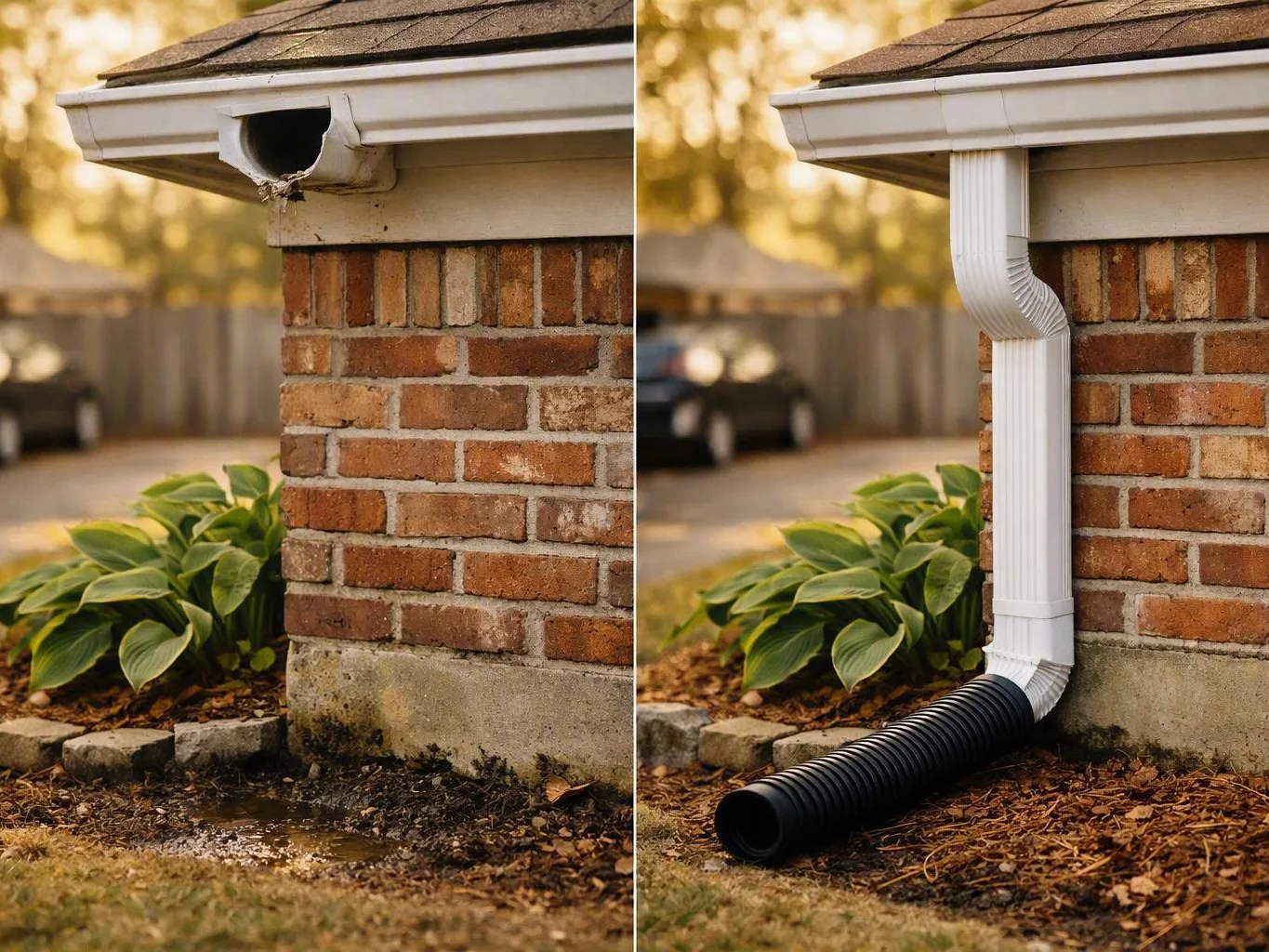
Start by checking the gutter from the ground. Look for leaves, grit, nests, and mud near the downspout outlet. Debris can stop water even when the slope is correct. If the outlet is clear, look for dips, gaps, crushed metal, or water marks below the front edge. These signs can show if you need cleaning or repair.
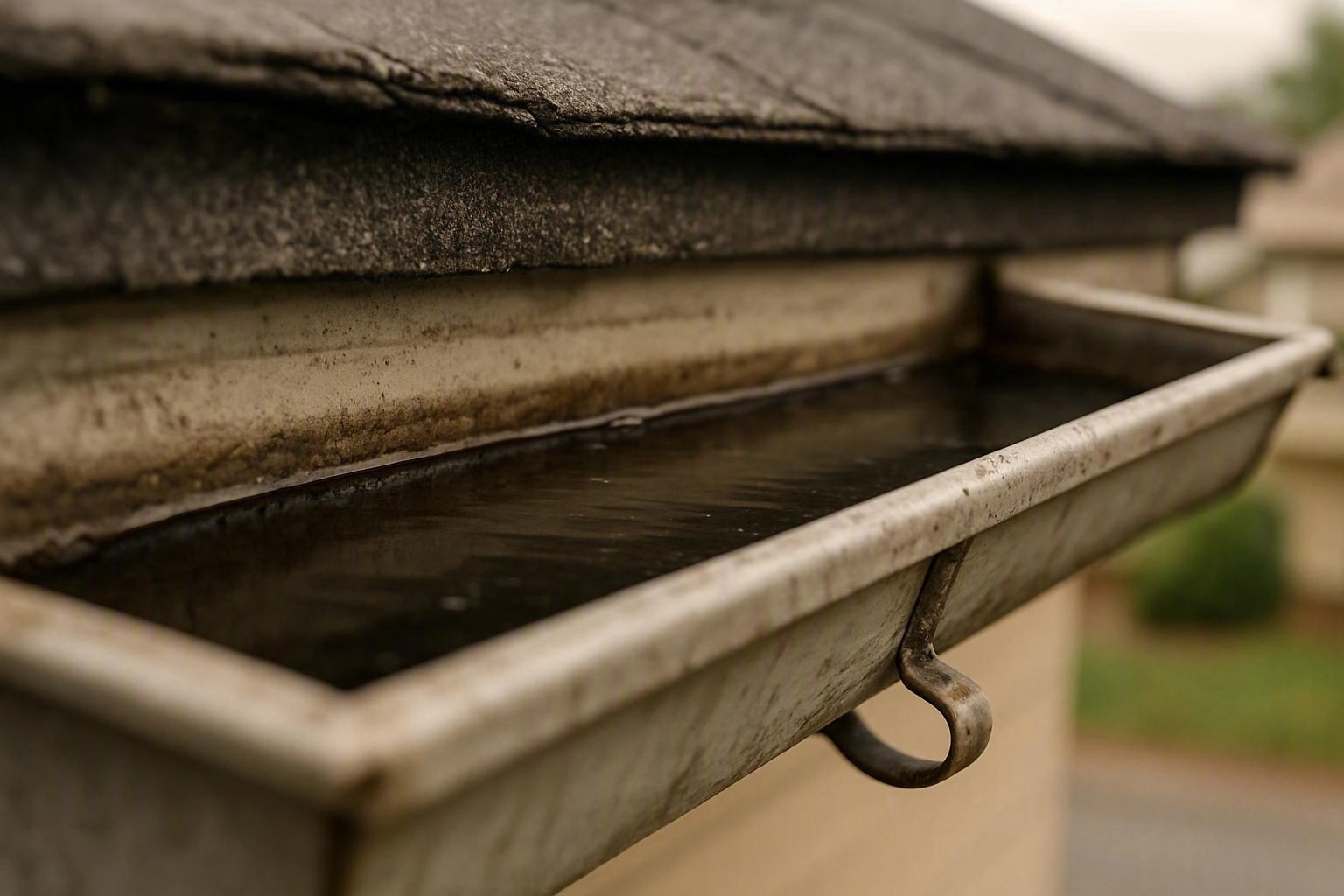
All Pro Roofing and Gutters traces water from the roof edge to the downspout. This helps us find the true cause. An inspection often takes 30 to 90 minutes. Time depends on roof height, access, and the number of gutter sections.
Signs Your Gutters Have a Drainage or Installation Problem
Gutter problems often show as pooled water, overflow, or movement. Check your gutters after rain. Look for standing water, front-edge overflow, sagging sections, open seams, loose hangers, fascia stains, and water near the foundation. Several signs together call for a full inspection.
One sign may have a simple cause. Several signs can show a larger drainage problem. We check the whole system before tightening one fastener.
How Does Improper Gutter Pitch Cause Overflow?
Improper gutter pitch causes overflow when water can't move toward the downspout. Water then pools in low spots. Heavy rain can push it over the front edge. A good slope must stay steady and well supported.
Gutter pitch is the slight angle that guides water toward a downspout. A level gutter may look neat. It may still drain poorly. Too little fall leaves water behind. An uneven fall may send water toward a seam or the wrong outlet. The best layout depends on roof size, roof pitch, rain strength, and downspout placement.
Gutter size also matters. A large or steep roof can send more water than one outlet can handle. Even a well-pitched gutter may overflow during hard rain. A blocked or small downspout can cause the same issue. Adding or moving an outlet may help more than changing the slope.
We check the fall across each gutter run. We also check if hangers keep the line in place. Water may flow during a test but back up during storms. That can point to a clog or small system. This helps avoid work you don't need.
Why Are My Gutters Sagging Between Hangers?
Gutters sag when hangers, fasteners, or fascia can't support the channel. Leaves, water, and debris add weight. Rotten fascia, loose screws, or bent metal reduce support. The dip changes the gutter pitch and traps water.
Gutter hangers hold the channel against the fascia board. Wide hanger spacing can let metal bow between supports. Ice and debris may make the sag worse. A gutter that stayed bent for years may not straighten with new screws.
How the gutter attaches also matters. Hidden hangers can pull out of weak wood. Older spikes and ferrules may loosen as the channel moves. Rotten fascia must be fixed first. New fasteners won't hold in damaged wood.
Wind and heat changes also strain gutters. Metal expands and contracts as temperatures shift. Wind can lift a loose gutter run. Our team checks the channel, hangers, fasteners, and fascia together. Then we choose a small repair or a new section.
What Causes Gutter Hangers to Come Loose?
Gutter hangers come loose when fasteners lose grip. Weak fascia can also cause failure. Repeated movement puts stress on each connection. Wind, heat changes, rust, and heavy debris add more strain.
Water trapped in the channel adds weight. It may push the gutter away from the roof edge. A repair should fix the cause, not just replace one screw. We may suggest fascia repair, closer hanger spacing, stronger fasteners, or a new section.
For readers seeking Gutter Inspection in Memphis, our process follows the same steps. We check the support surface, measure the fall, clear the outlet, and test downspout discharge.
How to Prevent Standing Water and Gutter Sagging?
Preventing standing water starts with clean gutters. The channel also needs a steady slope and strong support. Clear debris, check fasteners, and direct water away from the foundation. Inspect gutters after storms or overflow.
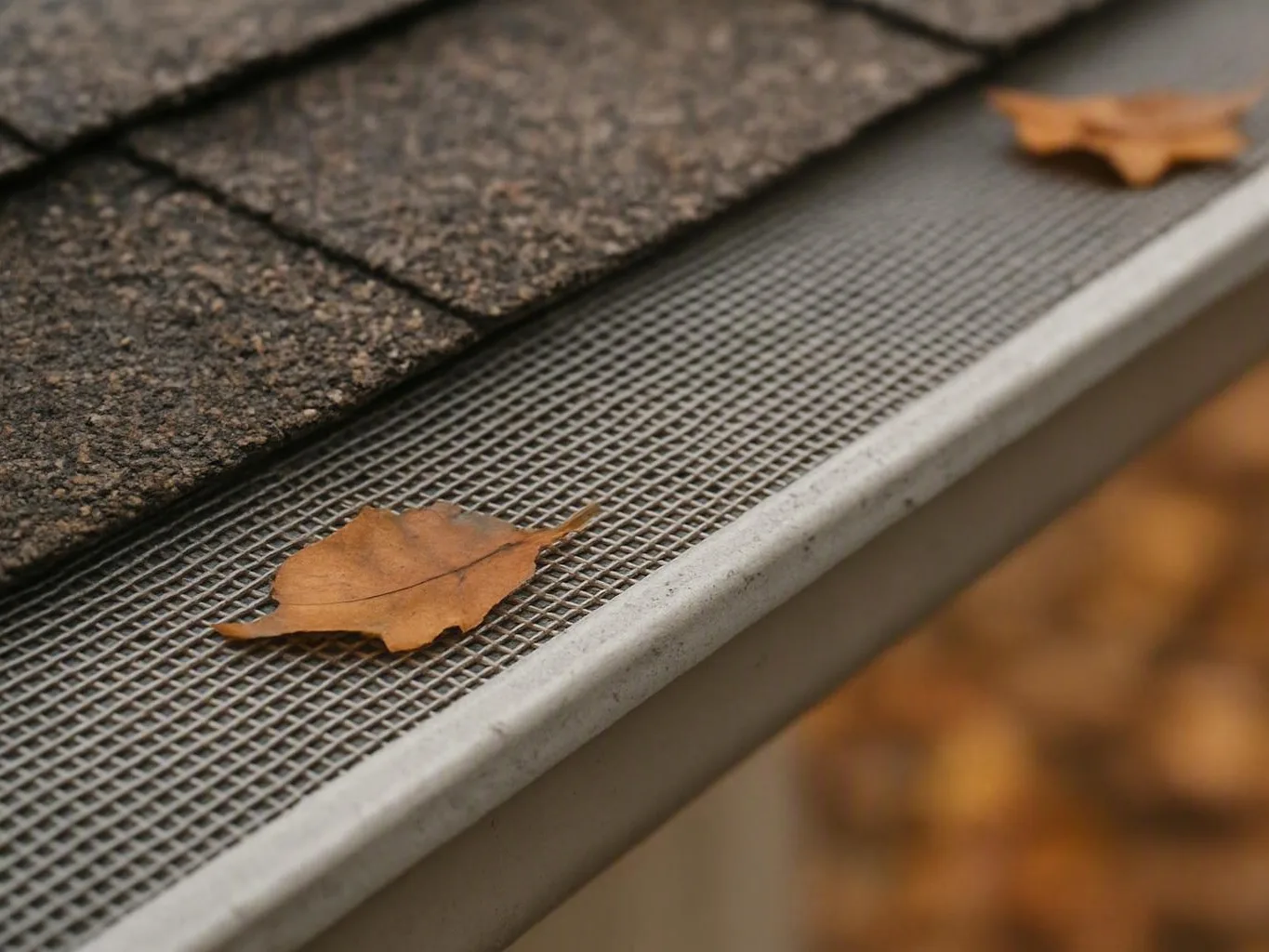
Roof drainage care includes the roof edge, valleys, gutters, outlets, and extensions. A guard can reduce leaves. It can't fix poor pitch, loose hangers, or small downspouts. Check the system after overflow. Don't wait for stains or foundation splashback.
Can Gutters Be Repitched or Do They Need Replacement?
Gutters can often be repitched when the channel remains strong. Minor movement and loose hangers may need repair. Replacement makes more sense for bent, rusty, or leaking gutters. Damaged fascia can also make replacement the better choice.
A sound aluminum gutter may need only hanger or fascia repair. It may also need repitching. The gutter can sometimes be loosened, reset, and secured again. This works when the seams, bottom, end caps, and outlet remain sound.
Replacement is often best for heavy rust, bent metal, and repeated leaks. Many loose hangers can also point to replacement. A damaged channel may hide weak spots. A new layout may also need different downspout locations or larger gutters.
| Condition | Likely option | Why |
|---|---|---|
| Clear channel with minor low point | Cleaning or repitching | The gutter may still hold a steady slope. |
| Loose hangers with sound fascia | Hanger repair | Strong fasteners may restore the gutter line. |
| Soft or rotten fascia | Fascia repair before gutter work | New fasteners need solid wood. |
| Corrosion, bent metal, or repeated leaks | Gutter replacement | The channel may not hold water or slope. |
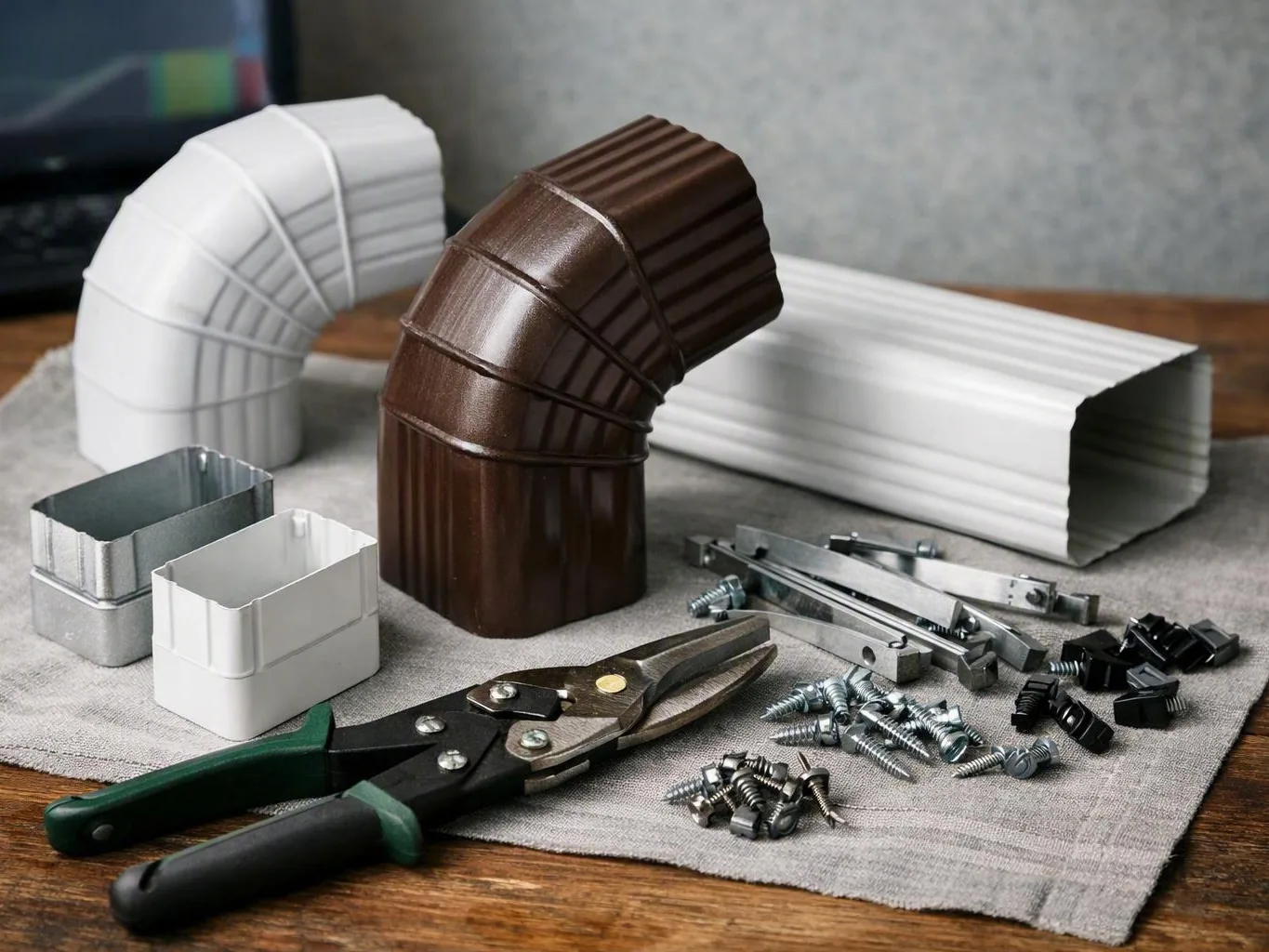
Our repair path is simple. We clean and test first when safe. We repair hangers when the channel is sound. We repitch when the line can be restored. We replace gutters when damage is widespread. We can also check if new Gutter Installation fits the roof and downspout layout.
What a Professional Gutter Inspection Should Check?
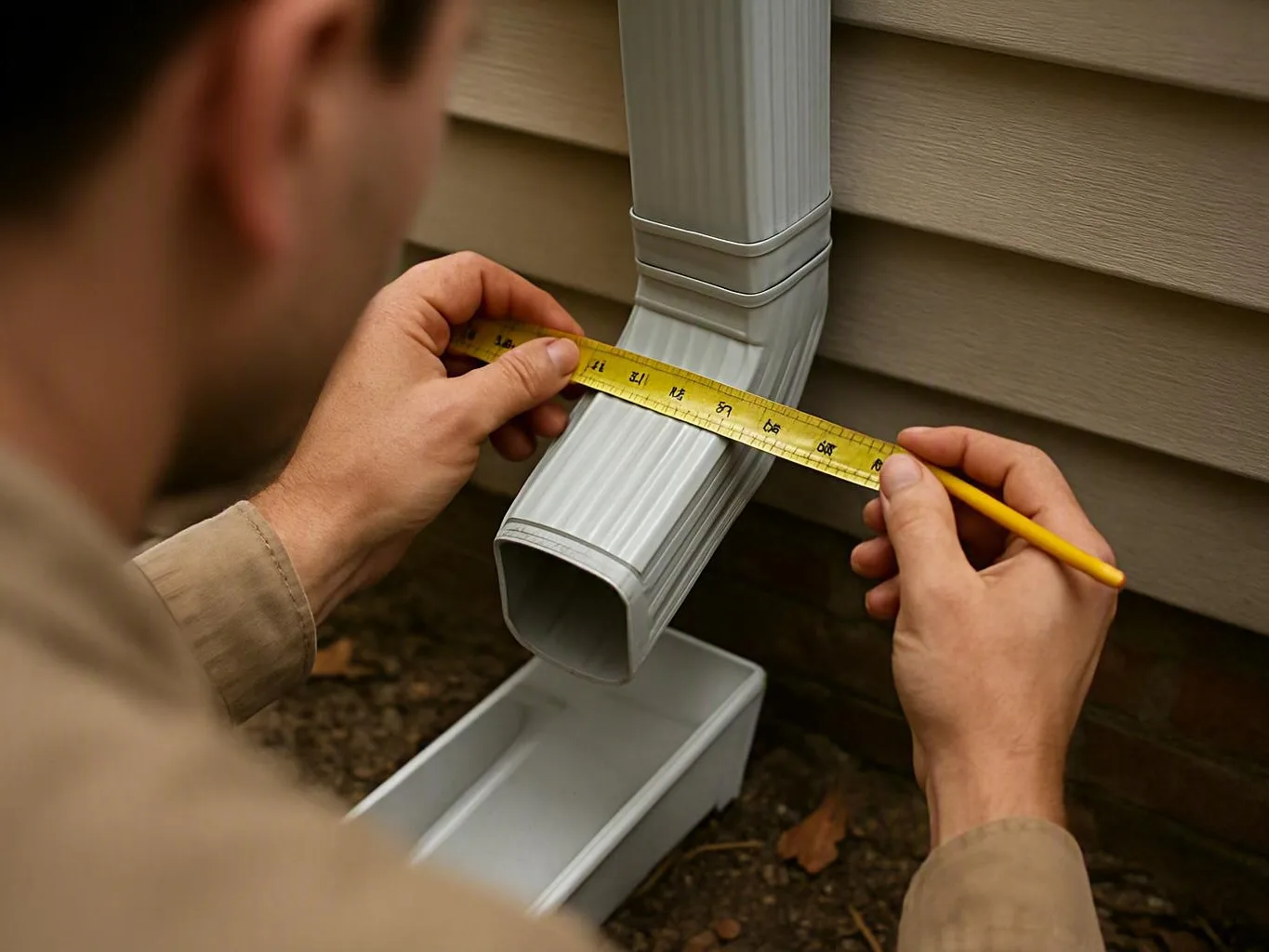
A professional gutter inspection checks pitch, hangers, fascia, seams, end caps, downspouts, and discharge. A technician can measure the slope and test water flow. This helps show if you need cleaning, repair, repitching, gutter installation, or replacement.
We start at the roof edge and follow the water path. A level can reveal a slope problem that is hard to see below. A water test shows if water reaches the outlet. It also shows if water stops or spills over first.
The inspection checks fascia, fasteners, hanger spacing, seams, end caps, and downspout discharge. You get clear choices instead of a quick fix for one visible sign.
Questions About Gutter Installation and Gutter Guards
How Much Slope Should Gutters Have?
Most home gutters need a slight, steady fall toward the downspout. The needed slope depends on run length, roof size, roof pitch, and rain strength. A professional can measure the fall and check the outlet layout.
How Do You Fix Standing Water in Gutters?
First, clear debris and check the downspout for a clog. If water still sits, check the pitch, hangers, fascia, and channel. The fix may include cleaning, hanger repair, repitching, outlet changes, or new gutter sections.
How Often Should Gutter Hangers Be Replaced?
Gutter hangers have no set replacement date. Replace them when they loosen, pull away, rust, bend, or fail to hold a steady line.
Can Clogged Gutters Cause Water to Sit?
Yes. Leaves, mud, grit, and nests can block gutters or downspout outlets. The blockage slows water and causes pooling. If water remains after cleaning, inspect the system for another cause.
How Do You Tell if Gutters Need to Be Replaced?
Replacement is more likely when gutters are badly bent, rusty, or leaking often. Many failed attachment points also signal trouble. Damaged fascia can weaken the system. If cleaning, hanger repair, or repitching fails, new gutters may last longer.
Our team can inspect your roof drainage system and explain the cause. We'll outline practical repair or replacement choices. Contact our team to arrange an assessment.
Get a Free EstimateRelated Resources
How Much Does Gutter Installation Cost in Memphis?
Memphis gutter installation cost
Compared ToShould You Repair or Replace Your Gutters?
gutter repair vs replacement
How It WorksWhat Happens During a Professional Gutter Inspection?
professional gutter inspection process
Who It's ForGutter Guard Types: How to Choose the Best Fit for Your Home
types of gutter guards