
What is Box Gutters?
Box Gutters is a concealed or semi-concealed roof drainage system built into the roof edge, parapet, or cornice. Unlike exposed hanging gutters, box gutters use a wide, lined channel to collect runoff before directing water into downspouts. They commonly appear on historic, commercial, and architecturally detailed buildings where appearance and drainage capacity both matter.
Quick Facts About Box Gutters
Category
Built-in roof drainage
Used for
Concealed drainage on historic and commercial roofs
Common confusion
Not the same as a deep K-style gutter
Main risk
Hidden leaks can damage roof framing
Also called
Built-in gutter, Concealed gutter
Often discussed with
Gutter Installation, Gutter Inspection
Key Takeaways About Box Gutters
- Box gutters sit within or behind the roof edge instead of hanging below the eaves.
- A waterproof liner, proper slope, and sealed joints control leaks inside the roof assembly.
- Drain size and outlet placement must match the roof area and expected rainfall.
- Repairs often require careful work around roofing, fascia, flashing, and structural framing.
- Historic buildings may need matching materials and preservation-sensitive installation methods.
Understanding Box Gutters
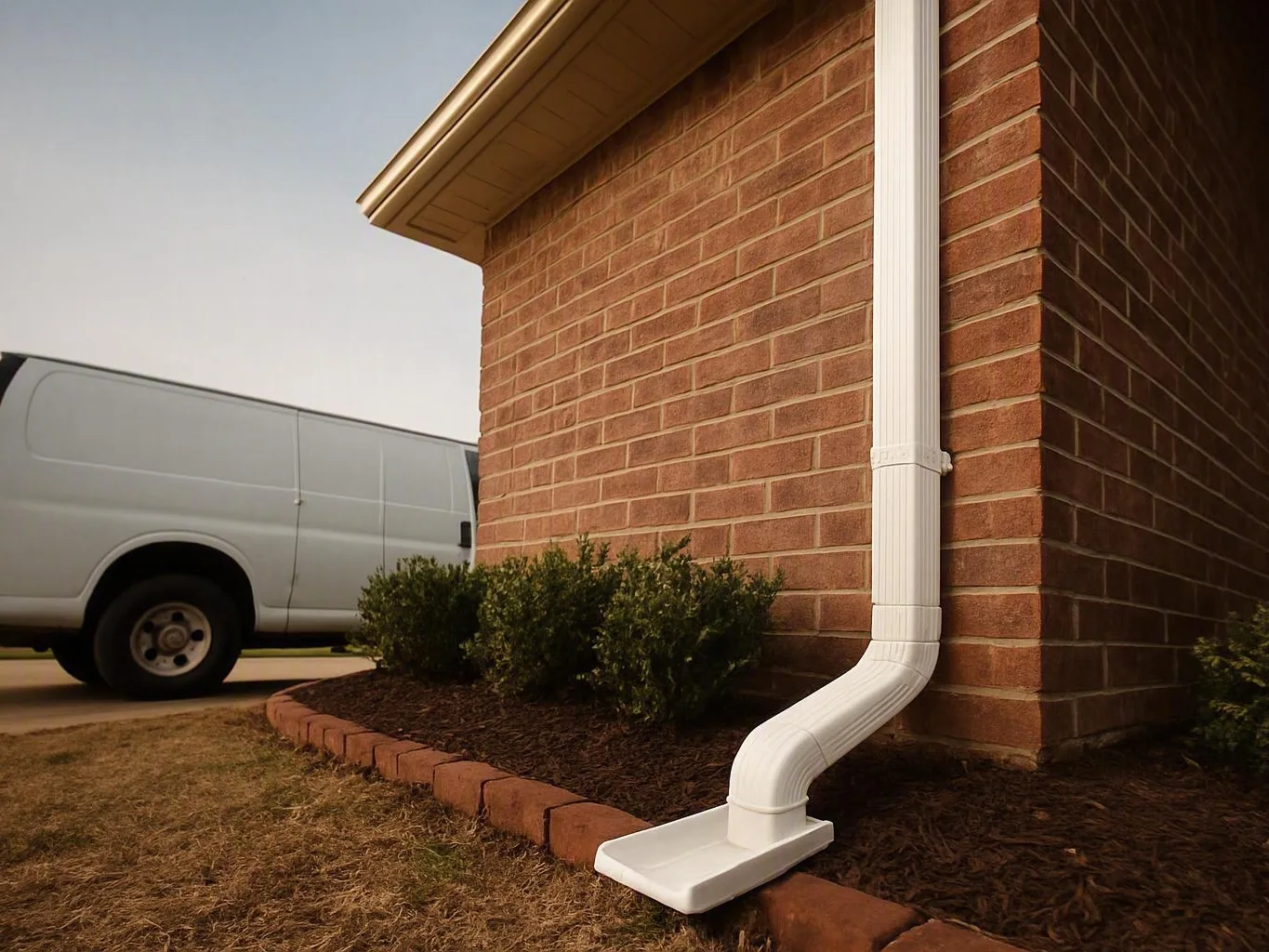
Box gutters are roof drainage channels formed into a building's edge. They aren't attached outside the fascia. The channel may sit behind a parapet, inside a cornice, or between roof framing members. A typical assembly includes a structural trough, a waterproof liner, a sloped base, outlet openings, and connected downspouts.
Related glossary terms: Downspout, Flashing, Gutter Slope.
Traditional box gutters often use copper, galvanized steel, or coated metal. Modern repairs may use compatible sheet metal, membrane materials, or a replacement trough designed for the existing roof. The visible edge can remain simple because the drainage channel is concealed. This design suits historic homes, churches, row buildings, and commercial structures. Exposed gutters would change their intended appearance.
How Box Gutters Works, Is Measured, or Is Used?
Rainwater enters the channel as it moves down the roof surface. The gutter base directs water toward outlets, which connect to downspouts or internal drainage pipes. A continuous waterproof lining protects the surrounding wood or masonry. Flashing helps keep water from entering joints at the roof edge. The system must also allow debris removal and controlled overflow during intense rain.
Designers size a box gutter by reviewing the contributing roof area, roof pitch, local rainfall data, channel width, channel depth, and outlet capacity. The effective roof area increases on steep roofs. Sloped surfaces receive more runoff than their horizontal footprint suggests. Installers also check gutter slopeseam locations, outlet spacing, and overflow paths. A low spot can hold water after each storm and shorten the life of the liner.
Installation usually starts with inspection of the roof edge and supporting framing. The crew removes damaged materials and corrects the base. It installs the liner and edge flashings, forms sealed joints, and connects outlets to downspouts. Water testing should follow the work. Test especially around corners, end dams, outlets, and old-to-new material transitions. Access panels or removable screens can make future cleaning safer and easier.
Why Box Gutters Matters?
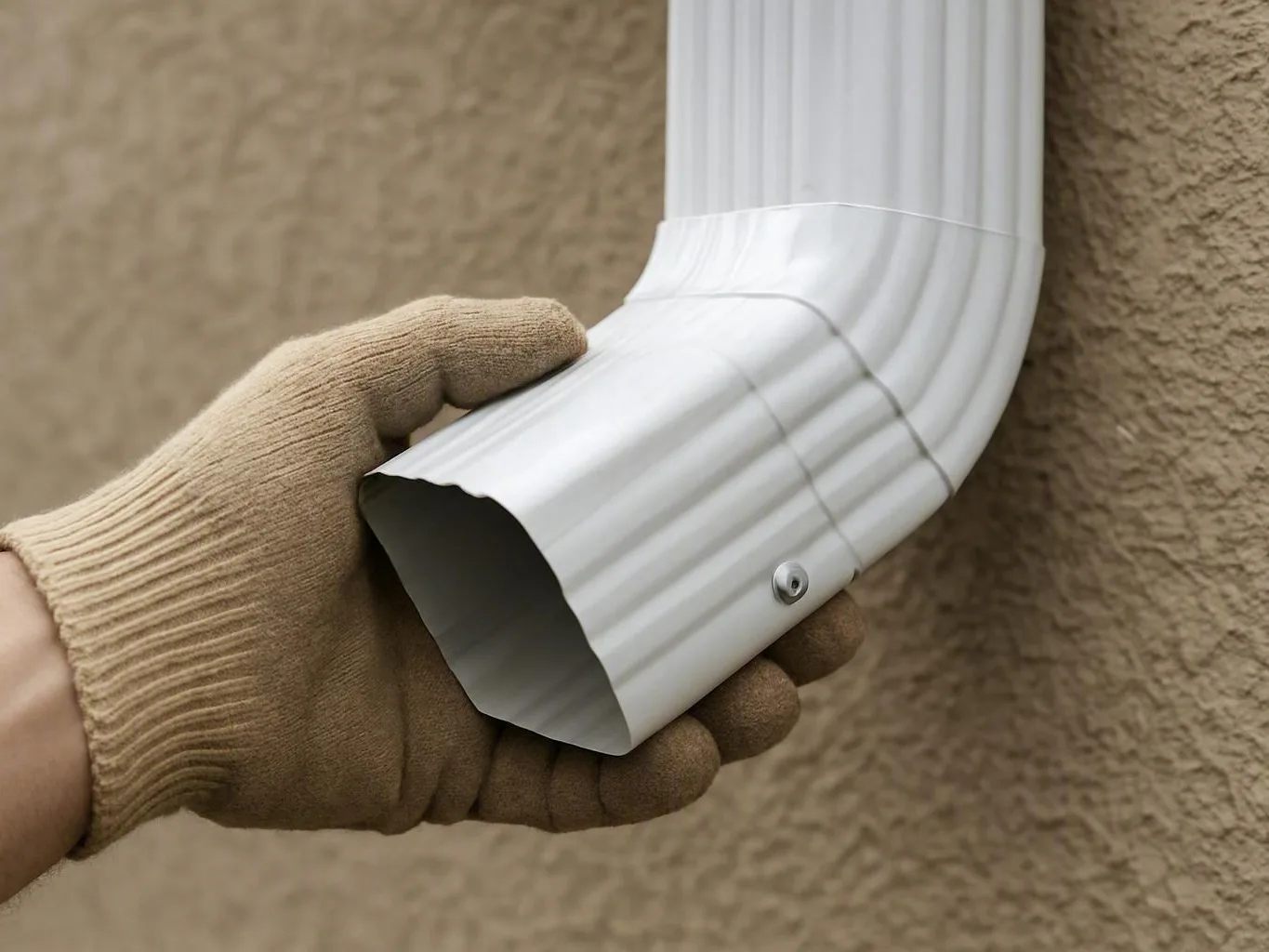
A box gutter can preserve a building's appearance while carrying substantial roof runoff. Its concealed location saves exterior wall space. It also avoids the visual change caused by exposed hanging gutters. The tradeoff is access. A defect may remain hidden until stained ceilings, rotten framing, peeling paint, or damp masonry appear.
Good design protects more than the roof edge. It reduces uncontrolled runoff near foundations, limits saturation at walls, and helps prevent water from entering the building envelope. Material compatibility matters because dissimilar metals can accelerate corrosion at wet joints. A properly detailed drip edge, liner, and outlet connection often determine system life. They can help the system perform for decades or develop recurring leaks.
When Box Gutters Matters Most?
Box gutters deserve close attention during roof replacement, historic restoration, and exterior remodeling. They also need review during investigations of unexplained water damage. A new roof can hide an old trough problem. This can happen if the gutter isn't opened and inspected first. The same concern applies when a building receives insulation, new fascia, solar equipment, or roof slope changes.
Warning signs include rust at seams, blistered coatings, standing water, sagging trim, overflowing during moderate rain, and dark marks below the cornice. Memphis buildings face long periods of heat and intense thunderstorms. Falling leaves and humidity can also stress liners and joints. Evaluation should confirm that overflow can discharge safely if an outlet clogs. Historic work may also require documentation of original materials. It may need approval from a preservation authority.
How to Evaluate Box Gutters?
- Measure the channel width, depth, and slope, then compare outlet capacity with the contributing roof area.
- Inspect the liner for punctures, open seams, corrosion, blistering, and trapped water.
- Check whether flashing directs water into the channel instead of behind the roof edge.
- Look for a safe overflow path that protects walls, ceilings, and structural framing.
- Confirm that liner, flashing, fasteners, and adjacent metals are chemically compatible.
Related Concepts Compared
Box Gutters vs. K-Style Gutters
K-style gutters are exposed gutters fastened to the fascia. Box gutters are built into or behind the roof edge and normally require more concealed structural and waterproofing work.
Box Gutters vs. Half-Round Gutters
Half-round gutters have a visible semicircular channel suspended below the roof edge. Box gutters use a concealed rectangular trough with a generally larger built-in profile.
Box Gutters vs. Scupper
A scupper is an opening that drains water through a parapet or wall. A box gutter may collect water before directing it to a scupper, downspout, or internal drain.
Box Gutters vs. Gutter Apron
A gutter apron is flashing that guides roof runoff into a gutter. It is one component of a drainage assembly, while a box gutter is the complete built-in channel system.
Expert Note
A box gutter should be inspected as part of the roof edge, not as an isolated metal trough. The condition of framing, membrane transitions, outlet connections, and overflow paths often matters more than the visible liner surface.
Common Mistakes or Myths About Box Gutters
- Treating a box gutter as a surface coating instead of a complete waterproof drainage assembly.
- Blocking outlets with leaves, roofing debris, or poorly fitted screens.
- Mixing incompatible metals at wet seams and outlet connections.
- Closing the cornice before testing the liner, joints, and overflow path.
- Replacing the liner without checking rotten framing beneath the gutter.
Box Gutters in Practice: A Real-World Example
A 1920s Memphis brick building has a concealed copper box gutter behind its cornice. During roof work, an inspection finds an open seam near an outlet and decayed wood beneath the liner. The repair includes replacing the damaged base, installing compatible metal, resealing the outlet, and testing the channel before closing the cornice.
Sources & Further Reading on Box Gutters
Related Services
Related Terms
Downspout
Downspout is a vertical pipe that carries water from a gutter to the ground or a…
Flashing
Flashing is thin, water-resistant material installed at roof joints, wall intersections, openings, and edges to direct…
Gutter Slope
Gutter Slope is the slight angle that directs water through a gutter toward a downspout. Installers…
Scupper
Scupper is an opening that carries water through a roof edge, parapet wall, or building wall…
All Pro Roofing and Gutters
Have Questions About Box Gutters?
Contact All Pro Roofing and Gutters for practical guidance on Box Gutters and related gutter installation and gutter guards work in Memphis.