A Practical Guide to Hiring a Gutter Installer in Memphis
Homeowners should choose a gutter installer in Memphis by comparing local experience, licensing and insurance documentation, installation methods, materials, warranties, and references. Ask each contractor about drainage design, gutter size, downspout placement, gutter guards, project timing, cleanup, and payment terms. Confirm that the estimate identifies labor, materials, removal, repairs, and exclusions. Compare companies on scope and proof rather than price alone, and avoid installers who pressure you, provide vague estimates, or cannot explain how the system will handle Memphis rainfall, tree debris, and seasonal weather.
Get a Free Estimate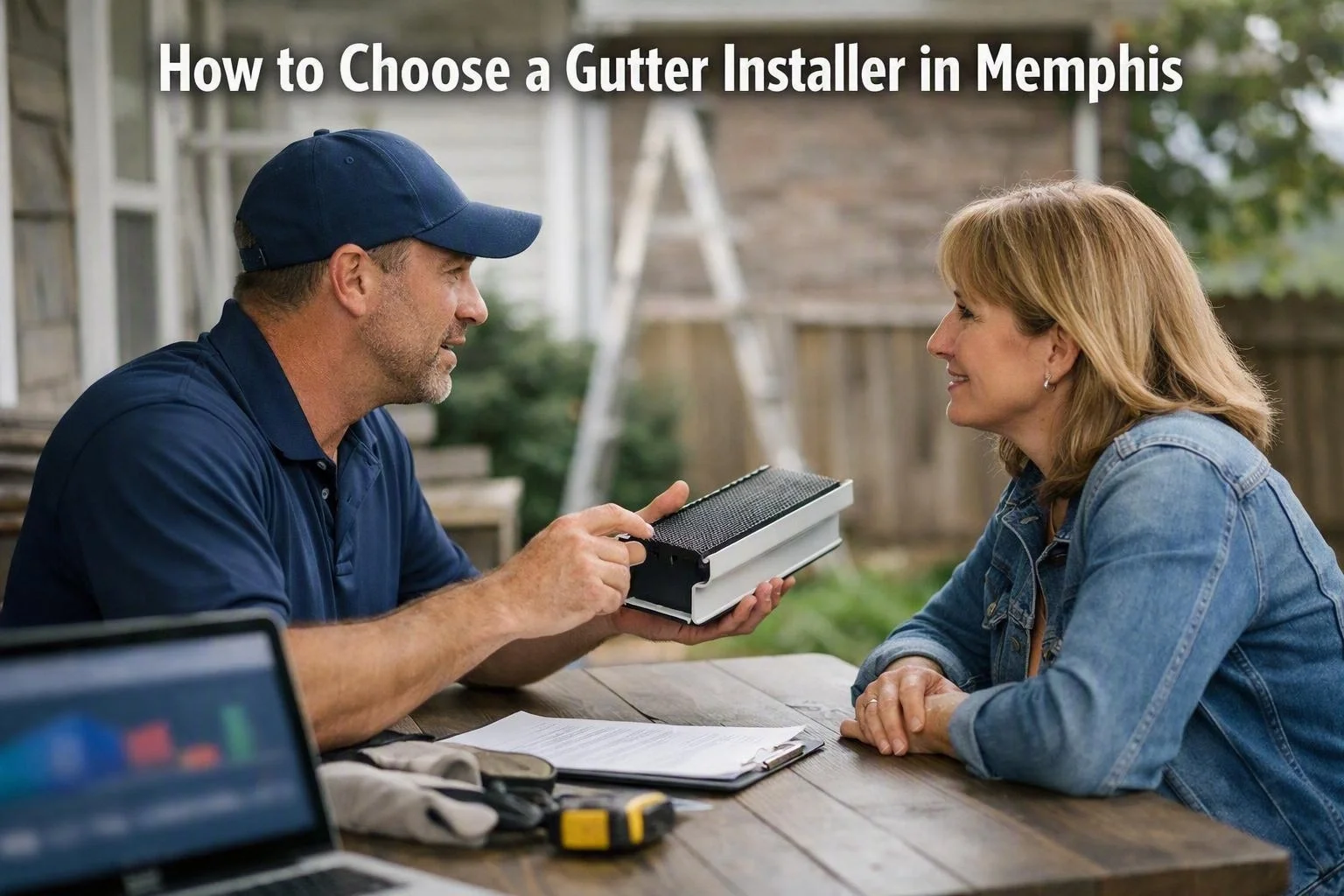
What Makes a Gutter Installer a Good Fit for Your Memphis Home?
A suitable gutter installer evaluates your roofline, drainage needs, property layout, and existing gutter condition before recommending work. For a Memphis home, the contractor should explain how the proposed system handles heavy rain, tree debris, roof runoff, and seasonal maintenance rather than offering a generic package or price.
Local experience matters because homes in Memphis, Tennessee, can have different roof shapes, lot grades, tree cover, and access challenges. Older neighborhoods may have aging fascia boards, settled sections, or previous repairs that affect how new gutters should be fastened. A careful roof drainage assessment should identify where water leaves the roof and where it may collect near foundations, walkways, or landscaping.
Ask whether the company serves your local service area regularly and whether its crews perform inspections before writing a proposal. A good home improvement contractor will explain the system as a whole, including gutter pitch, downspout capacity, stormwater drainage, outlets, hangers, and discharge points. This approach helps prevent overflow and premature wear.
Our team also considers how hot, humid summers and seasonal temperature changes can affect sealants, fasteners, aluminum movement, and routine maintenance. The right plan should be practical for the roof. Not simply based on a standard package. That is what separates a roof drainage service from a quick installation sale.
How Do I Choose a Gutter Installer in Memphis?
Homeowners choose a gutter installer by verifying relevant experience, inspecting prior work, requesting a detailed written estimate, checking insurance and applicable licensing, and comparing installation methods. The right contractor connects gutter size, slope, downspout placement, guards, and maintenance to the home’s roof drainage requirements instead of selling one standard solution.
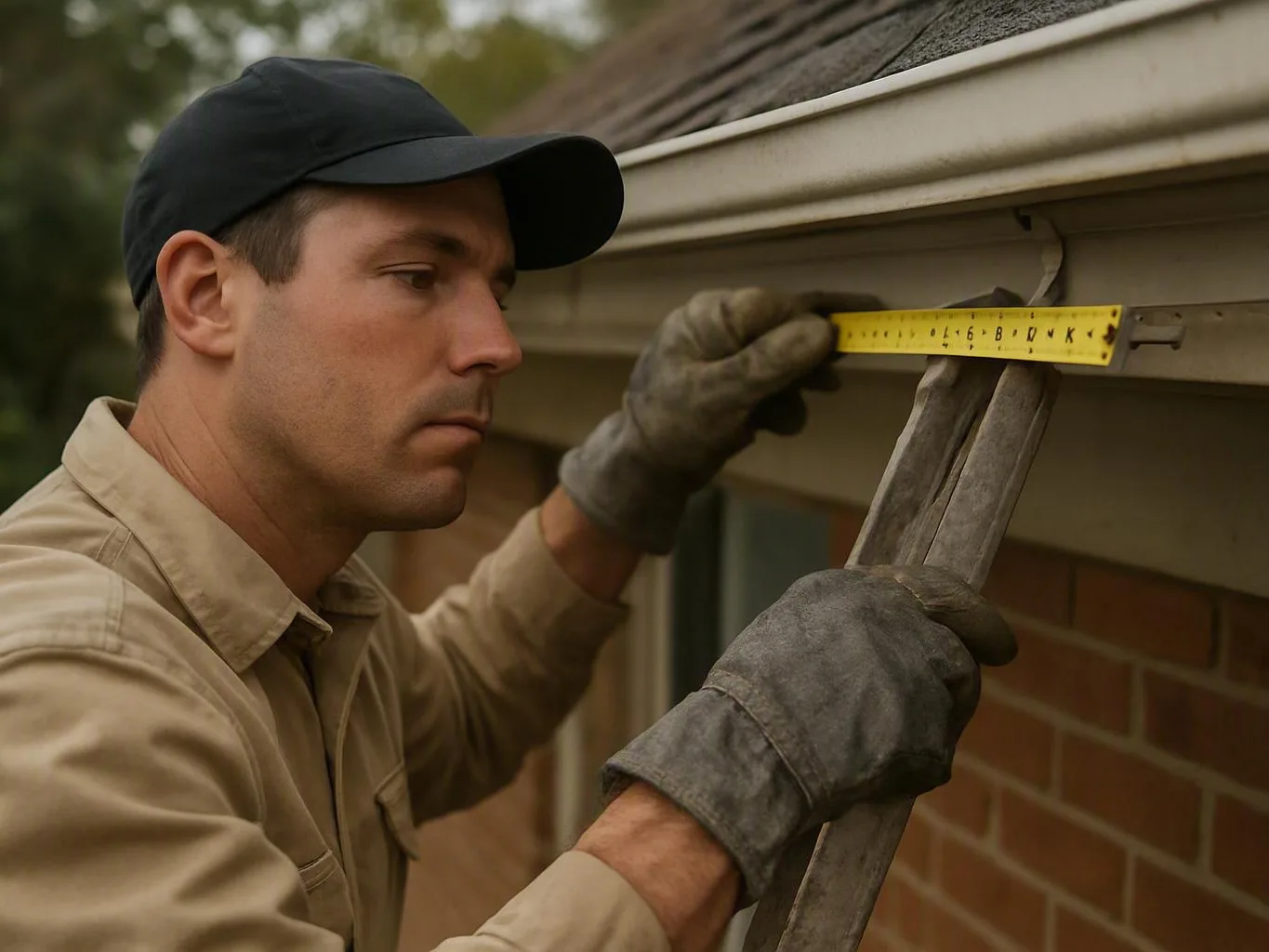
Start by deciding whether you need Gutter Installation, Gutter Replacement, a gutter inspection, or a smaller repair. A site visit should include the roofline, existing aluminum gutters, fascia board, corners, outlets, and downspouts. Ask how the crew will manage concentrated roof runoff during Memphis rainfall and seasonal storms.
Seamless gutters can reduce the number of joints along long runs, but material alone does not solve poor drainage. The contractor should explain the proposed gutter size, gutter pitch, outlet locations, and downspout capacity. Downspout placement should move water away from the foundation and should account for roof sections that collect runoff from more than one plane.
Tree debris is another local concern. Memphis properties with mature trees may need a discussion about leaf accumulation, cleaning access, and whether gutter guards are suitable. Guards can help reduce debris, but they still require inspection and may not work well with every roof slope, shingle type, or rainfall pattern.
Review photos of comparable work and ask for customer references when available. Do not rely only on a low bid. Compare the roof drainage plan, labor, material quality, removal, fascia repairs, guard options, cleanup, and warranty. What we do should be clear from the proposal: assess the home, explain the choices, install the system correctly, and document the finished work.
For a typical residential project, most straightforward jobs take about one to two working days, while larger homes, difficult access, repairs, or removal can extend the schedule. Treat that as a planning range, not a promise. Weather, crew availability, and inspection findings can change the timing.
Should a Gutter Contractor Be Qualified Local?
A gutter contractor should provide proof of applicable Tennessee and local licensing requirements and current insurance before work begins. Ask for a certificate of insurance and clarify whether workers’ compensation applies to the crew. These checks help reduce exposure to property damage, injury claims, incomplete work, and compliance problems.
Tennessee contractor licensing rules can depend on the project scope, contract value, trade, and location. Ask which Tennessee contractor licensing or local business requirements apply to your work, and verify the information with the appropriate authority when needed. A trustworthy contractor should answer without treating the question as an inconvenience.
General liability insurance helps address accidental property damage caused during the work. Request an insurance certificate that comes from the insurer or authorized agent, and confirm that the coverage is current for the project period. The certificate should identify the business and policy dates. It is not the same as a promise that every type of loss is covered.
Ask about workers’ compensation insurance if employees or subcontractors will be on your property. Coverage may protect against certain job-related injury claims, but you should understand who employs the crew and who carries responsibility. Also ask whether subcontractors are used and whether their documentation will be checked.
Licensing and insurance do not prove workmanship by themselves. They are part of a wider review that includes references, written terms, drainage planning, installation methods, and communication. Keep copies of the insurance certificate, contract, estimate, and any local compliance documents with your project records.
What Should Be Included in a Gutter Estimate?
A gutter estimate should identify the gutter material, dimensions, linear footage, downspout locations, accessories, labor, removal, disposal, repairs, cleanup, payment schedule, exclusions, and warranty terms. A detailed estimate lets Memphis homeowners compare the same scope of work and identify whether a low price omits essential drainage or preparation work.
Ask the contractor to put every important promise in writing. The proposal should show how the roofline was measured and how the system will manage heavy rainfall, overflow risk, and stormwater drainage. Local pricing drivers include roof height, access, linear footage, gutter material, downspout changes, removal, fascia repairs, and gutter guards.
| Estimate item | What to confirm |
|---|---|
| Gutter dimensions | Material, profile, gutter size, color, linear footage, and whether runs are seamless |
| Drainage layout | Downspout placement, outlet locations, extensions, discharge points, and expected water flow |
| Preparation | Gutter removal, disposal, fascia board repairs, roofline repairs, and surface preparation |
| Materials and labor | Fasteners, sealants, hangers, labor tasks, crew responsibilities, and approved substitutions |
| Accessories | Gutter guards, splash blocks, extensions, outlets, screens, and attachment methods |
| Completion terms | Cleanup, inspection, payment milestones, exclusions, change orders, and workmanship warranty |
Make sure the written estimate explains what is not included. For example, hidden wood damage, painting, underground drainage, or major fascia replacement may require separate approval. A clear proposal prevents surprises and gives both sides a fair way to handle changes discovered during installation.
How Do I Compare Gutter Installation Companies?
Homeowners compare gutter installation companies by matching their written scopes, materials, drainage plans, warranties, schedules, communication, and proof of prior work. Price matters, but it should be evaluated against gutter dimensions, downspout capacity, removal, fascia repairs, guards, cleanup, and warranty coverage so that quotes represent comparable systems.
Place each proposal side by side and mark differences in scope of work. One company may include removal and disposal while another leaves those tasks to the homeowner. One may recommend larger gutters or extra downspouts because of roof area. While another may offer a smaller system without explaining the reason.
Compare installation methods as well as material quality. Ask how seamless aluminum gutter sections will be formed, how hangers will be spaced, how corners will be sealed, and how the system will attach to sound fascia. A professional should explain how hot, humid summers and seasonal temperature changes affect expansion, sealants, fastening, and maintenance.
Review warranty coverage carefully. A workmanship warranty should state what is covered, how long coverage lasts, and what exclusions apply. Manufacturer coverage for material defects is separate from the installer’s responsibility for pitch, fastening, leaks, and downspout speed.
Customer references can help you learn about communication, schedule changes, cleanup, and follow-up. Ask references about comparable homes rather than seeking general praise. The strongest choice is the company that gives you enough information to understand the system and make a calm, documented decision.
What Questions Should I Ask a Gutter Contractor Before Hiring?
Before hiring a gutter contractorask how the roofline will be assessed, which gutter size and material are recommended, how downspouts will be positioned, whether fascia repairs are needed, who performs the work, what insurance applies, and how the estimate, schedule, cleanup, and warranty will be documented.
Use the answers to test whether the proposal fits your home. A contractor who explains the reasons behind each recommendation is easier to compare with other companies than one who offers only a package price.
Ask for written answers to questions that affect price or speed. This is especially important for homes with mature trees, tall rooflines, limited access, or older materials. Clear answers also make it easier to discuss changes before work begins rather than during an unexpected problem.
What Gutter Installer Red Flags Should Memphis Homeowners Avoid?
Gutter installer red flags include pressure to sign immediately, an unusually vague estimate, refusal to provide insurance documents, unclear workmanship terms, cash-only demands, unexplained changes in scope, and recommendations that ignore roof drainage. Memphis homeowners should pause when a contractor cannot explain materials, downspouts, cleanup, or warranty coverage.
These warning signs matter because gutters are part of the roof drainage system, not just exterior trim. Concentrated roof runoff during Memphis storms can expose weak planning quickly. Tree debris and older neighborhood homes also require inspection before a contractor recommends replacement or guards.
A single concern may deserve clarification, but several together should make you slow down. Request documents, compare another written estimate, and avoid authorizing extra work until the scope and cost are clear.
How Can You Make the Final Gutter Installer Decision?
The final hiring decision should favor the gutter installer that offers a clearly defined scope, appropriate drainage design, verifiable credentials, understandable warranty terms, reliable communication, and a reasonable schedule. Before signing, confirm the contract, materials, payment milestones, cleanup, inspection process, and future maintenance responsibilities in writing.
Review the estimate one last time against the roofline assessment. Make sure the contract identifies the material, gutter size, linear footage, downspout placement, guards, fascia work, removal, disposal, and repairs. It should also explain how changes will be approved and billed.
For Memphis homes, confirm that the plan addresses concentrated roof runoff, seasonal storms, leaf accumulation, and overflow risk. Ask how the system will be checked after installation and whether downspout discharge will move water away from the foundation. If the home is older, verify that fascia condition was included in the inspection.
Discuss maintenance before the crew arrives. Gutter guards can reduce some leaf buildup, but no system removes the need for periodic inspection. Hot, humid summers and temperature changes can affect sealants and fasteners over time, so ask what signs of movement, leaks, or blocked outlets should prompt service.
We can explain the difference between an inspection, repair, replacement, seamless gutters, and Gutter Installation and Gutter Guards when the property needs more than one service. If you choose All Pro Roofing and Gutters, contact us through our contact page to discuss your project and receive next steps.
Keep the signed contract, estimate, insurance certificate, warranty, photos, and final inspection notes. Good records support future maintenance and give you a clear reference if the system needs adjustment after the first heavy rain.
Questions About Gutter Installation and Gutter Guards
How Do I Choose a Gutter Installer?
Check local experience, applicable Tennessee contractor licensing, insurance, references, installation methods, materials, drainage design, written estimates, and warranty terms. Choose the company that explains gutter size, gutter pitch, downspout placement, removal, cleanup, and maintenance instead of focusing only on the lowest bid.
What Questions Should I Ask a Gutter Contractor?
Ask how the roofline will be assessed, what gutter size and material are recommended, how downspouts will handle heavy rain, whether fascia repairs are needed, who performs the work, what insurance applies, how cleanup is handled, and what the project schedule and workmanship warranty include.
What Should Be Included in a Gutter Estimate?
A gutter estimate should list dimensions, material, linear footage, downspout placement, accessories, labor, gutter removal, disposal, fascia repairs, cleanup, payment terms, exclusions, change-order rules, and warranty coverage. It should also explain how the proposed system will manage roof runoff.
How Do I Compare Gutter Installation Companies?
Compare written scopes rather than prices alone. Match gutter dimensions, materials, installation methods, downspout capacity, removal, repairs, guards, cleanup, schedules, customer references, and warranty coverage. A lower quote may omit drainage work or preparation that another company includes.
Should a Gutter Contractor Be Qualified Local?
Yes. Ask the contractor to explain applicable Tennessee and local requirements and provide a current insurance certificate. Confirm general liability insurance and ask whether workers’ compensation applies to the crew. These documents can help reduce risks tied to property damage, injuries, and compliance issues.
How Much Does It Cost to Have Gutters Installed in Memphis?
There is no reliable single price without inspecting the home. Local pricing depends on roof height, access, linear footage, gutter material, gutter size, downspout changes, removal, fascia repairs, and gutter guards.
How Long Does Gutter Installation Usually Take?
Most straightforward residential projects commonly take about one to two working days. Larger rooflines, difficult access, gutter removal, fascia repairs, gutter guards, inspections, and weather can extend the schedule. The contractor should provide a planning window in the written agreement.
Related Resources
How Much Does Gutter Installation Cost in Memphis?
Memphis gutter installation cost
Compared ToShould You Repair or Replace Your Gutters?
gutter repair vs replacement
Compared ToWhich Gutter Guards Work Best for Leaves and Pine Needles?
best gutter guards for pine needles and leaves
How It WorksWhat Happens During a Professional Gutter Inspection?
professional gutter inspection process