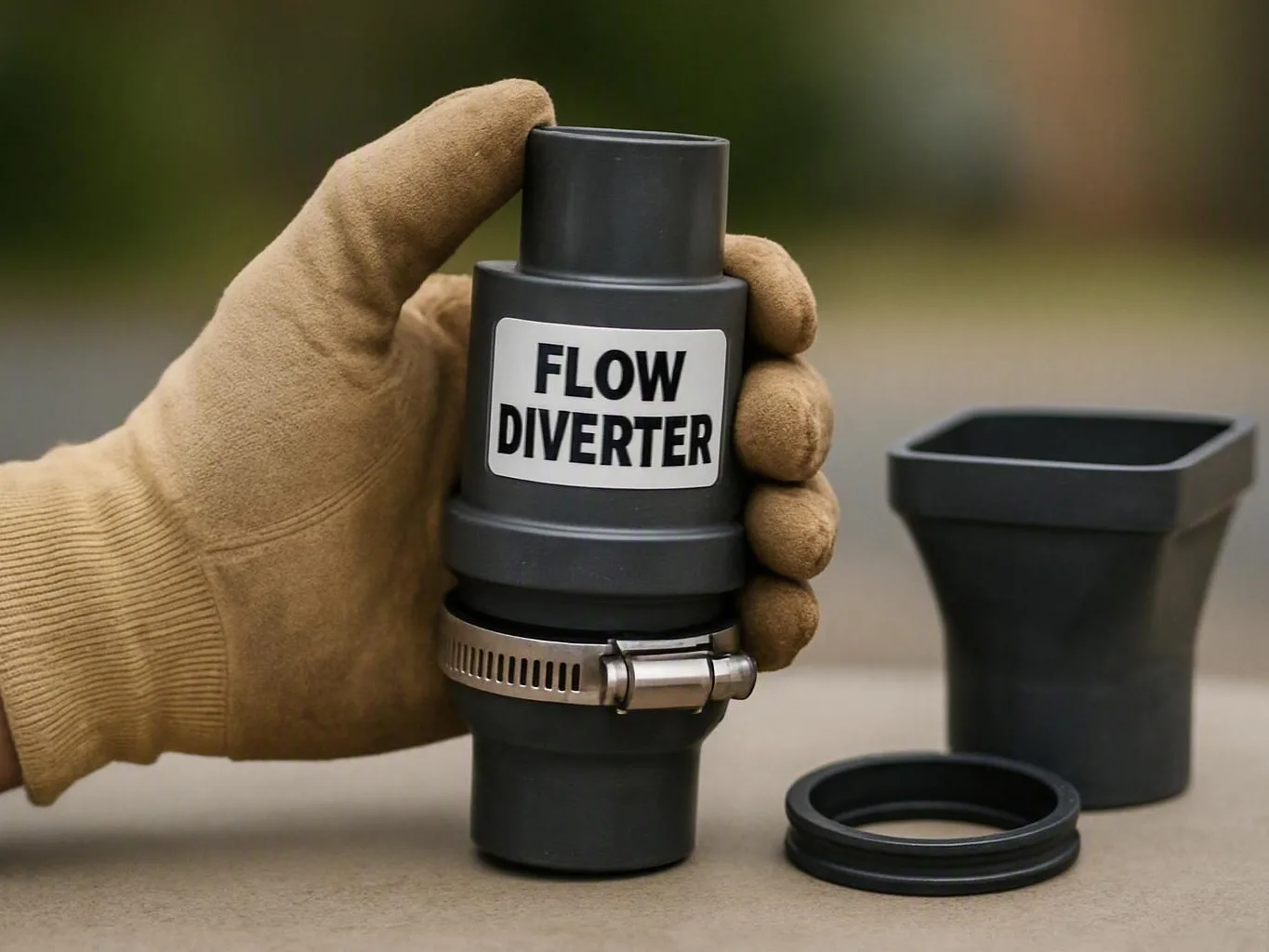
How to Tell When Your Gutter Guards Are Not Working
Gutter guards may not work well when water spills over, gutters sag, or debris stays on the mesh. Water may also drip behind the gutter. Weak downspout flow can signal a problem, too. Guards can collect debris and clog underneath. Loose fasteners, poor slope, damaged sections, and small downspouts can cause failure. Clean the guards and gutters safely. Then check the system for drainage or installation issues. Professional gutter guard cleaning, inspection, or replacement may help if problems continue.
Get a Free EstimateHow Can You Tell if Your Gutter Guards Are Working?
Gutter guards work when rain enters the gutters freely. Water should flow toward clear downspouts. It should leave the home without overflow or leaks. A check after normal rain should show steady flow and straight gutters. It should also show little debris. Ongoing problems mean the system needs cleaning, inspection, or repair.
Watch the roofline during normal rain. Water should pass through the guard. It shouldn't run over the front edge. The gutter should guide water toward each outlet. Downspouts should release a steady stream. Extensions or splash blocks should move water away from the foundation.
Roof pitch and size also affect water flow. A steep or large roof can send much water into one short gutter section. That section may overflow even when the guard is clean. It may need more outlets or larger downspouts. Homes near mature trees also need more checks. Leaves, seeds, pine needles, and roof grit can cover the guard.
All Pro Roofing and Gutters can review these signs during a gutter inspection. Our team checks the guard, slope, seams, fasteners, fascia board, and downspout path. We don't judge the system by the mesh alone. Most homes need a check after heavy storms. A full review also helps during the main debris season.
What Are the Warning Signs Your Gutter Guards Are Not Working?
Gutter overflow may mean the guards aren't working. Rain may spill over the front edge. Debris may cover the guard surface. Gutters may sag or hold water. Water may pool near the foundation. Downspouts may drain slowly. These signs can come from clogged screens, damage, poor slope, loose fasteners, or small downspouts.
One sign doesn't always prove a bad product. Water pooling may come from a downspout extension instead. Check the full path from the roof to the discharge point. This helps separate a guard clog from a larger drainage problem.
Why Are Gutters Overflowing After Gutter Guards Were Installed?
Gutter overflow after guard installation can have several causes. The guard surface may be clogged. The gutter may have poor slope. The guard may limit water entry. Downspouts may not handle the roof runoff. Heavy rain can reveal a drainage system that's too small. A poor guard angle can also send water past the gutter.
Installation changes how water enters the gutter. A solid cover may shed water too fast. Mesh or screens may hold leaves and roof grit. A guard that's too high, low, or angled can send rain past the gutter. Poor overlaps may also send water behind the fascia.
Check the roof pitch and size before blaming the guard. A steep roof can speed up runoff. A wide roof can join water at roof valleys. One downspout may not handle that flow. This is more likely during heavy rain. A gutter inspection can check the pitch, outlets, joints, fasteners, and guard alignment.
Our crews may suggest a small change or added drainage. Cleaning or replacing a damaged section may also help. Gutter Guard Installation in Memphis should fit the roof layout. It should also match the expected runoff. The visible gutter length isn't the only factor.
Do Gutter Guards Need to Be Cleaned?
Gutter guard cleaning is still needed. Leaves, pine needles, moss, roof grit, and other debris can cover the surface. Debris can also collect underneath. Cleaning frequency depends on nearby trees, roof material, weather, and guard design. Cleaning can restore water flow. It can also reveal damage before leaks start.
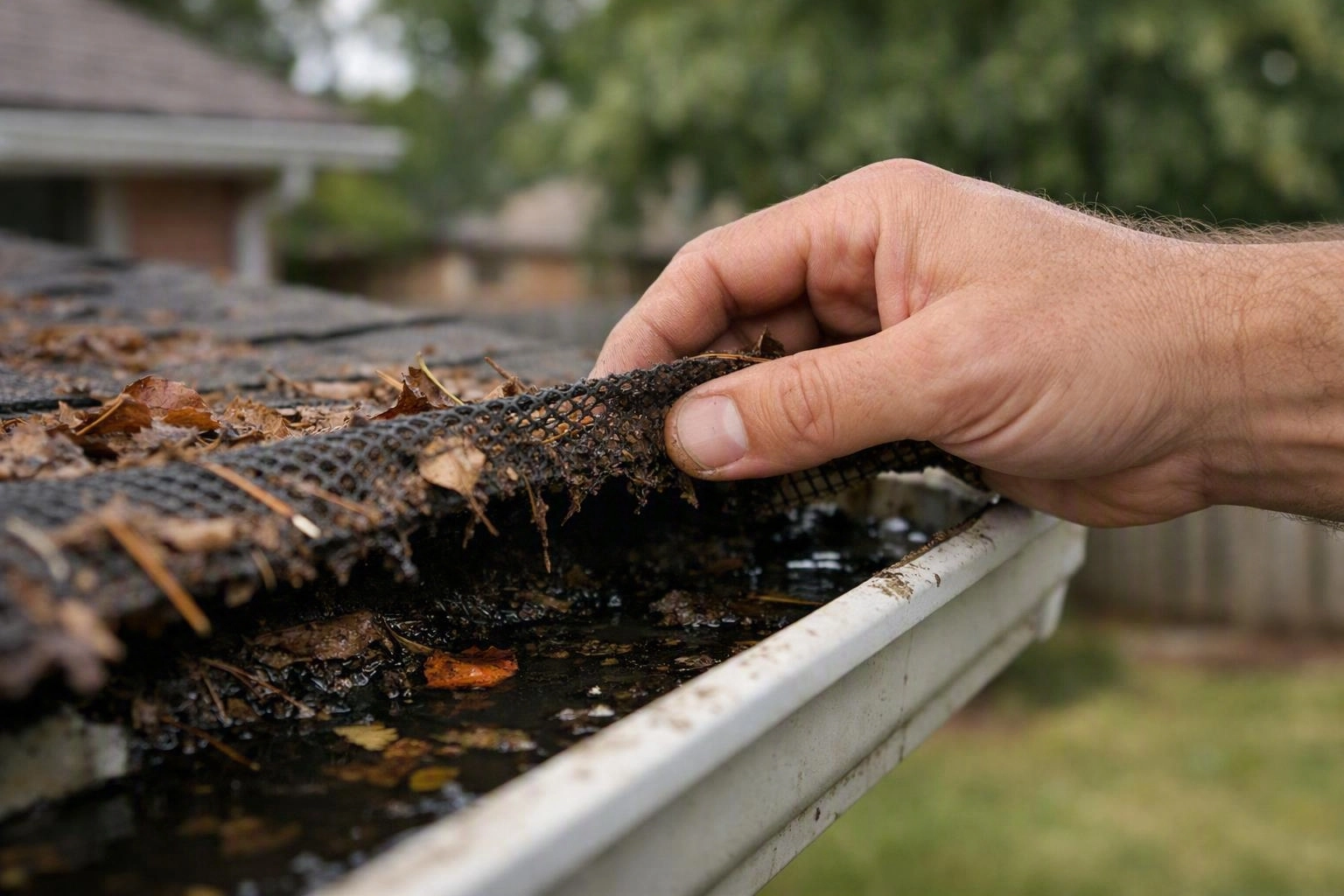
Homes near mature trees need closer attention. Leaves and seeds can form a mat over the guard. Pine needles may lodge at seams or corners. Asphalt shingle grit can wash onto the surface. Micro-mesh systems block very small debris well. That debris can still build up and slow water flow.
Cleaning should remove loose material without bending the screen. It shouldn't tear the mesh or push debris into the gutter. The work should include downspout outlets. It should also include roof valleys with heavy runoff. After cleaning, test the path with water if it's safe. Then check for leaks, loose clips, sagging, or stains.
Many homes need checks during heavy leaf season. A deeper service may help once or twice each year. This range can change with tree cover and storms. Roof grit may also require more service. Our full range of Gutter Installation and Gutter Guards work includes care based on your roof and drainage layout.
Can Gutter Guards Become Clogged Underneath?
Under-guard clogs can form over time. Small leaves, seeds, roof grit, and rotting debris may pass through openings. They may also collect along the guard edge. This hidden buildup limits space inside the gutter. It can cause overflow even when the guard looks clean. A safe inspection may require lifting or removing sections.
Small openings can let fine material through. Wet debris then settles in the water channel. It can become packed over time. A micro-mesh clog or screen blockage can reduce water flow. Light rain may not show the problem. A storm can cause fast overflow.
Look for slow drainage or stains below a seam. Damp areas under the eaves can also signal a clog. Repeated overflow in one section is another warning sign. Don't pry up a fixed guard with sharp tools. Don't force a section that supports the roof edge. Guard removal can damage clips or the gutter lip.
Our team can inspect the trough and clear organic debris. We can also check if the guard needs resetting or replacement. The right repair depends on the material and attachment method. Gutter condition and clog location also matter.
Why Is Water Dripping Behind Gutters with Guards?
Water behind gutters with guards can have several causes. The gutter apron or drip edge may be missing or damaged. The gutter may have pulled away from the fascia board. A guard may also send water behind the gutter. Continued leaks need a prompt inspection.
The drip edge should guide roof water into the gutter. A gutter apron adds protection at the roof edge. If either part stops short, water may reach the fascia board. Wet wood can swell, stain, or rot. Repeated leaks may cause fascia damage.
Guards can hide the source of the leak. A section may press against the roof edge. It may lift the drip edge or leave a gap at a seam. Heavy runoff can then follow the wrong path. Check for damp marks after rain. Don't remove roof-edge parts without proper tools.
Our crews inspect the roof-to-gutter connection. We also check the apron, drip edge, fasteners, slope, and guard fit. Repairs may reset the guard or correct the edge metal. We may also secure the gutter or replace damaged parts. Early repairs can limit moisture near the fascia.
Should You Clean Gutter Guards Yourself or Hire a Professional?
DIY gutter guard cleaning may work for low, easy-to-reach areas. The sections should have light debris. You should also have safe footing. Professional service is better for steep roofs and hidden clogs. It also helps with overflow, damage, leaks, or poor installation. A professional can clean the system and find needed repairs.
Ladder safety should guide your choice. Don't climb onto a wet roof. Don't reach sideways from an unstable ladder. Stay away from power lines. If the guard is high, brittle, or loose, call a professional. Leaking fascia also needs professional gutter inspection. Our crews can check if the Gutter Guard Installation fits the roof and downspouts.
| Factor | DIY | Professional |
|---|---|---|
| Access and ladder safety | Reasonable only for low, stable, easily reached sections and suitable equipment | Better for steep, high, or difficult-to-access rooflines |
| Visible surface debris | Can remove light leaves and twigs without bending the guard | Can clean broader systems and check drainage during service |
| Hidden clogs | May not reveal buildup beneath fixed guard sections | Can inspect concealed channels and identify restricted flow |
| Leaks or overflow | May miss gutter pitch, fascia, apron, or downspout problems | Can assess installation, drainage, and repair requirements |
| Guard damage risk | Requires avoiding pressure, sharp tools, and unsupported sections | Uses methods intended to protect the guard and gutter system |
Light debris on a low roofline may be manageable. Use gentle tools and safe footing. Repeated problems need a trained review. Hidden buildup also calls for professional help. Cleaning can't fix poor slope or small downspouts. It also can't fix a damaged apron or loose fasteners.
Questions About Gutter Installation and Gutter Guards
How Can I Tell if My Gutter Guards Are Working?
Watch the system during moderate rain. Water should enter the gutters and move toward clear downspouts. It should discharge away from the foundation without overflow or leaks. Check for stable alignment and little debris after the storm.
Why Are My Gutters Overflowing After Gutter Guards Were Installed?
Overflow may come from clogged guards or poor gutter slope. Incorrect guard alignment can also cause it. Small downspouts and heavy roof runoff are other causes. A full inspection can find the exact problem.
Do Gutter Guards Need to Be Cleaned?
Yes. Leaves, seeds, pine needles, moss, and roof grit can cover the guard. Debris can also collect underneath. Homes near mature trees often need more checks. Safe cleaning can reveal damage, loose sections, and blocked downspouts.
Why Is Water Dripping Behind Gutters with Guards?
Common causes include a missing or damaged gutter apron. A misaligned drip edge or loose gutter may also cause leaks. A guard may redirect runoff behind the gutter. Continued moisture near the fascia board needs prompt inspection.
Can Gutter Guards Become Clogged Underneath?
Yes. Fine leaves, seeds, roof grit, and rotting debris can pass through openings. They can also collect along the guard edge. This hidden buildup can restrict the gutter. Safe removal or lifting may be needed.
Overflow, leaks, or weak downspout flow may continue after cleaning. Our team can find the cause and explain the next repair or care step.
Related Resources
How Much Does Gutter Installation Cost in Memphis?
Memphis gutter installation cost
Compared ToShould You Repair or Replace Your Gutters?
gutter repair vs replacement
Compared ToWhich Gutter Guards Work Best for Leaves and Pine Needles?
best gutter guards for pine needles and leaves
How It WorksWhat Happens During a Professional Gutter Inspection?
professional gutter inspection process