What Water Behind Your Gutters Can Mean for Your Fascia and Home
Water behind gutters can damage fascia through leaks, overflow, or gutter gaps. Blocked gutters can push water behind the gutter. Poor slope and weak hangers can cause the same problem. Missing flashing can also send water behind the gutter. Early signs include peeling paint and dark stains. Soft wood, mildew, and indoor marks can appear too. A professional gutter inspection can find the source early. Small problems may need simple repairs. Major damage may need gutter replacement or new gutter installation.
Get a Free Estimate
Water behind gutters can cause fascia damage and other moisture problems. All Pro Roofing and Gutters helps homeowners find these issues early.
Heavy rain can reveal problems that stay hidden during dry weather. Roof type, gutter material, pitch, and downspout size affect the cause. These details help us choose the right repair, Gutter Replacement, or new installation.
Why Is Water Running Behind My Gutters?
Water runs behind gutters when runoff misses the gutter channel. Poor slope, loose fasteners, and damaged end caps can cause this. Missing roof flashing can also send water behind the gutter. The moisture then wets the fascia instead of reaching the downspout.
Clogged gutters are a common cause. Leaves and roof grit can block the channel or downspout. During storms, water then rises above the back edge. A gutter with poor pitch can also hold standing water. Even one low spot can strain the gutter joints.
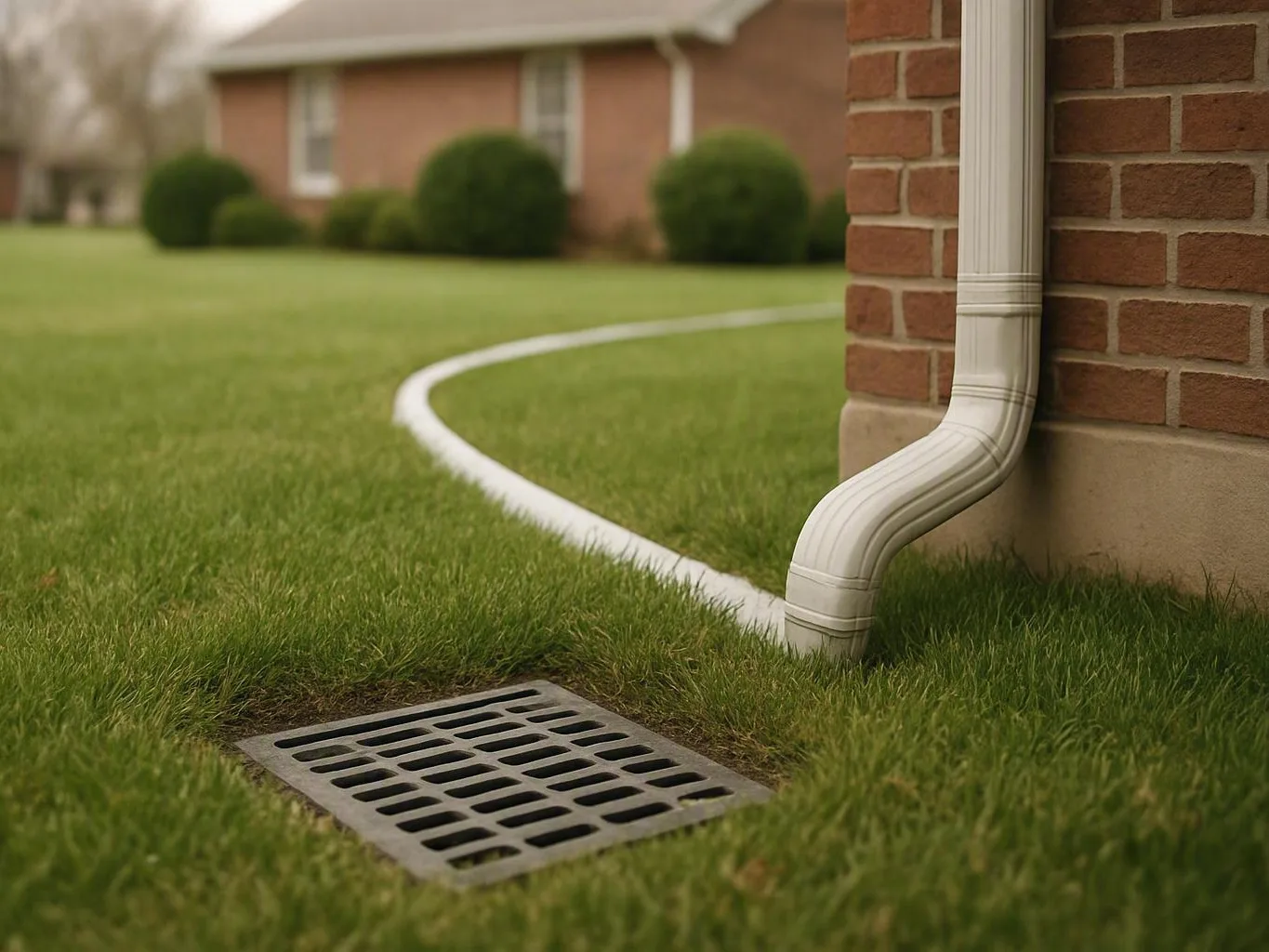
Loose hangers can pull the gutter away from the fascia. This creates a gap for water to enter. Open seams and weak corner seals can cause similar leaks. Roof flashing must also guide water into the gutter. Bent or missing flashing can send runoff behind it.
Gutter material and roof type also matter. Heavy metal gutters need strong support. Thin gutters may bend or rust. Steep roofs can send water down very fast. A narrow gutter or downspout may not handle that flow. We check the full drainage path, not just one leak.
Warning Signs of Water Behind Gutters and Fascia Damage
Fascia damage can show in many ways. Look for peeling paint, dark stains, and soft wood. Mildew, gaps, and sagging gutters are also warning signs. Check after rain near joints, corners, and downspouts.
A ground check can help you spot problems. Don't touch loose trim or climb a wet ladder. Look for these warning signs:
One sign doesn't always prove the cause. Peeling paint may be cosmetic when the wood stays firm and dry. It may also hide decay. Our team checks the gutter, flashing, fascia, soffit, and downspout before suggesting work.
Can Overflowing Gutters Damage the Fascia Board?
Overflowing gutters can damage the fascia board. Repeated runoff soaks the wood behind the gutter. Moisture can cause peeling paint, swelling, decay, and rot. As damage spreads, the gutter may pull away from the roofline.
The fascia board supports the gutter along the roof edge. Wet wood slowly loses strength. Fastener holes may grow larger. Hangers can then loosen and fail. A small drainage issue can become a larger repair.
Clogs, poor pitch, and small gutters can cause overflow. Too few downspouts can also add pressure. Roof shape matters as well. A roof valley can send much water into one short gutter section. Metal gutters may rust at seams. Older painted gutters may fail at joints.
Most damage develops after many wet weather cycles. One short storm usually won't cause major rot. We find the active water path and check the trim. Firm wood may only need a drainage repair. Weak or rotted wood may need fascia repair first.
What Causes Peeling Paint Behind Gutters?
Peeling paint behind gutters often means trapped moisture. Leaks, overflow, poor drainage, or wet wood can cause it. Water breaks the paint's bond with the wood. Repainting won't last unless the water problem gets fixed.
Paint needs a clean and dry surface. Leaking gutters keep the wood damp. The paint may blister, lift, or split. Open joints and fastener holes can let water inside. Poor flashing can add water from above.
Don't treat peeling fascia paint as only a cosmetic problem. Scraping and repainting may hide weak wood or loose hangers. We check for soft areas, stains, mildew, and movement. Repairs may include sealing joints or fixing gutter pitch. Some homes need new trim or better downspout flow.
Getting started with Gutter Installation and Gutter Guards can help with some debris issues. Guards won't fix poor pitch or damaged fascia. We should check the roof edge before adding them.
Can Gutter Problems Cause Water Stains on Walls or Ceilings?
Gutter problems can cause water stains on walls or ceilings. Overflow can wet the roof edge, attic, soffit, or wall. Interior stains may appear below fascia damage. Roof and plumbing leaks must also be ruled out.
Water can travel along framing before showing indoors. A stain may not mark the true entry point. Blocked gutters and loose downspouts can keep the roof edge wet. Poor downspout discharge can cause this too. Missing flashing may send water into the wall.
See if the mark changes after rain. Check for bubbling paint and musty smells. Don't open a wall or ceiling without proper help. Hidden water can affect insulation, wiring, and wood framing.
Basic checks often take 30 to 60 minutes. The time depends on roof access and gutter length. Downspout count also affects the visit. This range is only an example. Our team checks the drainage path and roof edge.
How Can I Tell if the Wood Behind My Gutters Is Rotting?
Rotting fascia wood may feel soft, swollen, crumbly, or hollow. Dark marks, cracks, and fungus can also appear. Loose gutter fasteners are another warning sign. A gutter inspection can find hidden decay behind the gutter.
Wood rot is damage caused by repeated moisture. Early rot may hide under paint or gutters. Advanced rot can split the board near hangers. Don't force a tool into hidden wood. Ladder work near the roof edge can be dangerous.
Soft fascia is more serious when the gutter moves or sags. Look for crumbling fibers and dark bands near fasteners. Check for swollen corners and roofline gaps. Mildew alone doesn't prove rot. It does show that moisture may remain nearby.
Our Gutter Inspection service checks visible attachment points and joints. We also check pitch, downspout flow, flashing, and accessible fascia. Small areas may need new trim and drainage repairs. Widespread damage may need new fascia or gutter replacement. A complete gutter installation may also be needed.
DIY Inspection or Professional Gutter Service: Which Is Safer?
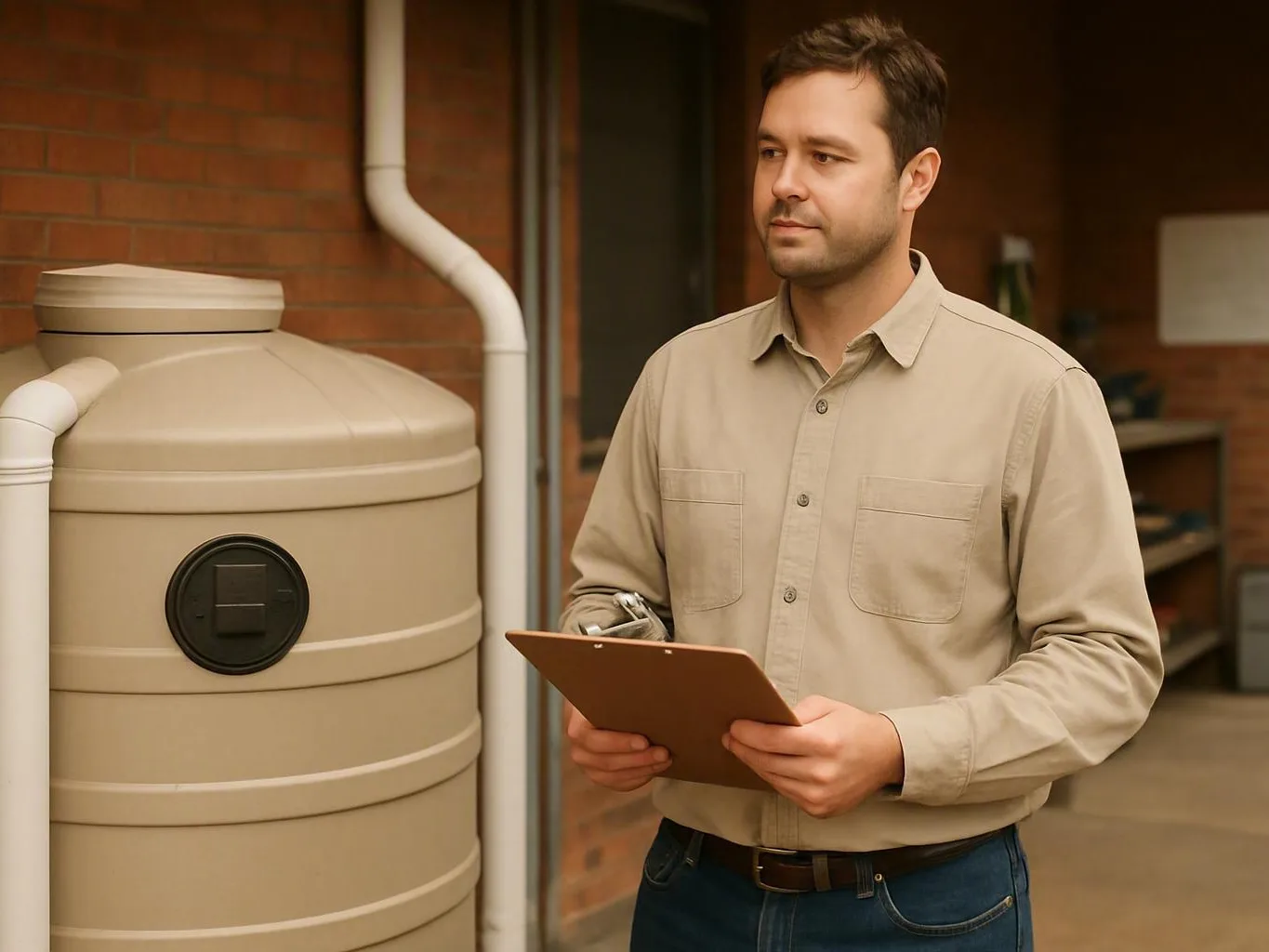
A DIY check can find visible debris, overflow, and peeling paint. Professional service can find hidden fascia damage and drainage problems. Choose professional help when wood feels soft or gutters sag. Help is also wise when ladder work is needed.
You can watch the roofline during light rain from the ground. Note where water spills and whether downspouts flow well. Look for gaps between the gutter and fascia. Don't climb onto the roof. Don't use ladders on wet or uneven ground.
Professional help is safer on steep roofs and high gutters. We can check hidden fascia and roof flashing. We also compare gutter size with roof area and pitch. Hanger spacing and downspout size matter too. These details show if a repair may last.
| Factor | DIY | Professional |
|---|---|---|
| Visible debris and overflow | Can check from the ground during rain. | Can inspect the channel, outlets, and flow path. |
| Ladder safety | Risk rises on wet, steep, or uneven ground. | Trained crews use safer tools and work methods. |
| Fascia assessment | May miss soft wood behind the gutter. | Can check attachment points and hidden decay signs. |
| Drainage diagnosis | May find clogs but miss slope or flashing problems. | Can check pitch, hangers, joints, flashing, and downspouts. |
| Repair or replacement choice | A quick fix may hide a larger problem. | Can suggest repair, gutter replacement, or new installation. |
We provide Gutter Inspection in Memphis for recurring overflow and fascia movement. We also check signs of moisture inside the home. Corroded, sagging, or small gutters may need replacement.
Questions About Gutter Installation and Gutter Guards
Why Is Water Running Behind My Gutters?
Water may run behind gutters because of clogs, poor slope, or loose hangers. Open seams and damaged end caps can also cause leaks. Missing flashing may let runoff wet the fascia, soffit, and roof edge.
Can Overflowing Gutters Damage the Fascia Board?
Yes. Repeated overflow soaks the fascia board and causes peeling paint, swelling, decay, and rot. Loose fasteners may then let the gutter pull away from the roofline.
What Causes Peeling Paint Behind Gutters?
Trapped moisture from leaks, overflow, poor drainage, or wet wood can loosen paint. Repainting without fixing the water source can cause more peeling. It may also hide deeper fascia damage.
Can Gutter Problems Cause Water Stains on Walls or Ceilings?
Yes. Overflow and leaks can wet the roof edge, soffit, attic, or wall. Roof and plumbing leaks should also be ruled out. Water can travel before it shows indoors.
How Can I Tell if the Wood Behind My Gutters Is Rotting?
Rotting wood may feel soft, swollen, crumbly, or hollow. Dark stains, cracks, fungus, and loose fasteners may also appear. A professional inspection is safer when rot hides behind the gutter.
Protect Your Fascia Before Moisture Spreads
Act early when you see overflow, peeling paint, soft trim, mildew, or indoor stains. Our team can find the drainage problem. We can explain if you need a repair, Gutter Replacement, fascia work, or new gutters.
We check the roof edge, fascia, soffit, hangers, joints, flashing, and downspouts. Contact us to plan a safe repair for your home.
Related Resources
How Much Does Gutter Installation Cost in Memphis?
Memphis gutter installation cost
Compared ToShould You Repair or Replace Your Gutters?
gutter repair vs replacement
How It WorksWhat Happens During a Professional Gutter Inspection?
professional gutter inspection process
Who It's ForGutter Guard Types: How to Choose the Best Fit for Your Home
types of gutter guards